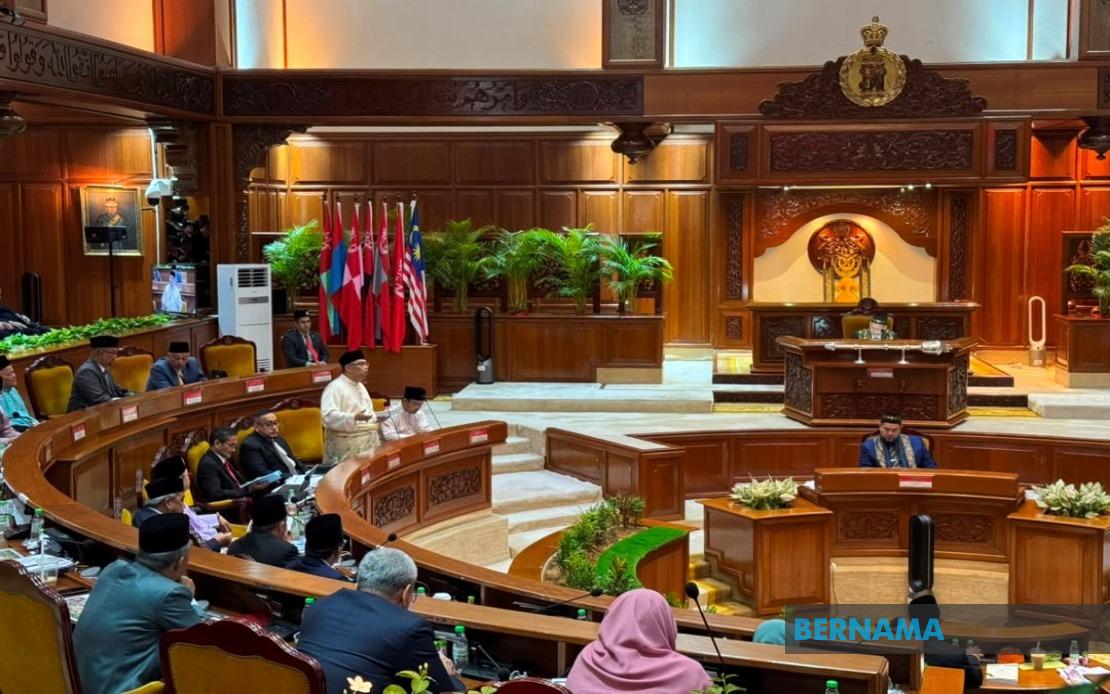
The Kelantan State Legislative Assembly has unanimously passed the Syariah Criminal Offences Bill 2026, marking a significant overhaul of the state's Islamic criminal law framework. The new legislation, which consolidates and strengthens the existing legal structure into a more systematic and authoritative format, introduces several substantial reforms designed to modernise how Syariah offences are addressed in the state. According to Kelantan Deputy Menteri Besar Datuk Dr Mohamed Fadzli Hassan, the Bill represents a comprehensive reimagining of religious law enforcement in the state, balancing rehabilitative approaches with strengthened deterrents.
At the heart of the reform lies the concept of restorative sentencing, a departure from purely punitive measures that reflects evolving thinking about criminal justice across the region. Under this framework, community service emerges as a central mechanism for rehabilitation, with offenders required to complete their full service obligations within a twelve-month period. This approach signals an intention to reintegrate individuals back into society through constructive engagement rather than incarceration alone, potentially addressing concerns about overcrowding in detention facilities while maintaining accountability. The shift toward restorative practices aligns with progressive justice models being explored elsewhere in Southeast Asia, though its application within a Syariah context represents a unique adaptation.
The Bill introduces an expanded system of compoundable offences, granting the Sultan of Kelantan authority to designate which violations can be resolved through settlement mechanisms rather than formal prosecution. This discretionary power, exercised through gazetting procedures, provides flexibility in the criminal justice system and may reduce court congestion. The Sultan's office will determine not only which offences qualify for compounding but also the specific procedures and documentation required, effectively creating an alternative pathway for dispute resolution within the Syariah framework. This flexibility could prove instrumental for minor infractions where rehabilitation and compensation may prove more effective than formal punishment.
Penalty enhancement represents another core element of the legislation, with whipping punishment prioritised for a defined category of serious offences. These include attempted apostasy, parental failure to instil religious values in children, violations of modesty standards, consumption of intoxicating substances, gambling activities, illicit sexual relations, and pregnancies outside matrimonial bonds. The explicit elevation of these penalties indicates legislative intent to strengthen deterrence for offences deemed to undermine Islamic principles and social order. The categorisation reflects contemporary concerns within the state regarding social cohesion and religious observance, though the emphasis on corporal punishment may attract scrutiny from human rights observers and civil society organisations within and beyond Malaysia.
The legislation introduces six novel legal provisions that previously lacked explicit statutory recognition, addressing gaps in the existing framework. The offence of neglecting or abandoning obligatory prayers constitutes a new category of religious dereliction now subject to formal sanction. Two separate clauses distinguish between violations involving private body parts and those concerning other bodily areas, reflecting a nuanced approach to modesty standards. Additionally, the Bill criminalises conduct that damages the intellect through harmful substances or practices, extending religious law into areas affecting mental wellbeing and cognitive function. These additions demonstrate an expansive interpretation of Syariah offences to encompass contemporary concerns beyond traditional categories.
Significantly, the legislation restructures provisions governing compounding authority, introducing Clause 59 to establish a compounding mechanism for Syariah violations and Clause 60 to delineate the powers of relevant authorities in exercising this discretion. This bifurcated approach ensures both that settlement pathways exist and that institutions possess clear legal foundation for employing them. The precision of these clauses suggests legislative effort to prevent arbitrary application and to establish predictable procedures that stakeholders can rely upon, enhancing the rule of law within Kelantan's Syariah system.
The Bill substantially revises the treatment of apostasy-related offences, repealing and re-enacting earlier provisions to strengthen protections for religious observance. Specifically, the legislation improves protections against desecration of places of worship through revised clauses concerning disturbance to Muslim religious spaces, replacing earlier language with more explicit terminology. Similarly, sodomy provisions have undergone restructuring, with earlier prohibitions replaced by broader clauses addressing the obligation to guard private parts and other body areas. This reformulation potentially widens the legal net while attempting to ground offences in explicit religious duties rather than conduct alone.
Protections for places of worship now receive enhanced statutory emphasis, with the Bill replacing previous language regarding destruction and desecration with provisions addressing disturbance to Muslim religious spaces. This linguistic shift may expand interpretations of prohibited conduct beyond physical damage to include disruption, interference with religious activities, or other forms of interference that create disturbance. The expanded scope reflects heightened concern about safeguarding religious spaces and practice, though it simultaneously raises questions about where boundaries lie between genuine protection and potential overreach.
The comprehensive structure of the Bill spans nine distinct parts and incorporates sixty-two clauses alongside supporting schedules, creating an elaborate statutory framework for Syariah criminal law in Kelantan. This architectural complexity represents a movement toward greater specificity and clarity compared to earlier enactments, though it simultaneously introduces opportunities for interpretative disputes and implementation challenges. The organised structure aims to provide practitioners, prosecutors, judges, and the public with transparent guidance regarding applicable offences and penalties, supporting consistent application across the state's Syariah courts.
For Malaysia's broader legal landscape, particularly in states with significant Muslim populations like Selangor, Johor, and Terengganu, Kelantan's legislative approach offers both a model for potential emulation and a cautionary example of how religious law can be reformed. The emphasis on restorative mechanisms and clearer statutory language reflects international trends in criminal justice reform, while the enhanced penalties and expanded offence categories demonstrate continued prioritisation of religious observance enforcement. The practical implementation of these provisions will provide important insights into how modern restorative justice principles can operate within Islamic legal frameworks across Southeast Asia.
Observers within civil society, legal academia, and human rights communities will likely scrutinise how Kelantan enforces these provisions, particularly regarding proportionality of penalties and consistency in applying discretionary compounding authority. The Bill's passage reflects the state government's commitment to comprehensive religious law reform, yet successful implementation requires training of Syariah courts personnel, development of administrative procedures, and establishment of oversight mechanisms to ensure equitable application. The coming months will reveal whether this legislative framework achieves its stated objectives of systematic clarity and strengthened authority while maintaining public confidence in the religious justice system.

