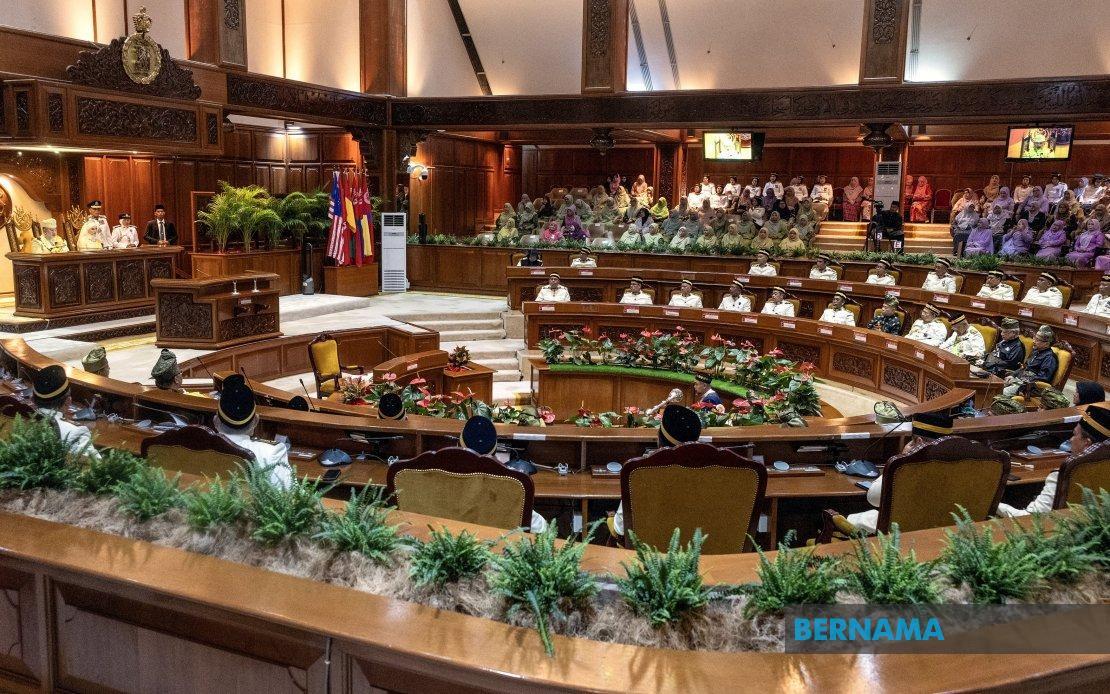
The Kelantan government is preparing to introduce comprehensive legislation that addresses constitutional concerns raised by Malaysia's highest court over state authority in Syariah criminal matters. The Syariah Offences (Kelantan) Bill 2026 will be tabled at the State Legislative Assembly sitting next Tuesday, marking an important step in resolving legal uncertainties that have persisted since the Federal Court's landmark intervention earlier this year. Deputy Menteri Besar Datuk Dr Mohamed Fadzli Hassan confirmed the development following the State Executive Council meeting, signalling the government's commitment to restore Syariah criminal provisions while operating within constitutionally permissible boundaries.
The new Bill represents a direct response to the Federal Court's 8-1 majority decision on February 9, 2024, which declared 16 out of 18 challenged provisions of the Kelantan Syariah Criminal Code (I) Enactment 2019 unconstitutional and null. That landmark judgment, arising from a constitutional challenge filed by lawyer Nik Elin Zurina Nik Abdul Rashid and another party, fundamentally altered the legal landscape governing Syariah criminal law at the state level. The court determined that the Kelantan State Legislative Assembly had exceeded its constitutional authority by enacting offence provisions that fell squarely within federal parliamentary jurisdiction, creating an immediate void in the state's religious criminal framework that has required urgent legislative attention.
The implications of the February 2024 ruling extended well beyond Kelantan's borders, sparking nationwide debate about the delicate constitutional balance between federal and state powers in religious matters. For legal practitioners, religious scholars, and constitutional experts across Malaysia, the decision raised fundamental questions about the scope of state Islamic councils and their legislative reach. The Kelantan government's methodical approach to drafting replacement legislation signals recognition that any new enactment must scrupulously respect the Federal Court's reasoning and constitutional principles, particularly the doctrine of "pith and substance" that examines the true nature and character of legislative provisions rather than merely their stated purpose.
Development of the Bill commenced in mid-2024 following the court's decision, with the government establishing a specialist drafting committee comprising civil lawyers, Syariah law practitioners, constitutional experts, and academic researchers. This multidisciplinary approach reflects the technical complexity of aligning state Syariah legislation with federal constitutional boundaries while maintaining meaningful religious enforcement mechanisms. The committee's composition underscores the seriousness with which Kelantan has approached the task, drawing on diverse expertise to navigate treacherous legal terrain where previous drafting efforts demonstrably failed to respect constitutional limits.
The proposed legislation comprises nine distinct parts containing 62 clauses and one schedule, representing substantially reworked provisions rather than mere technical amendments. According to Mohamed Fadzli, the Bill emphasises religious obligations while incorporating several new provisions alongside reformative measures designed to modernise the state's Syariah criminal framework. This restructuring suggests the government has fundamentally reimagined which offences properly fall within state jurisdiction, likely concentrating on matters of personal religious conduct, family law, and Islamic practice rather than broader criminal categories that properly belong to federal purview.
Before formal tabling, the draft Bill underwent scrutiny from the Kelantan Council of Ulama operating under the Kelantan Islamic Religious and Malay Customs Council (MAIK), ensuring that religious considerations received appropriate weight during the legislative development process. This consultation with Islamic scholars and religious authorities provides theological legitimacy and demonstrates that the government sought to balance constitutional constraints with religious community expectations. Such engagement with traditional Islamic institutions represents standard practice in Malaysia's federal system where state Islamic councils exercise significant advisory functions in religious matters, and their endorsement carries weight with both the legislature and Muslim constituents.
The Federal Court's reasoning in striking down the 2019 provisions focused on identifying which offences properly formed part of the federal criminal law framework rather than matters within state legislative competence. The court's judgment meticulously examined the constitutional allocation of powers, determining that certain offences had characteristics placing them beyond state authority regardless of their religious dimensions. Understanding these constraints, the Kelantan government's drafting committee deliberately structured the new Bill according to the "pith and substance" principle, ensuring that each provision's true character falls within demonstrably state jurisdiction rather than encroaching on federal criminal law powers.
The tabling of this Bill at next week's sitting represents a critical moment for Kelantan's Islamic governance framework, as assemblymen will have opportunity to scrutinise whether the government has adequately addressed the Federal Court's concerns. Deputy Menteri Besar Mohamed Fadzli expressed confidence that assemblymen would support the legislation, reflecting the government's belief that its drafting process sufficiently incorporates the court's grounds and constitutional principles. This expectation of broad support suggests that the substantive content has received extensive behind-the-scenes consultation with legislative members, though formal debate will provide the primary public forum for addressing any remaining concerns.
For the broader Malaysian context, the success of Kelantan's legislative approach will likely influence how other states with Syariah criminal codes approach similar constitutional challenges. The Federal Court's decision has created pressure across the country for state legislatures to review existing Syariah legislation and ensure compliance with constitutional boundaries. If Kelantan successfully enacts legislation that survives constitutional scrutiny while maintaining meaningful religious criminal provisions, other states may use its model as a template for their own revisions. Conversely, if the new Bill faces legal challenges or fails to restore adequate enforcement mechanisms, other states must confront whether Syariah criminal law at the state level remains viable under current constitutional architecture.
The 2024 Federal Court ruling fundamentally established that the constitutional division of powers creates genuine limits on state Syariah legislative authority, rejecting arguments that religious dimensions override structural constitutional constraints. This principle, while potentially troubling to those seeking expansive state-level Islamic governance, reflects the Federal Constitution's carefully calibrated allocation of powers between centre and states. The Kelantan government's decision to work methodically within these constraints rather than challenge them suggests broader acceptance that state-level Islamic institutions must operate within defined constitutional boundaries, even as they seek to preserve meaningful Syariah criminal provisions within those limitations.

