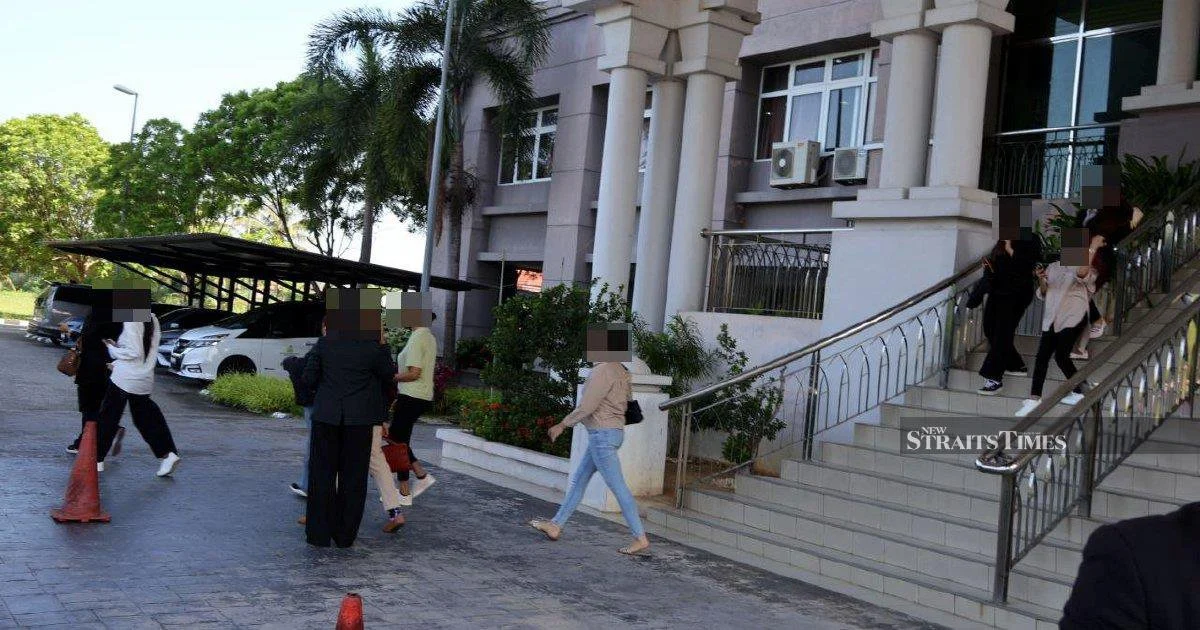
The Syariah Lower Court in Kota Baru has pushed back the trial date for 14 men facing charges related to dressing as women at an apartment along Jalan Mahmood during 2023. The adjournment, announced during proceedings yesterday, means the case will not move forward as initially scheduled, though the specific reasons for the postponement and the new trial date have not been disclosed at this stage.
The case represents one of several high-profile prosecutions in Kelantan under Islamic law in recent years involving alleged breaches of Islamic conduct codes. Such charges have become increasingly visible in Malaysian courts, reflecting heightened enforcement of syariah provisions in Muslim-majority states, particularly Kelantan, which maintains one of the strictest interpretations of Islamic law in the country.
Cross-dressing cases in Malaysia's syariah courts touch on broader questions about personal freedoms, religious law enforcement, and social acceptance. The charges against these 14 men underscore the tension between traditional Islamic jurisprudence and contemporary understandings of gender expression and identity that prevail in cosmopolitan Malaysian society.
Kelantan, under PAS governance since 1990, has historically pursued aggressive enforcement of Islamic law. The state's religious authorities have demonstrated particular commitment to monitoring conduct perceived as contrary to Islamic principles, whether through dress codes, social mixing, or other behavioral standards. This incident-driven prosecution aligns with the state's documented pattern of syariah enforcement activities.
The postponement reflects procedural complexities that often characterize such cases, including potential requests for adjournment from either the prosecution or defense, witness availability issues, or administrative requirements. Syariah courts in Malaysia frequently experience scheduling delays, a phenomenon that can extend trial timelines significantly, particularly when multiple accused parties are involved.
For the 14 defendants, the postponement provides additional time for legal preparation and consultation with their advocates. Such cases, however, often generate substantial public attention and media scrutiny, which can complicate defense strategies and affect the accused's social circumstances during the extended legal process.
From a broader legal perspective, this case illustrates how Malaysian syariah courts operate within a parallel legal system that coexists with civil courts. Syariah jurisdiction in Malaysia extends to personal matters, religious conduct, and moral offenses for Muslim citizens, creating a distinct legal framework that differs significantly from civil law approaches to similar situations.
The incident at the Jalan Mahmood apartment reportedly occurred in 2023, but the case is only now advancing through the courts, indicating delays in investigation, charging, or preliminary court processes that are not uncommon in syariah prosecutions. Such timelines can impact the accused's ability to move forward with their lives pending trial conclusion.
This prosecution arrives amid ongoing regional debates about LGBTQ+ rights and gender expression in Southeast Asia. Malaysia remains one of few democracies retaining colonial-era sodomy laws, and syariah laws in various states criminalize behavior associated with non-conforming gender expression. The case reflects Malaysia's complex legal landscape, where religious and civil law frameworks produce multiple and sometimes competing standards regarding personal conduct.
The court's decision to postpone also raises questions about bail conditions for the defendants during this extended period. Understanding whether the accused have been released on bail, confined, or subject to other restrictions remains important for assessing the practical implications of the adjournment for those involved.
Experts on Malaysian law and Islamic jurisprudence note that cases involving religious law enforcement frequently generate international attention, particularly when they involve charges that some global observers view as infringing on personal freedom. The postponement may allow time for potential legal challenges or requests to transfer jurisdiction to civil courts, though such attempts typically face significant procedural hurdles.
The Kelantan Syariah Lower Court's docket reflects the state's commitment to prosecuting cases classified as breaches of Islamic conduct standards. As the case proceeds through the court system, it will likely continue to attract both domestic and international scrutiny, serving as a focal point for broader conversations about legal pluralism, religious law, and individual rights in contemporary Malaysia.

