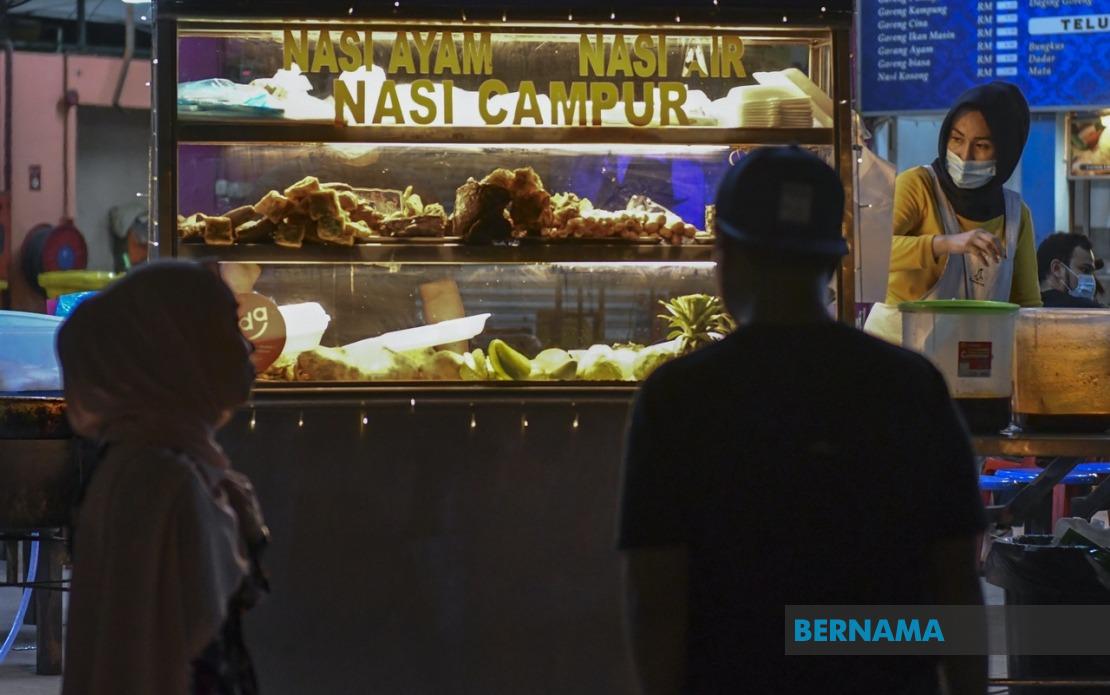
Kelantan's state government has announced plans to strengthen oversight of food establishments following public concerns about the reliability of halal certifications, particularly at premises operated by non-Muslim proprietors. The initiative comes in response to allegations that gained traction on social media platforms, prompting fresh scrutiny of how adequately the state monitors compliance with Islamic dietary requirements. Officials are treating the matter with urgency, recognizing the potential for consumer confidence to erode if such compliance issues persist unchecked across the state's food service sector.
Mohd Asri Mat Daud, who chairs the State Islamic Development, Dakwah, Information and Regional Relations Committee, outlined the government's coordinated approach during remarks to journalists following a halal certification event in Kota Bharu. He emphasized that while allegations have circulated, the state has not yet received formal complaints through official channels. Nevertheless, the administration is conducting initial fact-finding efforts to gather substantive information before determining the scope and nature of any enforcement response. This preliminary phase aims to establish whether the concerns reflect isolated incidents or systemic gaps in the certification and monitoring framework.
The responsibility for inspecting and enforcing halal standards rests with the Kelantan Islamic Religious Affairs Department, an arrangement Mohd Asri acknowledged while committing his office to work closely with the department to coordinate comprehensive investigations. This inter-departmental collaboration reflects recognition that addressing halal compliance requires sustained cooperation between multiple government entities rather than isolated bureaucratic action. The coordination effort signals a determination to move beyond reactive measures toward a more proactive, integrated system of oversight that can identify problems before they undermine public trust in the halal ecosystem.
State authorities made clear their intention to deploy more frequent and rigorous inspections should evidence of non-compliance emerge. Mohd Asri stressed that allowing such infractions to proliferate would be unacceptable and would damage the reputation of Kelantan's food service industry as a whole. The escalation from current baseline inspection frequencies to heightened monitoring represents a tangible commitment to safeguard the interests of Muslim consumers who depend on accurate halal certification as a guide to purchasing decisions that align with their religious principles.
Beyond enforcement mechanisms, officials took the opportunity to remind food business owners of their obligations under Islamic law and commercial ethics. Mohd Asri cautioned proprietors against prioritizing profit margins in ways that compromise adherence to shariah requirements, pointing out that such conduct erodes the trust Muslim customers place in the certification system. This messaging targets the commercial incentives that might otherwise tempt operators to cut corners, emphasizing that short-term financial gains achieved through lax practices carry reputational and potentially legal consequences far outweighing any immediate benefits.
Kelantan authorities also used the occasion to encourage food premises to pursue formal Malaysia's Halal Certification, positioning the credential as a marker of institutional commitment to compliance. The government has set an ambitious target to process certification applications within thirty days, contingent upon the applicant's preparedness and demonstrated adherence to stipulated requirements. This streamlined timeline aims to reduce bureaucratic barriers that might otherwise discourage voluntary certification, particularly among smaller operators who may lack specialized compliance resources. By making certification more accessible and efficient, the state hopes to expand the proportion of establishments operating under verified halal standards.
The underlying controversy emerged when a Facebook user publicly disclosed information questioning the halal certification status of several food premises operated by non-Muslim owners and frequently patronized by Muslim diners. The social media disclosure triggered widespread discussion and prompted diverse reactions across community segments, reflecting deeper anxieties about the reliability of halal oversight mechanisms. The incident underscores how rapidly reputational concerns can propagate through digital channels, and how public confidence in the halal certification regime depends not merely on actual compliance but on the perception that compliance is genuine and comprehensive.
For Malaysian consumers, particularly in Kelantan where Islam is central to the state's identity and governance, the controversy highlights the practical importance of halal certification systems. These mechanisms serve not only religious purposes but also represent a form of consumer protection that assures purchasers of adherence to specific standards. When doubt emerges about the authenticity or rigor of certifications, it creates uncertainty that extends beyond individual premises to affect entire categories of food service providers. The state's response addresses this anxiety by signaling enhanced vigilance and commitment to enforcement.
The situation also reflects broader regional dynamics around halal commerce and certification standards across Southeast Asia. As halal has become both a religious requirement and an increasingly significant commercial and regulatory concern, questions about the integrity of certification processes have surfaced in multiple jurisdictions. Kelantan's effort to strengthen its monitoring infrastructure contributes to regional efforts to establish more robust and credible halal oversight systems that can withstand public scrutiny and maintain consumer confidence. The state's approach suggests a model other regions might consider as they grapple with similar challenges in managing halal compliance in increasingly diverse food service environments.

