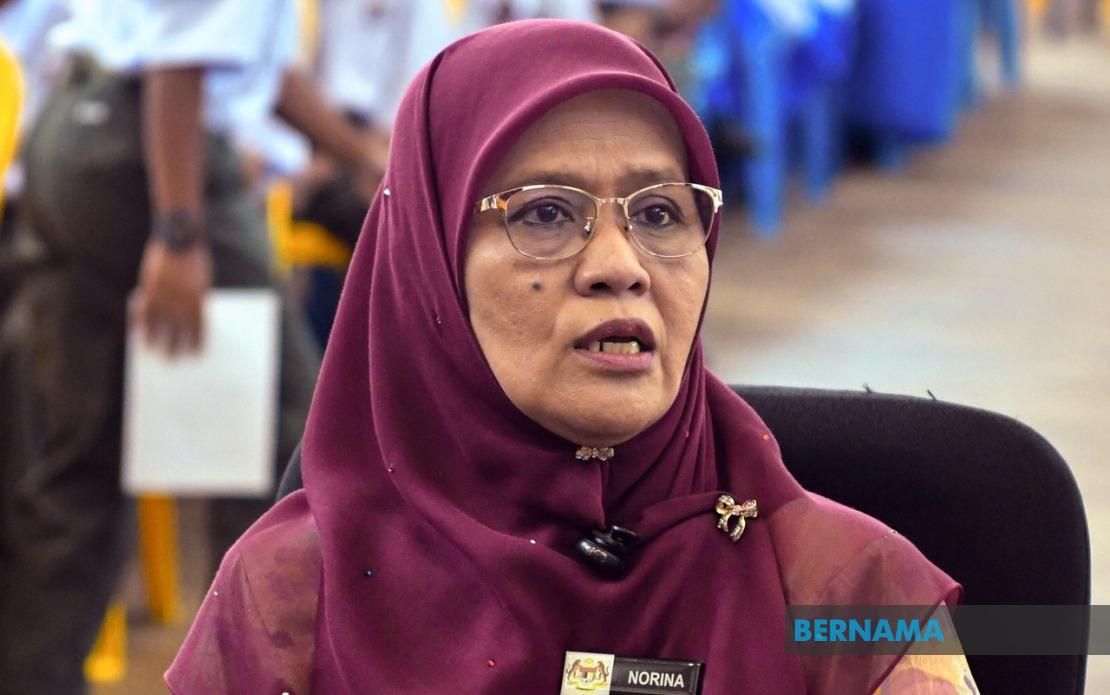
The Kelantan State Education Department has drawn a clear distinction between harmless humour and dangerous behaviour, with its director Siti Norina Muhamad declaring that excessive joking that causes injury to students should be treated as a serious form of bullying. Speaking at the closing ceremony of the Hibiscus Student Safety Campaign in Pasir Puteh on July 21, she emphasized that what might initially appear to be simple pranks or playful banter often masks more sinister conduct that warrants intervention from school authorities.
Siti Norina's intervention addresses a persistent problem in Malaysian schools where the line between acceptable horseplay and actual bullying frequently becomes blurred. Students and even some educators sometimes dismiss physical acts that result in harm as mere jokes, a cultural normalisation that the education official says must change. By explicitly categorising injurious joking as bullying, the Kelantan education department is signalling that the threshold for intervention should be considerably lower than it has been historically, shifting responsibility back onto students to ensure their behaviour remains within safe boundaries.
The Hibiscus Student Safety Campaign, which engaged more than 500 students from seven secondary schools across the Pasir Puteh district, represents one of several ongoing initiatives designed to reshape school safety culture. Rather than treating safety as an isolated concern managed by individual schools, this multi-stakeholder approach reflects a recognition that comprehensive protection requires coordinated effort across government agencies, private corporations, and community organisations. The scale of participation underscores growing awareness among educators that student well-being extends far beyond traditional disciplinary measures.
Critically, Siti Norina expanded the definition of student safety to encompass dimensions often overlooked in conventional approaches. Physical safety, while foundational, now sits alongside emotional, mental, social and digital well-being as interconnected priorities. This holistic framework acknowledges that modern students face threats ranging from cyberbullying and drug abuse to sexual crimes, misinformation and social media exploitation—dangers that cannot be adequately addressed through traditional means alone. The Malaysian education system has increasingly recognised that students require not just protection from harm but also the knowledge and judgment to navigate complex digital and social environments safely.
The emphasis on building safety consciousness from school age rather than waiting until students enter the workforce reflects a strategic shift in how Malaysia approaches protective culture. HSSE Hibiscus Malaysia's Ir Mohd Azwani Abdul Rani articulated this philosophy during the campaign, noting that safety mindsets must be cultivated during formative educational years. This preventive approach suggests that investing in early awareness and habit formation produces longer-term benefits than attempting to remediate unsafe behaviours after they have become entrenched.
For Malaysian readers, particularly parents and educators, this guidance carries immediate implications. Schools in Kelantan and potentially across the country may now be expected to investigate and act upon complaints framed as jokes but resulting in injury with greater urgency. Teachers will need clearer training on distinguishing between acceptable rough-and-tumble play among teenagers and conduct that crosses into bullying territory. The subjective nature of this distinction means that implementation will likely vary across schools, creating potential inconsistencies in how students and parents experience policy enforcement.
The Kelantan initiative also reflects broader regional conversations about school safety in Southeast Asia. Countries across the region have grappled with similar challenges as traditional approaches to student discipline have been questioned and refined. Malaysia's commitment to multidimensional safety—addressing not only physical injuries but also psychological and digital threats—positions it alongside other regional education systems attempting to create genuinely protective environments rather than simply punitive ones.
Implementing this guidance effectively requires genuine buy-in from students themselves, not merely compliance imposed from above. When peer groups understand that certain behaviours, regardless of their framing as jokes, will be taken seriously, social norms begin to shift. The involvement of student bodies in safety campaigns, as evidenced by the 500 students participating in the Pasir Puteh closing ceremony, suggests recognition that sustainable change emerges when young people become active participants in reshaping school culture rather than passive recipients of directives.
The corporate sector's involvement in this initiative, through HSSE Hibiscus Malaysia's corporate social responsibility programming, demonstrates that student safety has become a concern extending beyond government and educational institutions. Private companies increasingly view investment in community well-being, particularly youth development, as both a moral imperative and a long-term strategic interest. This partnership model could provide additional resources and expertise to schools that might otherwise lack specialised support for comprehensive safety programming.
However, Kelantan's declaration also raises practical questions about enforcement and consistency. How will schools distinguish between injury-causing jokes and legitimate accidents during normal adolescent play? What training will teachers receive to make these nuanced determinations? Will guidelines be standardised across the state or adapted to individual school contexts? These implementation details will significantly affect whether the directive represents genuine progress or merely adds another layer of bureaucratic language to existing problems.
The warning also carries implications for student mental health and social dynamics. If excessive joking becomes subject to formal investigation and discipline, schools must ensure that the process itself does not become traumatic or create a climate of fear and suspicion among peers. Adolescents navigating complex social hierarchies need environments where they can develop appropriate social skills, including humour and playful interaction, without constant fear of punishment for missteps.
Ultimately, Kelantan's stance reflects a maturing education system willing to explicitly name and address conduct that previous generations might have dismissed as harmless. By elevating the status of this issue to the level of state education policy, Malaysian authorities acknowledge that student safety requires constant vigilance and regular recalibration as school environments evolve. The question now centres on whether this recognition translates into practical, equitable implementation that genuinely protects students while preserving the social learning essential to adolescent development.

