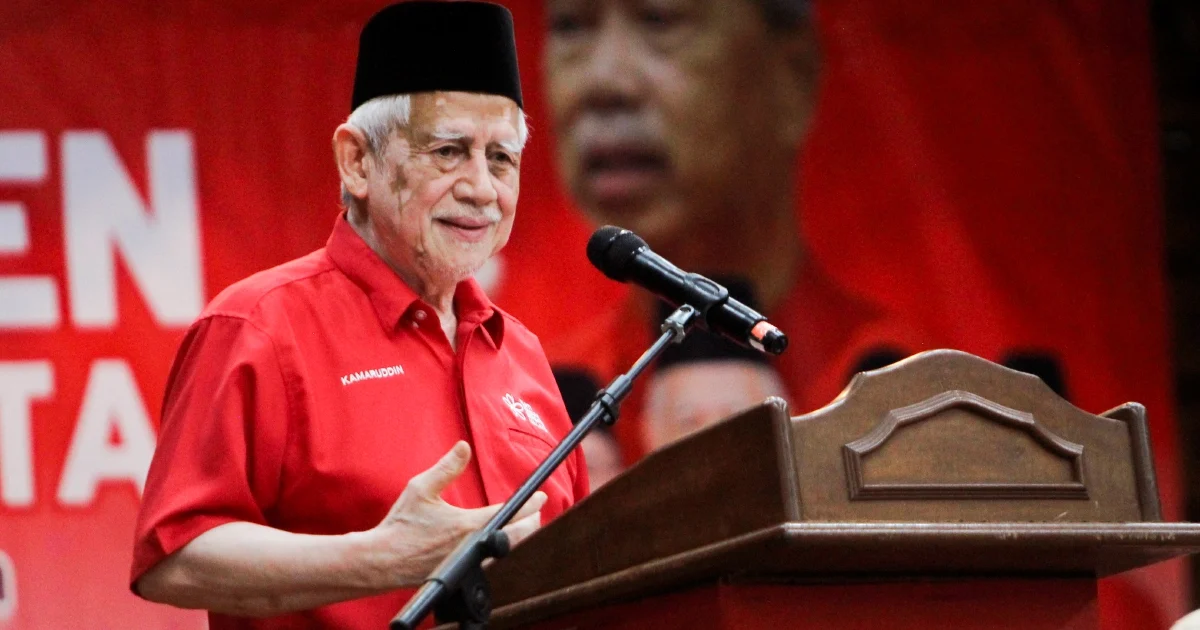
The Kelantan state chapter of Bersatu has indicated it anticipated the Perikatan Nasional coalition's move to remove two prominent figures from its organisational hierarchy. The rejig, which saw Datuk Seri Mohamed Azmin Ali and Datuk Dr Mohd Radzi Md Jidin stripped of senior positions within the bloc, drew muted response from the state-level party membership, underscoring internal expectations that such manoeuvres were inevitable within the volatile coalition.
The announcement represents another chapter in the fluid political landscape that has characterised Malaysia's national administration following the 2022 general election. Perikatan Nasional, which consolidated conservative and Islamist parties under a single banner, has faced persistent questions about its internal cohesion and the role of individual members within its organisational structure. The removal of Azmin and Radzi signals continued consolidation efforts at the national level, even as constituent parties maintain nominal autonomy in state-level operations.
Kelantan's Bersatu apparatus, which operates within the heavily Muslim state that has long been a stronghold of Islamist politics, appears to have viewed the leadership changes as routine recalibration rather than crisis. The state chapter's muted response suggests internal communications may have preceded the public announcement, or alternatively, that Kelantan's Bersatu members recognised the shift as part of broader coalition mathematics rather than a destabilising rupture. This posture reflects the pragmatic calculus that defines coalition politics across Malaysia, where state and federal interests frequently diverge.
The implications for national coalition stability remain uncertain. Both Azmin and Radzi have held significant positions within their respective party structures and in previous federal administrations, lending weight to their removal from formal leadership designations. For observers tracking Perikatan Nasional's internal dynamics, the move signals either consolidation around remaining figures or potential friction requiring personnel reshuffling to maintain cohesion before the next electoral cycle.
Azmin, whose political career has spanned multiple parties and witnessed several high-profile shifts in allegiance, has remained a contested figure within Malaysian politics. His removal from formal PN structures may reflect broader concerns about leadership concentration or attempts to strengthen factional alignments within the coalition. Similarly, Radzi's exit from the leadership line-up removes another familiar name from PN's public-facing hierarchy, potentially streamlining messaging and reducing potential internal contradictions.
For Kelantan specifically, the changes hold limited immediate consequence given that state-level politics remain dominated by Pas, the Islamic Party of Malaysia, which has maintained a stranglehold on the Menteri Besar office and state assembly for decades. Bersatu's presence in the state, while growing, remains comparatively peripheral to Pas's dominance. The casual reception afforded to Azmin and Radzi's removal thus reflects this secondary position; state-level Bersatu apparatus faces no immediate pressure from the alterations to national party hierarchy.
The broader context involves Perikatan Nasional's attempt to consolidate authority and present a unified front ahead of anticipated political shifts. Coalition formations in Malaysia have historically proven fragile, with parties frequently shifting allegiances based on electoral calculations and personalised rivalries. The recent reshuffling may constitute preventive maintenance, ensuring that ambitious individuals do not accumulate sufficient institutional position to challenge collective decision-making or threaten coalition stability through unexpected defections.
For Malaysian political observers and Southeast Asian analysts monitoring federal dynamics, such movements warrant attention as early indicators of coalition confidence and internal power distribution. The fact that Kelantan Bersatu deemed the changes sufficiently anticipated to merit minimal public comment suggests either sophisticated internal intelligence networks or pragmatic acceptance that such organisational rearrangements form routine aspects of Malaysian coalition politics. Either interpretation points toward relatively stable internal conditions within the state chapter, despite potential turbulence at national levels.
The decision to publicly announce leadership adjustments rather than quietly implementing them also carries significance. Public announcements allow coalition partners to demonstrate decisiveness and reassure supporters of active management, while simultaneously signalling to potential challengers that internal discipline remains intact. Kelantan Bersatu's acceptance of this narrative, reflected in their composed response, effectively validates PN's assertion that the changes represent routine optimisation rather than factional crisis requiring external mediation.
Looking ahead, the trajectory of both Azmin and Radzi within Perikatan Nasional structures remains unclear. Their removal from formal leadership positions need not constitute permanent exile from political influence, particularly if they maintain support within their respective party divisions or constituency associations. Malaysian politics frequently witnesses latter-career rehabilitations and strategic redeployments that restore previously sidelined figures to prominence, suggesting that this episode may represent a temporary repositioning rather than final rupture.
The episode also underscores persistent questions about coalition governance and whether Perikatan Nasional's constituent parties genuinely operate as autonomous units or function primarily as extensions of federal-level decision-making. Kelantan Bersatu's response suggests the latter dynamic predominates, at least in matters touching national-level party hierarchy. This centralisation of authority, typical of Malaysian coalition structures, facilitates coordinated action but potentially limits state-level autonomy and responsiveness to local concerns.


%22%2F%3E%3C%2Fpattern%3E%3C%2Fdefs%3E%3Crect%20width%3D%22100%25%22%20height%3D%22100%25%22%20fill%3D%22url(%23ph2dfp0g)%22%2F%3E%3Crect%20width%3D%22100%25%22%20height%3D%22100%25%22%20fill%3D%22url(%23ph2dfp0p)%22%2F%3E%3Ctext%20x%3D%2250%25%22%20y%3D%2250%25%22%20text-anchor%3D%22middle%22%20dominant-baseline%3D%22central%22%20fill%3D%22rgba(255%2C255%2C255%2C0.95)%22%20font-family%3D%22Georgia%2C%20'Times%20New%20Roman'%2C%20serif%22%20font-weight%3D%22700%22%20font-size%3D%22272%22%20letter-spacing%3D%22-0.02em%22%3EPerak%3C%2Ftext%3E%3C%2Fsvg%3E)