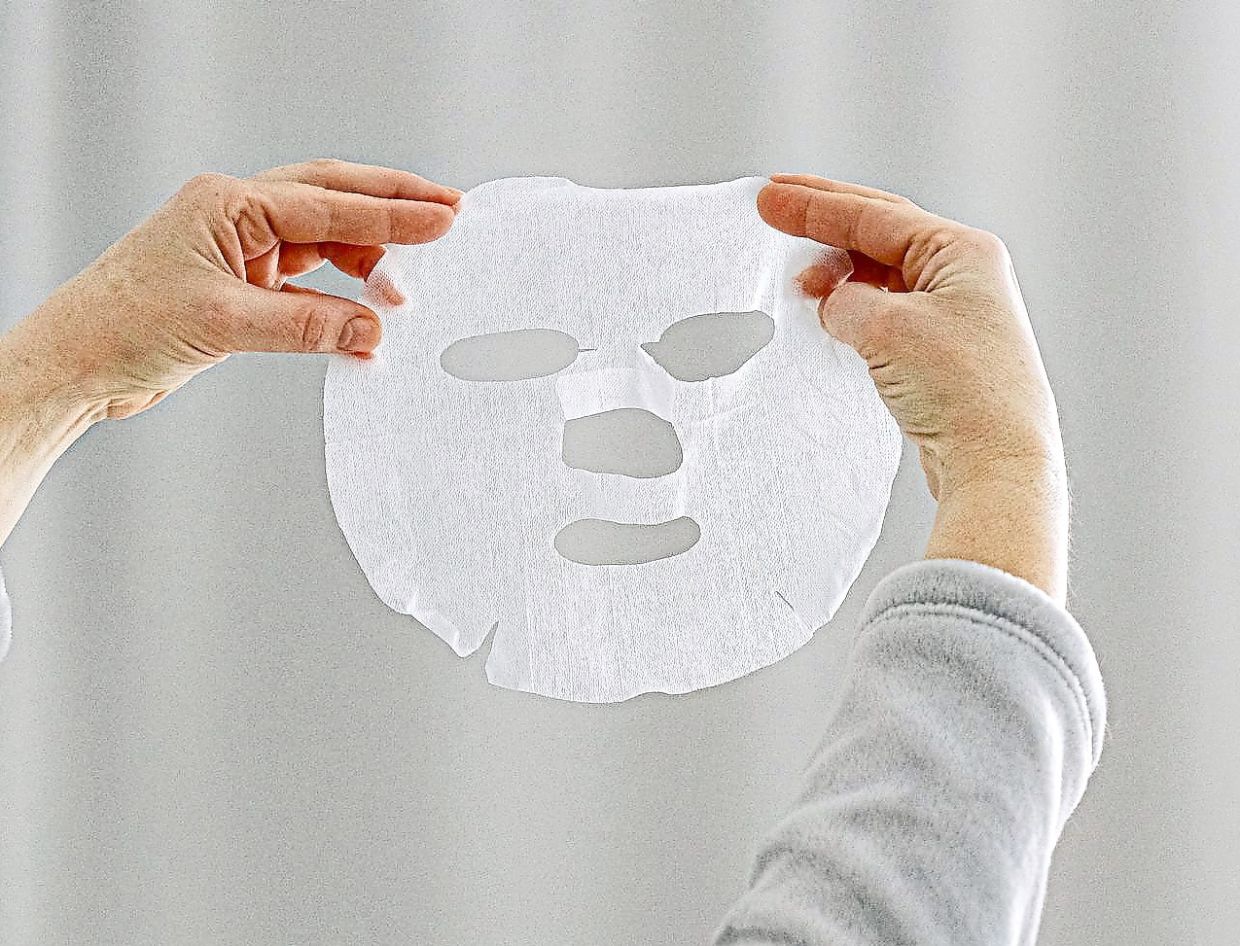
The dry cabin air at cruising altitude represents one of the harshest environments your skin will encounter, with humidity levels plummeting to just 10-20 per cent compared to the typical 40-60 per cent found on ground level. This dramatic shift creates what dermatologists call transepidermal water loss, a process where moisture evaporates rapidly from the skin's outer layers, leaving passengers with tightness, dullness and a noticeably dehydrated complexion by landing. For travellers making the journey between Southeast Asian hubs and distant destinations, understanding the mechanics of in-flight skin damage becomes increasingly relevant, particularly given the region's already humid tropical climate making the transition to cabin conditions even more pronounced.
According to dermatological experts, the impact of cabin conditions intensifies significantly on long-haul journeys where passengers spend 10 or more hours in this moisture-depleted environment. While short regional flights may cause minimal visible damage, international routes to Europe, North America or Australia expose skin to sustained dehydration stress. The timing and duration of exposure matter considerably—a five-hour flight to Bangkok differs markedly from a 14-hour journey to London in terms of cumulative skin stress. This distinction proves important for Malaysian and regional travellers who frequently undertake extended journeys across multiple time zones.
The foundation of effective in-flight skincare begins before boarding, not during the flight itself. Dermatologists emphasise the importance of preparing skin in an optimal condition, comparing the approach to any significant event requiring your best appearance. This preparatory phase involves strategically adjusting your skincare regimen in the days preceding travel. The key is eliminating ingredients that actively strip or compromise the skin barrier during precisely the period when your skin faces maximum vulnerability to moisture loss.
One critical recommendation involves removing active skincare ingredients from your pre-flight routine. Products containing alpha-hydroxy acids, beta-hydroxy acids and retinol should be discontinued 24 to 48 hours before travel, as these powerful exfoliating and resurfacing compounds will exacerbate dryness rather than provide benefit in cabin conditions. Counterintuitively, even those with naturally oily skin should prioritise moisture over oil control during flight, since the cabin environment presents a fundamentally different challenge where dehydration poses a greater threat to skin health than excess sebum production.
The elaborate multi-step skincare routines showcased across social media platforms—while visually compelling—often create more problems than solutions in the aircraft setting. Beyond the aesthetic concerns, the practical reality of applying numerous products in an aeroplane involves hygiene considerations that make simplicity a virtue. Dermatologists advocate for streamlined routines consisting of just three essential elements: a cleansing step using micellar water applied with disposable pads rather than traditional washing, a hydrating serum to replenish water content, and a protective moisturiser to seal in that hydration. This minimalist approach acknowledges both the reality of in-flight conditions and the sanitary limitations of aircraft lavatories.
Humectants—substances that actively attract and retain moisture—form the cornerstone of effective in-flight hydration. Glycerin and hyaluronic acid represent the most established humectants, with decades of dermatological research confirming their efficacy in drawing moisture into the skin. Panthenol offers similar benefits, functioning as a multifaceted moisturising agent that enhances skin barrier function. Emerging ingredients like ectoin show promise in providing both hydration and anti-inflammatory benefits, though dermatologists stress that virtually any moisturiser provides measurable benefit compared to applying nothing at all. The critical factor involves consistent application rather than selecting the theoretically perfect product.
Sunscreen protection demands specific attention during daytime flights, particularly for routes crossing significant distances where UV exposure becomes more intense at altitude. While some passengers defer sun protection until landing, applying SPF before departure and reapplying every four to five hours throughout the flight provides optimal protection. This proves especially important for travellers heading to sunny destinations after disembarking, as the cumulative effect of high-altitude sun exposure combined with immediate exposure to equatorial sun can overwhelm compromised, dehydrated skin.
Internal hydration contributes equally to external skincare during flight, with water consumption serving as a fundamental component of any comprehensive in-flight skin strategy. Simultaneously, avoiding alcohol and salty snacks prevents additional moisture depletion, as both substances trigger increased transepidermal water loss. The combination of external moisturising products applied to skin paired with deliberate dietary choices during flight creates a synergistic effect that substantially reduces visible dehydration by arrival.
One widely used product deserves explicit avoidance: makeup removal wipes. Despite their convenience and ubiquity in travel kits, these wipes actively increase moisture loss from the skin through their drying formulation and the friction involved in application. Instead, micellar water applied gently with reusable or disposable pads provides effective cleansing without compromising the skin barrier. Similarly, minimising makeup application during flight prevents congestion and reduces the need for aggressive cleansing products that exacerbate dryness.
Post-flight skincare proves equally important as the in-flight regimen itself. Upon arrival, continuing the emphasis on hydration and barrier protection for 24 to 48 hours allows skin to recover from cabin exposure. Reintroducing active ingredients should occur gradually and only after skin has returned to its baseline hydration level. For Malaysian travellers returning from overseas, this recovery period remains critical before resuming normal skincare routines, particularly given the adjustment required when transitioning from cabin conditions back to tropical humidity.
The broader implication for regional business travellers, holiday-makers and expatriates centres on recognising that in-flight skin degradation represents a manageable, preventable concern rather than an inevitable consequence of air travel. By implementing science-backed strategies that prioritise hydration over complexity, maintaining consistency with moisturising products, and avoiding actively harmful practices, passengers can arrive at their destinations with skin in substantially better condition than they would otherwise experience. This approach acknowledges the physiological realities of cabin conditions while working within the practical constraints of air travel.

