The soil beneath your garden bed harbours far more than just nutrients and beneficial microorganisms. Invisible plastic particles are accumulating in gardens across the region, entering the food chain through crops and leaching into groundwater in ways that pose long-term environmental risks. These microplastics originate from the very tools and materials gardeners rely on—plastic seed trays, synthetic pots, weed barriers and plant supports—making the pursuit of garden health inadvertently part of the pollution problem.
Microplastics have become an inescapable feature of modern life. These tiny fragments, generated when larger plastic items break down over time, have been documented in drinking water supplies, agricultural produce, marine ecosystems and even human tissue. For gardeners, the concern is particularly acute because the contamination happens directly where food is grown. The soil's natural ecosystem—the bacteria, fungi and other microorganisms that create fertile, productive ground—is increasingly compromised by the accumulation of these particles, which can inhibit microbial activity and reduce soil resilience.
The source of garden microplastics is deceptively ordinary. Plastic seed trays stacked in nurseries, synthetic potting containers, black plastic landscape fabrics, plastic-coated twine and synthetic grow bags all contribute to the problem as they degrade in the open environment. For Malaysian gardeners, where year-round humidity accelerates plastic degradation, the issue may be even more pressing than in temperate climates. The tropical conditions that help plants flourish also speed the breakdown of polymers, meaning plastic garden products likely fragment faster in Southeast Asian gardens than elsewhere.
A practical first step is to replace plastic seed-starting trays with soil-blocking kits, which use metal moulds to create self-supporting compost cubes. This approach eliminates the need for plastic containers altogether while offering horticultural benefits. The air-pruning effect naturally encourages denser root development, and seedlings transplant more successfully into garden beds because their roots are not confined or deformed by pot walls. For gardeners with limited space or those unwilling to invest in equipment, biodegradable alternatives made from compressed coir or composted manure provide a viable middle ground—these materials break down harmlessly into the soil rather than persisting as contaminants.
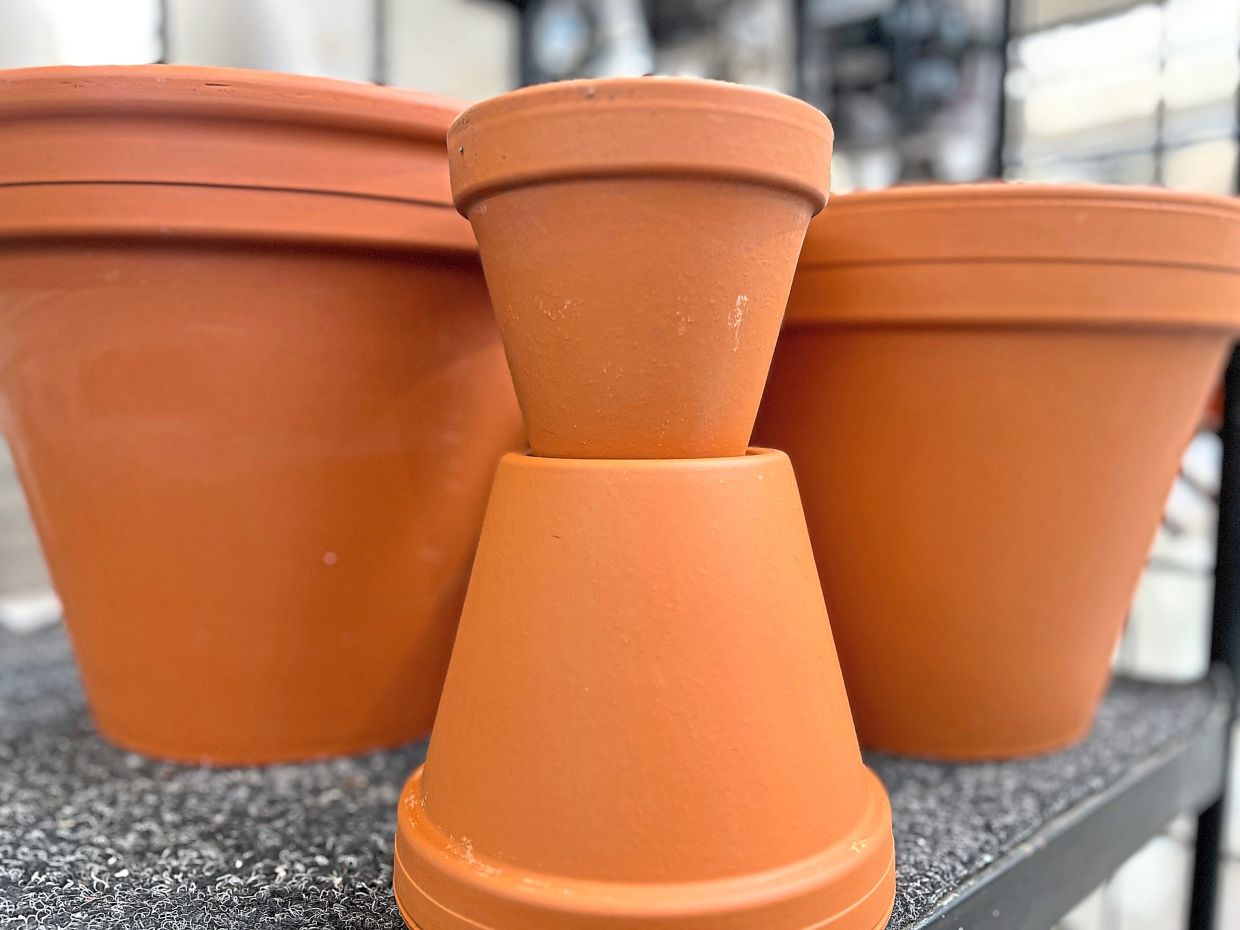
When selecting containers for mature plants, natural materials should be prioritised. Terracotta pots, while requiring more careful watering in tropical climates due to their porous nature, are durable, attractive and completely benign in landfills. Wooden containers offer excellent insulation for roots, though they require treatment to resist rot in humid environments. For vegetables and herbs, fabric grow bags made from natural fibres—not synthetic polypropylene—represent an underutilised solution. These bags come in numerous sizes and are particularly effective for root vegetables, potatoes with specially designed harvest doors, and herbs that require good drainage. Checking product labels for natural rather than synthetic fibre composition is essential, as many garden retailers stock plastic-based alternatives without clear distinction.
Bare-root plants, increasingly available through online nurseries and specialist growers, eliminate the plastic pot component of purchase entirely. While they require more careful handling and immediate planting, they represent a significant reduction in the plastic footprint of establishing a garden. This approach is particularly viable for deciduous trees and shrubs during the dormant season and works well for tropical perennials during specified planting windows.
Composting addresses two dimensions of the microplastics problem simultaneously. Home composting reduces the need for purchased soil amendments and fertilisers, which often arrive in plastic bags destined for landfills. More importantly, composting gives gardeners complete control over the material inputs to their soil, eliminating the hidden microplastics found in some commercial composts. For those without space or commitment for large compost systems, bulk compost purchases from local suppliers cost less than bagged alternatives while avoiding the packaging waste entirely.
The infrastructure supporting plants requires rethinking as well. Canvas tarps, available from agricultural suppliers and increasingly from mainstream retailers, replace plastic sheeting for protecting garden areas during renovation or harsh weather. Landscape fabric, a ubiquitous plastic-based weed barrier, should be abandoned entirely in favour of organic mulches—shredded bark, wood chips and dry leaves provide superior soil improvement as they decompose. In fire-prone regions common to parts of Southeast Asia, gravel mulches offer safety without environmental compromise.
Supportive structures for climbing plants and tall vegetables traditionally rely on plastic-coated wire or synthetic twine. Natural alternatives like bamboo stakes, untreated wooden stakes or galvanised metal provide superior durability. Securing plants with biodegradable twine made from hemp or jute eliminates another minor but cumulative source of garden microplastics. Wooden popsicle sticks, inexpensive and readily available, serve excellently as plant markers, degrading into the soil at season's end rather than persisting for years.
Where plastic purchases remain necessary—as they occasionally do—the focus should shift to durability and longevity. Investing in heavy-gauge, high-quality plastic items that will serve for decades before disposal differs fundamentally from the disposable plastic culture that dominates consumer gardening. A sturdy plastic seed tray that lasts ten years represents a far smaller environmental cost than purchasing flimsy replacement trays annually.
For Malaysian gardeners particularly, these changes align with regional values around self-sufficiency and resourcefulness. Many traditional Southeast Asian gardening practices inherently favoured natural materials and composting systems before plastic became dominant. Returning to these practices is not nostalgic regression but practical adaptation suited to tropical growing conditions and contemporary environmental urgency. The cumulative effect of thousands of gardeners making these material substitutions would substantially reduce microplastic input into soils across the region.
The widespread adoption of plastic-free gardening methods requires neither sacrifice nor significant expense. In many cases, natural alternatives prove cheaper than plastic equivalents once bulk purchasing and longevity are considered. More fundamentally, conscious material selection acknowledges that healthy gardens cannot coexist indefinitely with the slow poisoning of soil ecosystems through microplastic accumulation. Each gardener who makes this transition contributes to a cleaner agricultural future for the region.

