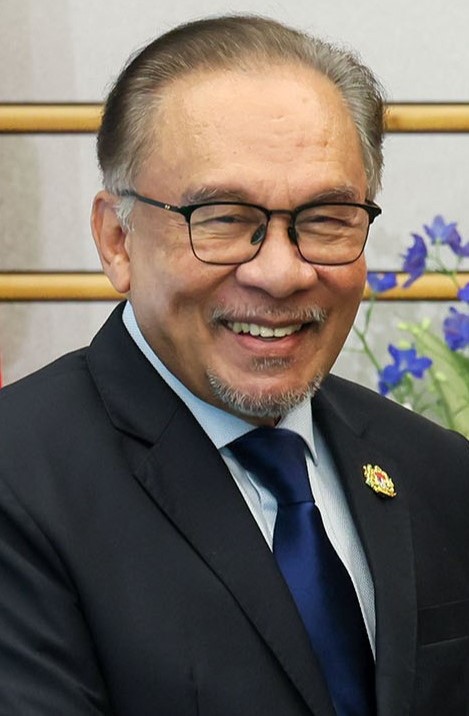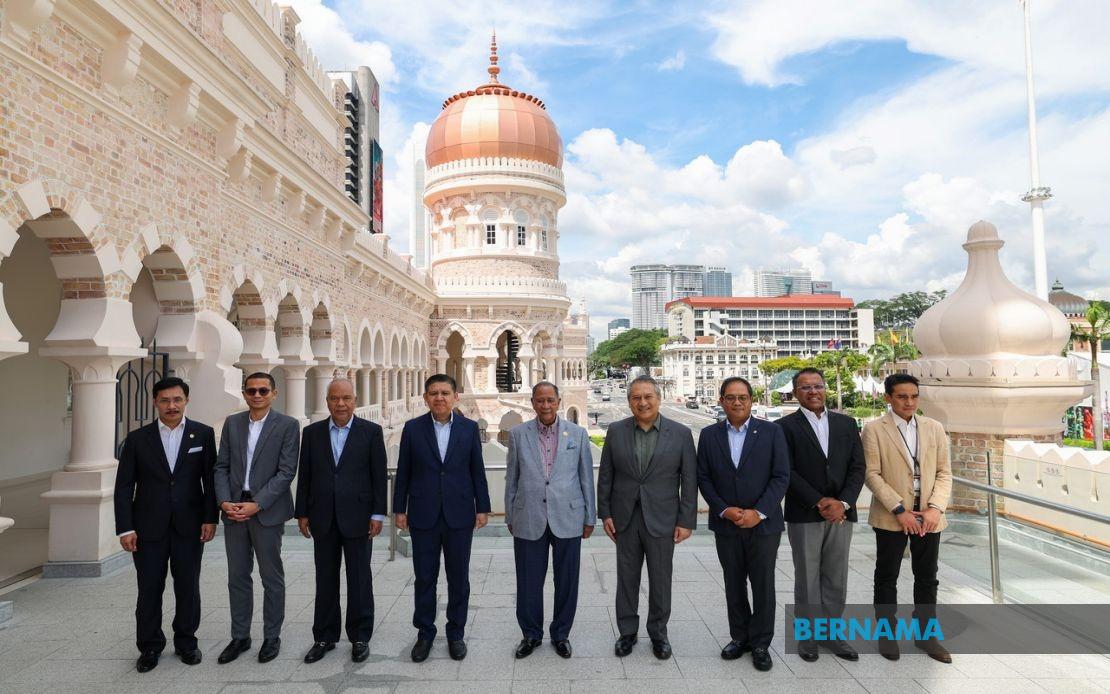
The Sultan of Kedah, Al Aminul Karim Sultan Sallehuddin Sultan Badlishah, made a formal visit to the Sultan Abdul Samad Building in Kuala Lumpur on June 24, reaffirming the royal institution's commitment to preserving Malaysia's architectural and historical heritage. Arriving at approximately 10.30 am, His Royal Highness was welcomed by Khazanah Nasional's managing director Datuk Amirul Feisal Wan Zahir, alongside senior officials from the state investment holding company including chief corporate officer and general legal adviser Datuk Mohamed Nasri Sallehuddin and head of real assets Selvendran Katheerayson.
The visit represented a significant milestone for Khazanah's ongoing stewardship of one of Malaysia's most iconic colonial-era structures. The Sultan Abdul Samad Building stands as more than a physical testament to the nation's past; it embodies the transition from British colonial rule to independence, having witnessed transformative moments that shaped modern Malaysia. The edifice originally functioned as the Secretariat Building, serving as the administrative headquarters during the formative years of the nation's governance. In 1957, within these halls, the Union Jack was lowered and the Federation of Malaya flag was raised for the first time, a symbolic act marking the beginning of Malaysia's sovereignty.
During his tour, the Sultan explored the Confluence Hall, a newly established exhibition space dedicated to chronicling the origins and evolution of Kuala Lumpur itself. Think City senior manager Mariana Isa provided detailed briefings on the curated exhibits, offering insights into how the capital city transformed from a modest tin-mining settlement into the thriving metropolis it is today. This gallery serves a crucial function in preserving collective memory and ensuring that future generations understand the city's development trajectory and the forces that shaped it into Southeast Asia's most developed urban centre.
The royal visitor proceeded to examine the Visionary Hall, which features sophisticated architectural models and multimedia presentations illustrating the capital's future-oriented planning and ongoing urban development initiatives. These displays extend beyond historical documentation to showcase how Kuala Lumpur continues to evolve as a modern, competitive city while maintaining respect for its heritage. The Sultan also accessed the distinctive balcony positioned above the Porte Cochere, the building's elegant covered carriage entrance, from which panoramic views of Kuala Lumpur's cityscape unfold.
Before departing at approximately 1.15 pm, His Royal Highness visited the School of Hard Knocks, an enterprise operated under the Royal Selangor brand and housed within the building. The Sultan then joined his hosts for a light luncheon, allowing informal discussion about the building's restoration and future role as a cultural institution. This extended engagement demonstrated the royal institution's deep interest in heritage conservation efforts extending beyond ceremonial acknowledgment.
Amirul Feisal expressed profound appreciation for the royal patronage, characterising the visit as both an honour and recognition of Khazanah's multifaceted preservation strategy. The managing director emphasised that the organisation's commitment transcends conventional structural restoration, instead encompassing a comprehensive mission to illuminate and contextualise Malaysian history for contemporary and future audiences. He noted that since the Sultan Abdul Samad Building opened to the public on February 2, it has attracted approximately 200,000 visitors, indicating substantial public interest in Malaysia's historical landmarks and a growing appetite for heritage tourism experiences.
The building's current status represents the culmination of extensive conservation work undertaken through the Khazanah Heritage Fund programme. On January 31, His Majesty Sultan Ibrahim, King of Malaysia, formally inaugurated the completion of Phase One restoration efforts following eleven months of meticulous conservation work. This investment in heritage preservation reflects national recognition that historical landmarks constitute irreplaceable cultural assets deserving substantial resources and expert attention. The restoration project balanced technical requirements of modern building systems with authentic preservation of original architectural elements and features.
For Malaysian readers and Southeast Asian observers, the Sultan's visit carries several implications. It underscores the royal institution's active role in endorsing heritage preservation as a national priority, lending institutional weight to conservation initiatives that might otherwise struggle for sustained funding or public engagement. The visit also signalled that heritage tourism and historical education increasingly form integral components of Malaysia's cultural strategy and urban development philosophy.
Moreover, the Sultan Abdul Samad Building's transformation into an accessible public space with professional exhibition galleries represents a shift in how Malaysia manages its colonial-era inheritance. Rather than viewing such structures ambivalently, the nation has chosen to contextualise them within a broader historical narrative, presenting them as shared Malaysian heritage worthy of celebration and study. This approach contrasts with some regional approaches that either demolished colonial buildings or left them as neglected remnants. The Kuala Lumpur model demonstrates that heritage buildings can be activated as vibrant cultural spaces generating both educational value and economic benefits through tourism.
The approximately 200,000 visitors recorded in the initial months suggest strong community appetite for such heritage experiences. This demand potentially justifies Khazanah's substantial investment and indicates opportunities for expanding similar initiatives to other historically significant structures throughout Malaysia. The building's success as a public attraction also validates the curatorial approach taken by Think City and other partners in translating architectural history into engaging multimedia narratives accessible to diverse audiences.
Looking forward, the Sultan's visit reinforces momentum for continued heritage preservation in Malaysia. His Royal Highness's engagement provides powerful validation that restoration projects merit serious investment and professional execution. The building now serves multiple functions simultaneously: as a physical museum of Malaysian independence, as a venue for cultural programming through enterprises like School of Hard Knocks, and as a symbol of the nation's commitment to honouring its past while building its future. This multifaceted approach maximises the building's cultural and social utility while ensuring its long-term sustainability through ongoing public engagement and economic viability.