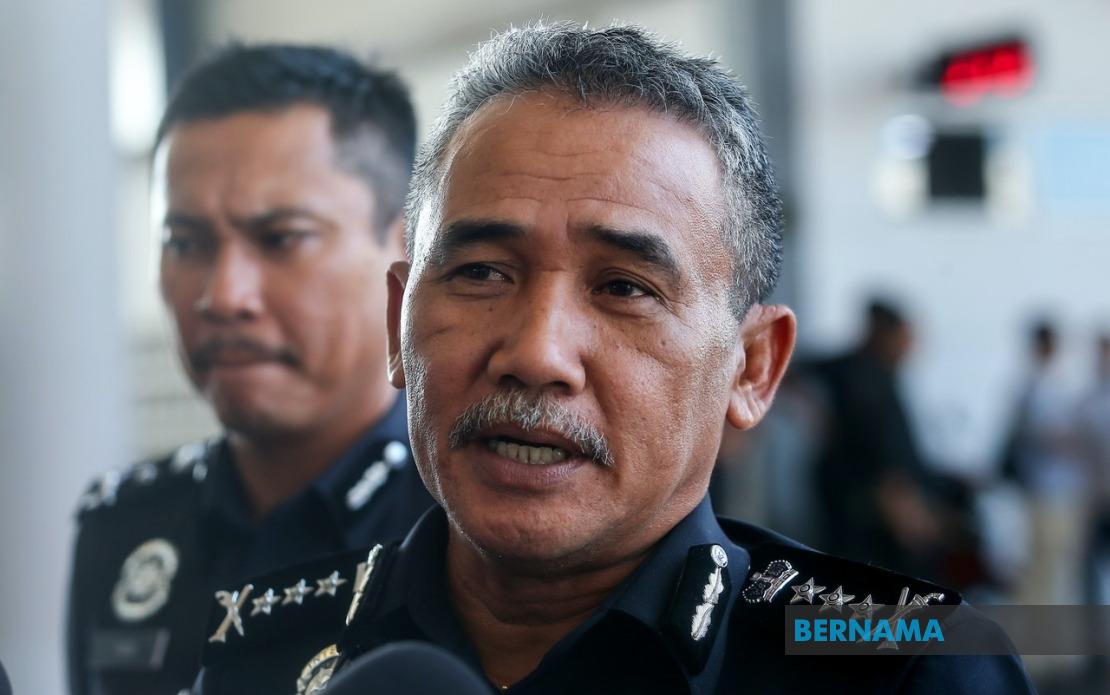
The Royal Malaysian Police (PDRM) contingent in Kedah has opened 69 disciplinary investigation papers (KST) as of June 2025, affecting a total of 90 personnel serving across the state. The caseload comprises investigations into 11 senior police officers, 76 junior officers, and three civil servants, according to Kedah police chief Datuk Adzli Abu Shah, who disclosed the figures during the monthly assembly at the Kedah Police Contingent Headquarters in Alor Setar.
The reported figure represents a notable reduction from 2024, when authorities initiated 155 disciplinary investigations that involved 294 individuals across all ranks and categories. That earlier period saw action taken against 39 senior officers, 248 junior officers, and seven civil servants. The downward trend suggests either improved conduct standards within the force or potentially stricter pre-investigation vetting procedures being implemented to reduce formal proceedings.
During the January to June period of 2025, the disciplinary offences encompassed a broad spectrum of alleged misconduct. The breakdown revealed three cases connected to syariah law violations, four commercial crime investigations, seven corruption allegations, eleven traffic-related breaches, twenty-four drug-related offences, thirty-three general criminal cases, and one hundred forty-two miscellaneous disciplinary violations. This diverse caseload underscores the varied nature of internal accountability challenges facing the force and the necessity for comprehensive oversight mechanisms.
Datuk Adzli emphasised that the police leadership maintains a zero-tolerance approach toward any personnel found to have compromised the department's integrity or public image. He noted that the institution pursues stringent consequences including detention, suspension, and outright dismissal for officers substantiated to have breached disciplinary standards or engaged in criminal behaviour. This public commitment reflects broader efforts across Southeast Asian police forces to combat corruption and restore public confidence through transparent accountability.
A significant portion of Adzli's remarks addressed public misconceptions regarding police disciplinary practices. He acknowledged that citizens frequently harbour doubts about the impartiality of internal investigations, often assuming that suspected officers receive preferential treatment or merely face geographical reassignment without substantive penalty. The police chief sought to clarify that suspension represents an initial protective measure rather than final punishment, designed to isolate potentially problematic officers from community interaction during ongoing investigations.
To illustrate the practical application of suspension protocols, Adzli provided the example of an officer implicated in robbery and extortion activities affecting residents. Rather than allowing continued operational deployment with community access, authorities immediately reassign such individuals to desk-based or administrative roles severing public contact. This interim measure protects citizens while investigative processes proceed toward definitive findings and appropriate disciplinary or criminal outcomes.
The police chief underscored that suspension does not conclude investigative procedures or excuse personnel from accountability. Even as suspended officers remain away from frontline duties, comprehensive investigations continue toward ultimate determinations regarding misconduct substantiation and subsequent penalties. This sequential approach aims to balance the presumption of innocence with public protection concerns.
Beyond disciplinary matters, Adzli addressed emerging public safety concerns within Kedah, specifically referencing mysterious knocking disturbances reported across multiple areas in Kota Setar district. Authorities acknowledged resident complaints regarding these unexplained noises and their impact on community peace of mind. The police response involved deploying enhanced patrol coverage throughout affected localities to reassure residents and investigate potential sources of the disturbances.
The disclosure of disciplinary case statistics and police leadership's candid discussion of internal accountability mechanisms reflect broader regional trends toward institutional transparency. Malaysian authorities increasingly recognise that public confidence in law enforcement depends partly upon demonstrated willingness to investigate and penalise misconduct within their own ranks. For Malaysian readers, these developments signal that police leadership recognises the importance of credible internal discipline systems in supporting broader efforts to combat corruption and improve public trust in governance.
The reduction in cases from 2024 to 2025, while potentially encouraging, warrants cautious interpretation. Observers should monitor whether declining numbers reflect genuinely improved officer conduct or represent shifts in investigation initiation thresholds. Sustained transparency regarding investigation outcomes—not merely case numbers—remains essential for public assessment of disciplinary system effectiveness. For Southeast Asian police forces generally, Kedah's public acknowledgment of internal oversight mechanisms, however imperfect, demonstrates evolving recognition that institutional credibility depends upon acknowledged accountability rather than opacity.

