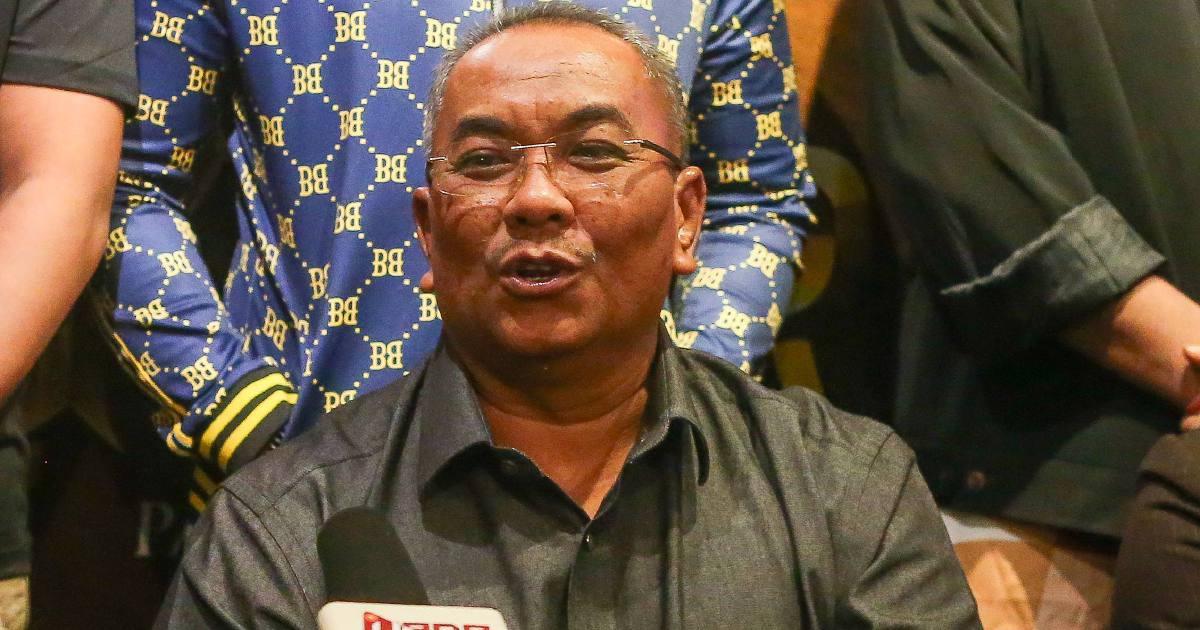
Kedah Menteri Besar Datuk Seri Muhammad Sanusi Md Nor has escalated a political dispute by serving letters of demand against DAP deputy chairman Nga Kor Ming and two unidentified individuals, alleging they distorted his statements made during a recent public address in Negri Sembilan. The move represents a hardening stance in what appears to be an ongoing disagreement over the accurate representation of the Kedah leader's public comments, a tactic increasingly common in Malaysian politics as politicians seek legal remedies for perceived defamation or misquotation.
The incident centres on remarks Sanusi made at a ceramah, the traditional Malay word for a public gathering or talk, in Negri Sembilan. Rather than pursuing the matter through conventional political channels or public response, the Kedah MB has chosen the formal legal route, indicating he views the alleged distortion as sufficiently serious to warrant written demands. The specifics of which statements were allegedly misrepresented have not been disclosed in initial reports, leaving considerable room for interpretation about the severity of the claimed distortion.
Nga Kor Ming, as deputy chairman of the Democratic Action Party, holds a significant position within DAP's organisational hierarchy. The party, one of Malaysia's major opposition coalitions and a constituent member of the Pakatan Harapan alliance, has long engaged in robust political discourse and critique of Barisan Nasional-led governments. This targeting of a senior DAP figure underscores ongoing political tensions between the ruling coalition's state administrations and opposition parties at both state and federal levels.
Letters of demand serve as a formal preliminary step before potential civil action for defamation or other tortious claims. By issuing such documents, Sanusi creates an official record of his objection and typically provides recipients with an opportunity to settle the matter without court proceedings. In Malaysian legal practice, such letters often precede lawsuits and can establish important factual timelines should litigation proceed. The approach signals serious intent while theoretically allowing space for an out-of-court resolution.
The involvement of two additional individuals alongside Nga suggests a broader network of people allegedly involved in spreading or amplifying the purported misquotation. This might include media figures, political operatives, or social media accounts responsible for disseminating the contested statements. The decision to pursue multiple targets simultaneously amplifies the legal pressure and may serve a broader signalling purpose to opposition supporters regarding the consequences of what the MB's team considers defamatory speech.
Political dynamics in Kedah have been notably contentious in recent years, with the state serving as a significant battleground between competing political forces. Sanusi's administration has pursued various initiatives and engaged in public messaging, making state-level political communication a frequent point of contention. The resort to legal mechanisms suggests frustration with the political narrative being constructed around his statements or activities.
For Malaysian readers and the broader Southeast Asian context, this incident illustrates how political disputes in Malaysia increasingly involve legal weaponisation. While defamation law exists legitimately to protect individuals from false statements, the frequency with which politicians deploy such mechanisms has raised questions about whether these tools function primarily as genuine remedies or as means of political intimidation. The outcome of this particular case and Sanusi's eventual success or failure in pursuing damages will carry implications for future political conduct and public discourse.
The incident also reflects broader patterns within Malaysian politics where state leaders maintain their own legal teams ready to respond to perceived attacks. This professionalisation of political response mechanisms represents both a sophistication in political management and a potential chilling effect on critical commentary. Opposition figures and commentators must now factor potential legal costs and time investment into their public statements, a calculation that may affect the robustness of political debate.
DAP's response to the demands, once formally received, will be closely watched by political observers. The party may mount a vigorous defence of the disputed statements, counter-argue that they represented fair commentary on matters of public interest, or seek settlement. The party's handling of the matter could influence broader perceptions of its willingness to engage in assertive political critique or its preference for careful legal calibration of statements.
For the media ecosystem in Malaysia, such cases create dilemmas regarding reporting accuracy and attribution. News outlets must balance comprehensive reporting on political claims with caution about potential legal exposure. The chilling effect of defamation threats on investigative journalism and robust political reporting remains a significant concern among press freedom advocates, who monitor such cases as indicators of the media landscape's overall health.
The geographical span of this dispute, involving statements made in Negri Sembilan and pursued by Kedah's leadership, demonstrates how state-level politics increasingly intersect across borders, particularly when high-profile figures travel to make political speeches. This interconnectedness of Malaysian politics means that local disputes in one state can generate legal consequences that extend across state boundaries and draw attention from multiple political actors.

