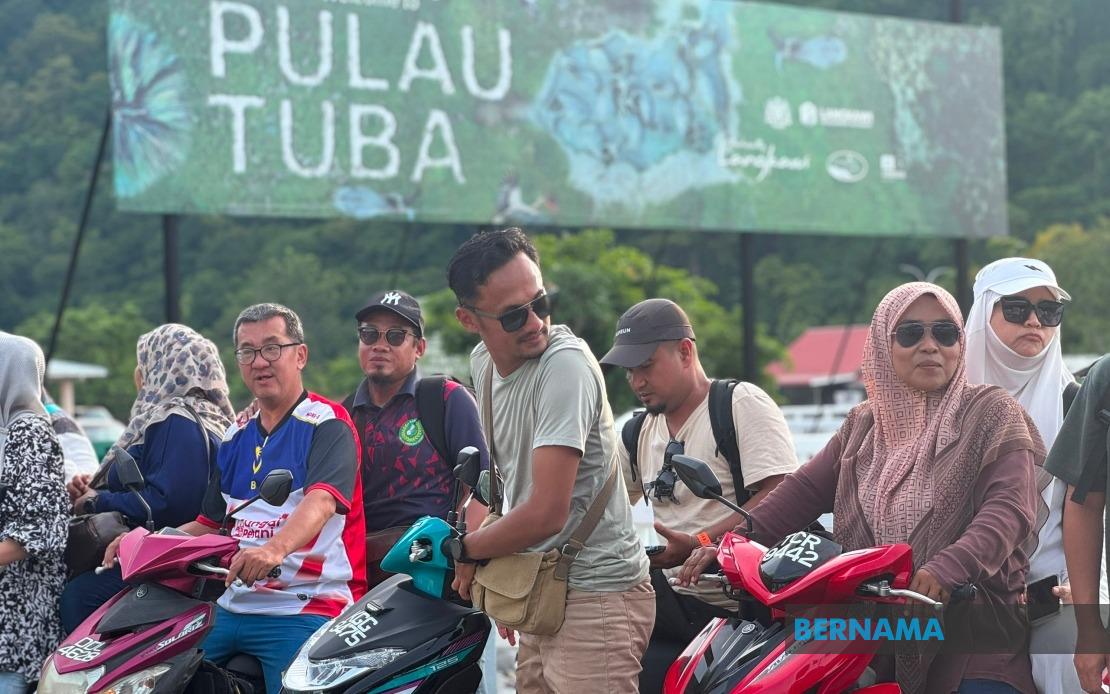
The Kedah state government is pursuing an ambitious expansion strategy to establish Pulau Tuba as a world-class tourism hub capable of standing alongside the more established Langkawi destination. Speaking in Alor Setar, Datuk Mohd Salleh Saidin, who leads the state's Tourism, Culture and Entrepreneurship Committee, outlined a comprehensive roadmap aimed at capitalising on the island's existing strengths while addressing operational gaps that have hindered its potential.
According to Mohd Salleh, Pulau Tuba possesses considerable competitive advantages that remain underutilised. The island boasts an array of distinctive tourism offerings and a reputation for affordable, high-quality local cuisine that attracts value-conscious travellers. However, these inherent strengths are being undermined by inconsistent service standards across hospitality establishments and tourism operators. The committee chairman acknowledged this reality frankly, signalling that the state recognises service excellence as a critical lever for tourism growth.
To address the service quality challenge, Kedah Tourism will commence comprehensive industry management and professional development programmes for tourism sector workers stationed on Pulau Tuba during the current year. These initiatives represent more than mere compliance exercises; they reflect a structured approach to building human capital within the tourism ecosystem. By equipping frontline staff and business operators with international best practices and customer service protocols, the state hopes to elevate the overall visitor experience and encourage repeat visitation and positive word-of-mouth promotion.
The timing of this initiative aligns with broader recognition of Kedah's tourism competitiveness. At the recent Tourism Industry Awards 2026, organised by the Malaysian International Tourism Development Association (MITDA), Kedah's tourism sector demonstrated its capability to compete at the highest echelons of the industry. The state captured seven awards overall, with four recognitions specifically honouring Langkawi-based tourism products. This achievement is particularly significant as it validates the quality and innovation present within the state's established tourism brands.
Mohd Salleh seized this opportunity to counter what he characterised as deliberate misinformation campaigns against Langkawi. He argued that negative narratives surrounding the destination were orchestrated propaganda designed to undermine confidence in Kedah's tourism sector rather than reflections of genuine operational deficiencies. By framing recent award victories as evidence of industry resilience and quality, he sought to reposition Langkawi's brand in the eyes of both domestic and international audiences sceptical of earlier controversies.
Equally noteworthy is the recognition extended to mainland Kedah tourism products for the first time. This breakthrough suggests that the state government's diversification strategy—moving beyond reliance on the Langkawi brand—is bearing fruit. Pulau Tuba represents precisely this diversification opportunity: a distinct destination with its own character and appeal that can draw visitors seeking alternatives to Langkawi's increasingly crowded attractions and higher price points.
State officials project that sustained investment and promotional efforts will generate strong growth in visitor arrivals over the next one to two years. This timeframe suggests realistic expectations rather than speculative projections. The phased approach acknowledges that destination branding and service improvement require time to materialise into measurable tourism metrics, particularly when competing against established players in an increasingly crowded Southeast Asian tourism market.
A significant catalyst for growth emerged through a Memorandum of Understanding signed among JetAsia (M) Sdn Bhd, the Kedah Tourism Development Cooperative (KKPK), and Kedah Tourism focused on educational tourism initiatives. This partnership represents a strategic pivot toward the lucrative and growing educational tourism segment, which has demonstrated resilience and strong growth trajectories across Southeast Asia. By positioning Kedah's islands and cultural assets as experiential learning destinations, the collaboration opens access to international school and university student cohorts.
The EduTourism partnership mobilises eleven additional strategic collaborators alongside the core signatories, demonstrating the scope and ambition embedded within the initiative. Through this network, international educational institutions will have curated pathways to bring students to Kedah for immersive experiences spanning agro-tourism, cultural heritage, historical education, and natural resource management. Such programmes generate sustained visitor flows, extend average length of stay, and create spending across multiple economic sectors beyond traditional hospitality.
For Malaysian tourism policymakers, Kedah's approach exemplifies how secondary destinations can leverage niche market segments and international partnerships to achieve differentiation. Rather than attempting to replicate Langkawi's model, the state recognises that Pulau Tuba can capture distinct demand: value-conscious leisure travellers, educational tourism groups, and visitors seeking authentic, less commercialised experiences. This positioning strategy carries broader implications for regional tourism development across Malaysia's less-developed tourist destinations.
The emphasis on staff training and service standardisation also signals understanding that Malaysia's tourism competitiveness increasingly depends on operational excellence rather than natural attractions alone. Neighbouring Thailand, Indonesia, and Vietnam have raised visitor expectations significantly. Kedah's investment in hospitality training acknowledges this competitive environment and positions the state to capture market share from tourists trading up from cheaper alternatives or seeking reliable, consistent experiences.
Looking ahead, the success of these initiatives will depend heavily on execution quality and sustained political commitment. Tourism development requires long-term consistency across multiple administrations, continued infrastructure investment, and active promotion to both source markets and distribution channels. The current initiatives represent important foundations, but translating strategic intent into substantial visitor growth will require vigilant monitoring and adaptive management as market conditions and traveller preferences evolve.

