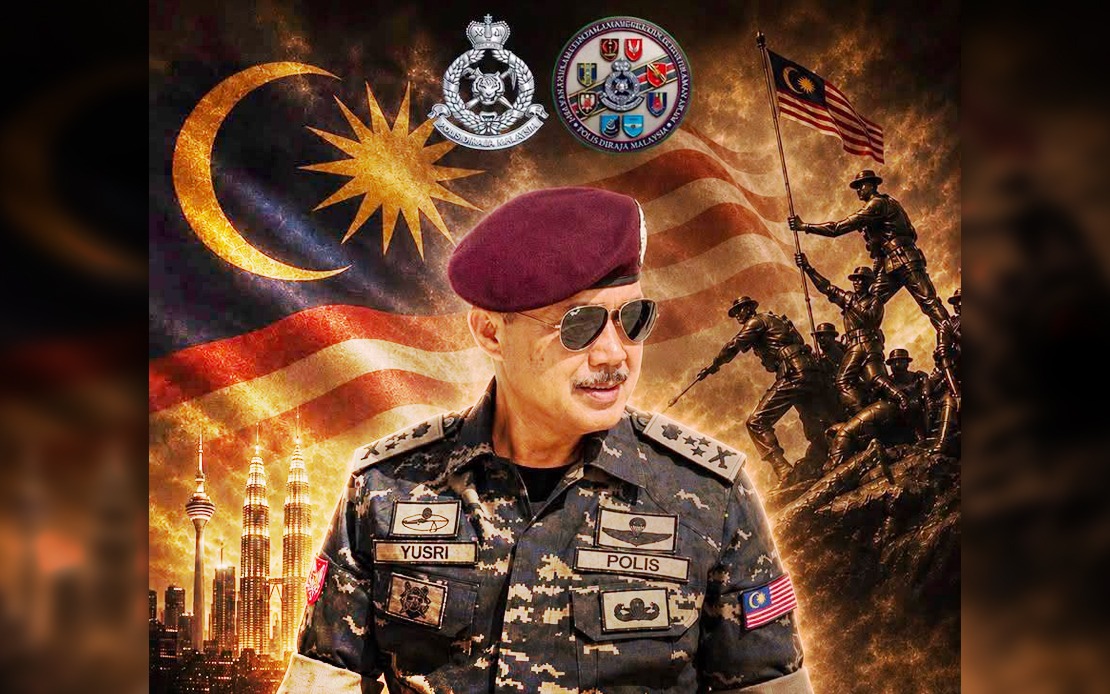
In a marked departure from previous years, Datuk Seri Mohd Yusri Hassan Basri will trade his BMW motorcycle for a white horse when he leads the Royal Malaysia Police contingent at the 69th National Day Parade in Putrajaya on August 31. The KDNKA director's shift from commanding a high-powered motorbike detachment to riding Al-Sakb at the front of the 595-strong police contingent reflects an evolving presentation of Malaysia's security forces at the nation's most significant annual ceremonial gathering.
The centrepiece of the KDNKA contingent will be the Federal Reserve Unit's Mounted Unit, a ceremonial element comprising 20 officers and personnel alongside 20 horses. This traditional cavalry component heads a force that will include senior and junior police officers demonstrating the breadth of operational structures within the Royal Malaysia Police. The decision to feature the mounted unit prominently signals an intentional blending of heritage pageantry with contemporary security presentation at the parade.
Mohd Yusri explained that the transition from his previous role as director of the Traffic Investigation and Enforcement Department, where he led departmental contingents astride a BMW R 1250 RT motorcycle, to his current position commanding KDNKA presented a natural opportunity to showcase different capabilities. The shift requires more than ceremonial adjustment—it demands genuine horsemanship and coordination with animal handlers. He has undergone more than a month of intensive training to ensure seamless execution during the parade, recognising that synchronisation between the mounted officer and the broader contingent reflects directly on institutional credibility and public perception.
The comprehensive PDRM presence at this year's parade extends far beyond traditional ceremonial display. Organisers have incorporated the General Operations Force and Air Operations Force to illustrate the operational diversity embedded within the police structure. This multi-dimensional approach allows the force to communicate its contemporary capabilities to the Malaysian public while maintaining ceremonial dignity. The parade thus functions simultaneously as public celebration and institutional messaging platform.
Among the technological elements commanding attention are ten newly acquired All Terrain Tactical Assault E-Bikes supplied to the General Operations Force. These high-performance electric motorcycles represent a shift toward sustainable technology in security operations, designed specifically for border patrol duties, high-risk special operations, and conflict management scenarios. Their inclusion alongside traditional mounted units creates visual dialogue between heritage and innovation—a narrative increasingly important for security institutions navigating public expectations in the digital age.
Aerial representation will come through a flypast by an AW139 helicopter operated by the PDRM, demonstrating the force's capability projection from ground to sky. This aerial component complements the land-based displays and signals the three-dimensional nature of modern policing and internal security operations. The helicopter presence also provides dramatic visual impact for parade spectators and reinforces the comprehensive operational reach of Malaysia's premier law enforcement institution.
The K9 Unit will deploy 16 dogs as part of the parade contingent, showcasing specialised operational capabilities in detection and patrol functions. Combined with elite tactical personnel utilising the electric motorcycle technology, the PDRM presentation encompasses the full spectrum from canine handlers to advanced technology operators. This integration of human expertise, animal capability, and technological innovation presents a holistic picture of contemporary police operations to the attending public and national broadcast audience.
Mohd Yusri has emphasised the importance of flawless execution, stating his commitment to ensuring all movements remain orderly and synchronised throughout the parade. The preparations for the KDNKA contingent have reached optimal levels, he indicated, with months of coordination and training converging on the actual ceremonial moment. This professional preparation reflects the broader institutional culture emphasising precision and public accountability within Malaysia's security establishment.
Beyond the operational display, Mohd Yusri has appealed to Malaysians to participate actively in the National Day celebrations with their families. The public attendance component transforms the parade from an institutional performance into a genuinely national gathering, embedding celebration of independence within family and community contexts. This invitation carries particular resonance given Malaysia's multicultural composition and the importance of inclusive national ceremonies in affirming shared citizenship across diverse communities.
The weather remains a variable element in the parade's success, and Mohd Yusri acknowledged that improved atmospheric conditions would enhance the experience for attending citizens. This practical concern underscores the reality of organising large outdoor ceremonies in Malaysia's tropical climate. The hope expressed that conditions will prove favourable reflects the genuine commitment to delivering a ceremony worthy of the nation's independence commemoration.
The parade's overall aesthetic combines traditional mounted cavalry pageantry with cutting-edge security technology and operational capability demonstration. This synthesis speaks to Malaysia's self-presentation as a nation balancing respect for heritage with embrace of modernity. The PDRM contingent, under Mohd Yusri's leadership, will embody this balance visibly—the white horse Al-Sakb and its rider accompanied by electric motorcycles, aerial platforms, and canine units, all moving in choreographed unity through Dataran Putrajaya. The message delivered extends beyond ceremonial decoration to assert Malaysia's commitment to security excellence across multiple dimensions and timeframes.

