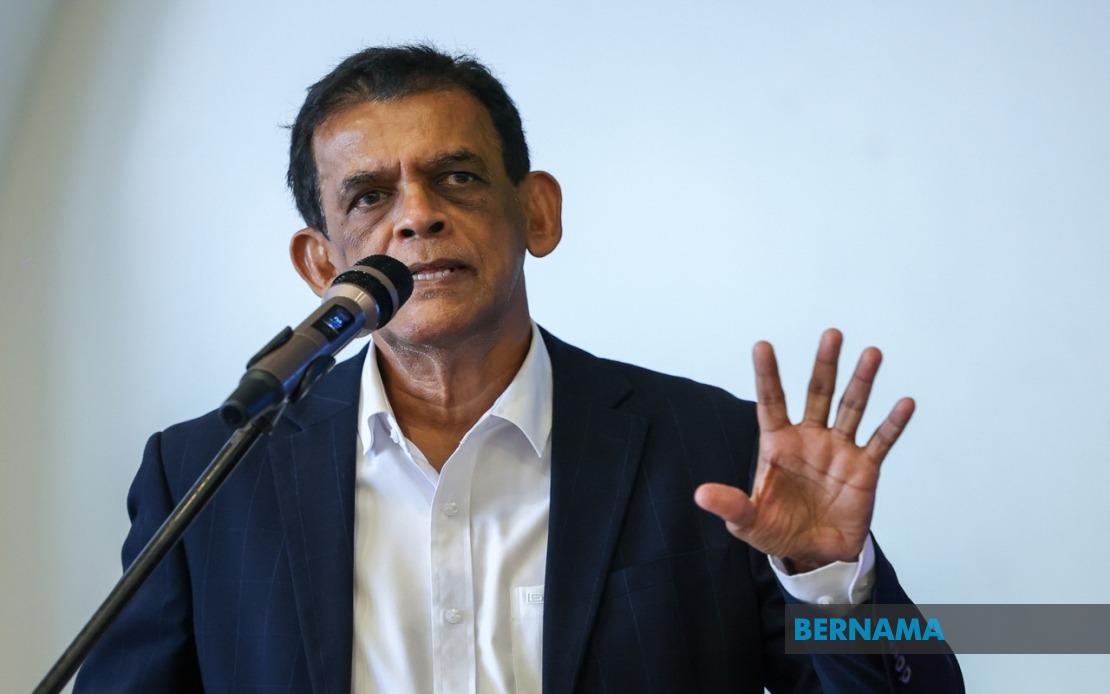
The Malaysian Artistes Association, commonly known as Karyawan, has formally petitioned the government to assume direct control over the country's music royalty collection and distribution mechanisms. The appeal comes as part of multiple resolutions unanimously passed during the organisation's recent annual general meeting, signalling broad consensus within Malaysia's artistic community regarding systemic failings that have hindered musicians for more than two decades.
According to Datuk Freddie Fernandez, president of Karyawan, the initiative draws inspiration from Indonesia's institutional framework, where the National Collective Management Institution operates as the centralised authority overseeing public performance royalty collection. Indonesia's evolution towards this model emerged after the government recognised that voluntary coordination among private collecting bodies had repeatedly failed to serve the interests of content creators and the broader industry ecosystem.
The financial stakes underlying this reform proposal are substantial. Malaysia's public performance royalty collections now approach RM200 million annually, a figure that underscores the significant value flowing through the current fragmented system. Despite this considerable volume of transactions, the existing decentralised structure has generated persistent complaints regarding accountability, with musicians and rights holders expressing frustration over opaque processes, inflated administrative overheads, and disputes among the various collective management organisations responsible for distribution.
Karyawan's central recommendation proposes the establishment of a government-supervised centralised digital platform designed to consolidate all aspects of music rights administration. This comprehensive system would integrate music rights registration, real-time usage tracking, automated royalty calculation engines, and verified distribution mechanisms into a single, auditable framework. Every musical composition and sound recording would be catalogued within this national repository alongside ownership documentation, licensing agreements, and payment histories accessible to regulators, creators, licensees, and relevant stakeholders.
The technological architecture of such a platform would facilitate automatic matching of each song usage instance to its legitimate rights holder, enabling instantaneous royalty calculation and distribution based on verified ownership records and documented actual consumption. By consolidating these functions, the system would substantially reduce administrative redundancy, enhance transparency throughout the value chain, and establish a definitive audit trail that government authorities and industry participants could reference with confidence.
Fernandez articulated an additional rationale that reflects emerging technological challenges confronting the creative industries globally. The government-managed system, he suggested, would provide regulatory infrastructure capable of monitoring and managing the proliferation of artificial intelligence-generated music, a category of creative output that threatens to become economically significant without proper governance frameworks. Proactive legislative positioning now, he implied, would prevent future complications that could prove costly and difficult to address retroactively.
Karyawan's proposal aligns with the newly established Copyright (Collective Management Organisation) Guidelines 2025, which emphasise strengthened governance structures, improved record-keeping protocols, comprehensive reporting mechanisms, and enhanced accountability measures across the royalty management ecosystem. This regulatory consistency strengthens the proposal's credibility and suggests that government bodies responsible for intellectual property administration are cognisant of reform imperatives.
The timing of this initiative follows a period of escalating tension among industry stakeholders. Karyawan, MyIPO (the Intellectual Property Corporation of Malaysia), the Ministry of Domestic Trade and Cost of Living, and three established royalty collection bodies—Music Authors' Copyright Protection, Public Performance Malaysia, and Recording Performers Malaysia—have pursued legal action against the government, indicating deep-seated organisational conflicts that the proposed centralisation might resolve through structural reorganisation.
Beyond systemic governance concerns, Karyawan has highlighted acute problems affecting individual musicians' compensation. Record labels and streaming platforms have allegedly systematically under-compensated or entirely withheld royalty payments owed to performing artists, a pattern exemplified by the case of late music legend Sudirman Arshad. Arshad's family received RM367,000 in accumulated royalties only after protracted negotiations and years of waiting, suggesting institutionalised delays and potential deliberate withholding within the current system. Karyawan reports that numerous members have subsequently disclosed similar experiences involving insufficient royalties from album sales and digital streaming services, establishing a broader pattern of systemic unfairness rather than isolated incidents.
The association has committed to compiling comprehensive documentation from affected members to mount coordinated legal challenges seeking restitution and structural remedies. This collective action reflects growing recognition that piecemeal complaints have proven ineffective, necessitating consolidated pressure to achieve meaningful reform. For Malaysian musicians, the stakes extend beyond abstract institutional efficiency; they involve access to income legitimately earned through their creative contributions and accumulated over lengthy careers.
Regionally, Malaysia's experience mirrors challenges confronting music industries across Southeast Asia, where inadequate royalty infrastructure has persistently disadvantaged local creators while multinational streaming platforms and record companies capture disproportionate shares of revenue. A modernised system establishing clear payment pathways and transparent distribution mechanisms could establish a model potentially applicable to other ASEAN nations grappling with comparable structural deficiencies.
The proposal ultimately represents an assertion by Malaysian musicians that government intervention, rather than market mechanisms or private institutional coordination, offers the most viable pathway toward ensuring fair treatment, transparent operations, and equitable compensation within the music industry. Whether policymakers adopt this recommendation will significantly influence whether the next generation of Malaysian artists can sustain careers through music, or whether systemic obstacles continue channelling creative value away from the creators generating it.

