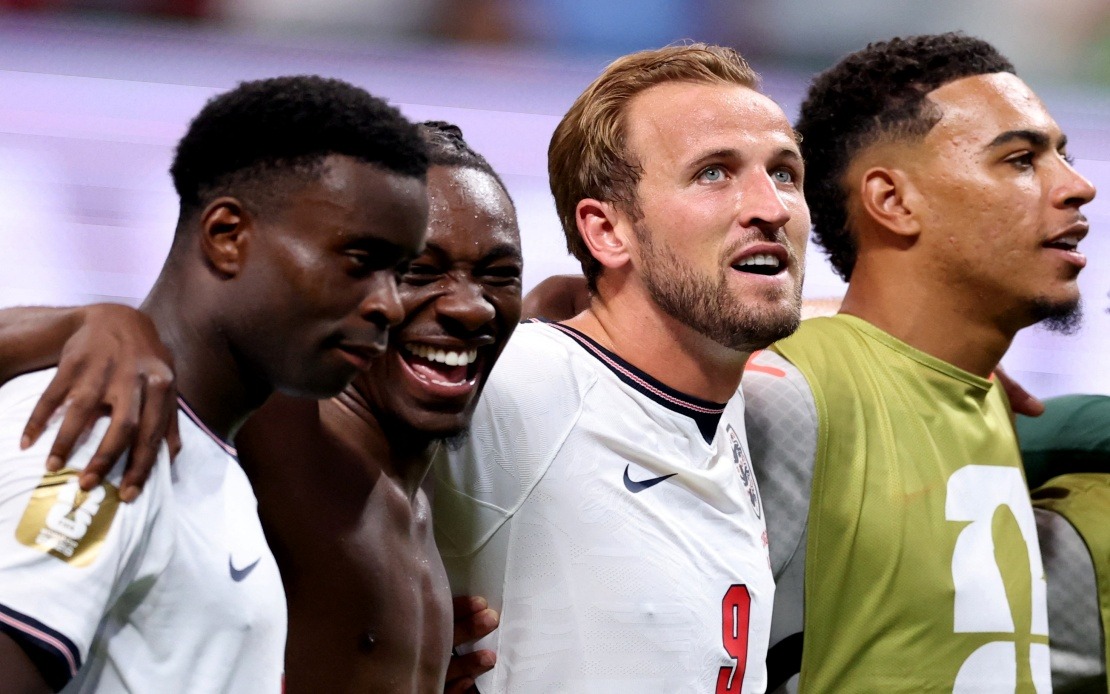
England's World Cup campaign hung by a thread in Atlanta on Wednesday before Harry Kane's clinical finishing in the second half pulled Thomas Tuchel's side back from the brink of a stunning upset. The Three Lions surrendered an early goal to Brian Cipenga and faced the chilling prospect of crashing out to the Democratic Republic of the Congo in the round of 32—a result that would have reignited painful memories of their humiliating exit to Iceland at Euro 2016. Instead, Kane's brace sealed a 2-1 comeback victory and a place in the knockout stage against Mexico, though the manner of England's struggles will concern supporters and tactical analysts alike ahead of what promises to be a challenging fixture.
The opening period demonstrated just how vulnerable England could be when pressed by a motivated underdog. Congo, competing in their first World Cup knockout match, displayed surprising composure and attacking intent that repeatedly caught the English defence off balance. The early breakthrough came courtesy of Cipenga's clinical finishing, and from that moment forward, England found themselves chasing the game in an uncomfortable position. Tuchel's men were unable to establish their usual rhythm or control, and the goalkeeper Lionel Mpasi of Congo proved to be an inspired barrier between the posts, making several important saves that kept his team ahead and the tension mounting.
There were moments when fortune smiled upon England during their laboured first-half display. Yoane Wissa came agonizingly close to doubling Congo's advantage when his effort struck the post, a moment that could easily have sealed England's fate. Kane himself had a penalty claim rejected by officials that added to the mounting frustration, with replays suggesting the decision might have gone England's way. These marginal incidents accumulated into a growing sense of unease in the English camp and among their supporters, as their team struggled to find solutions against a well-organised defensive setup that seemed to have identified and exploited specific weaknesses in England's structure.
The second half witnessed a considerable shift in momentum and tactical application. Tuchel made adjustments that included bringing on Anthony Gordon from the bench, a decision that proved instrumental in England's turnaround. Gordon's energy and creative input provided the spark that had been missing, and his involvement directly led to both of Kane's finishing opportunities. The England captain, whose scoring record at major tournaments has sometimes been questioned despite his club form, responded when it mattered most with a composed double that demonstrates his ability to deliver under pressure. These goals marked England's first World Cup win after conceding first since their famous 1966 triumph, a historical context that underscores just how rare and significant such comebacks have been in their tournament history.
The victory, while ultimately achieved, raises profound questions about England's ability to compete at the highest level in knockout football. Mexico presents a substantially different challenge from Congo, and the manner in which England was dominated for extended periods against less fancied opposition suggests structural vulnerabilities that more experienced teams could ruthlessly exploit. The defensive frailties that Congo exposed—particularly in midfield pressing and transition defence—represent areas where Mexico's technical quality and tactical sophistication could prove far more dangerous. England's path to the final, should they harbour such ambitions, suddenly looks considerably more treacherous than pre-tournament predictions suggested.
Congo's performance, whilst ultimately unsuccessful, enhanced their reputation considerably and provides valuable lessons for other emerging football nations at the World Cup. Their willingness to press aggressively, their organised defensive shape, and their clinical finishing in key moments all contributed to a display that deserved greater reward than the final scoreline suggests. The Democratic Republic of the Congo's football federation can take genuine pride in their team's competitive spirit and tactical discipline, factors that bode well for their future development in international football. For England, the encounter serves as a timely reminder that complacency against any opposition carries heavy penalties at this level of competition.
Tuchel's tactical adjustments and personnel decisions ultimately proved decisive in securing passage to the next stage. The introduction of Gordon disrupted Congo's shape and created the spaces from which Kane could operate with greater effectiveness. The England manager's composure during a period of considerable pressure—both from his own team's struggling performance and the mounting expectation surrounding their participation—reflected maturity in his approach to World Cup management. However, the narrow nature of the escape and the extended period of poor performance against modest opposition means there is significant work ahead before the Mexico encounter.
The atmosphere at the Azteca will present England with a different type of challenge entirely. Mexico's home crowd advantage, combined with their established World Cup experience and technical capabilities, creates a considerably more daunting prospect than the relatively muted atmosphere that Congo faced in their inaugural knockout appearance. England's defensive solidity will need considerable improvement, and their midfield must establish control and possession dominance far earlier in the match than occurred against Congo. The journey to potential glory in this tournament has become considerably more arduous, and the margin for error has been substantially reduced by their narrow escape in Atlanta.

