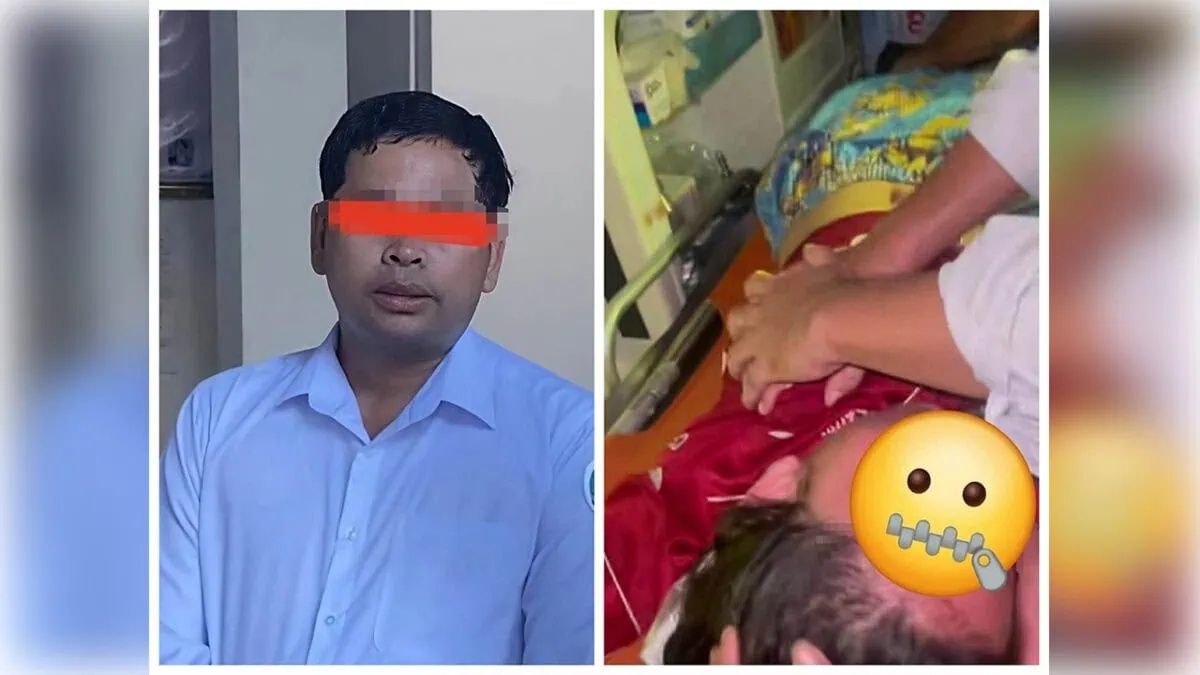
The administrative decision to remove Chhun Phally from his position at Setbo Health Centre in Kandal province represents a swift governmental response to mounting public pressure triggered by digital media circulation of a controversial medical incident. Provincial governor Kuoch Chamroeun formally relieved Phally of his duties as health centre chief on Tuesday, 4 August, transferring him to a subordinate role within the provincial health administration structure. The reassignment took effect immediately, though the governor's official order contained no explicit explanation for the personnel change, allowing observers to interpret it as a direct consequence of the preceding day's social media storm.
The incident centred on footage showing Phally providing emergency medical intervention to a 17-year-old female patient who had presented at the facility suffering from seizures and acute respiratory distress. A relative of the teenage girl had recorded the treatment proceedings with the intention of keeping other family members informed about the patient's medical status and condition. However, the video subsequently spread across various social media platforms, generating extensive public commentary and criticism that rapidly escalated into accusations of improper handling, dignity violations, and procedural irregularities.
Online commentators and social media users articulated concerns on multiple fronts regarding the documented emergency response. Beyond allegations that the manner of patient handling constituted a form of harassment or disrespect towards the adolescent, observers questioned whether the resuscitation techniques employed adhered to established medical protocols and professional standards. The combination of these criticisms—touching on both ethical conduct and clinical competence—created significant reputational damage for both the individual healthcare worker and the health facility itself.
The Kandal provincial health department has initiated a formal investigation into the circumstances surrounding the incident, with the acting provincial health director, Kiem Piseth, stating that authorities would examine whether medical procedures conformed to professional standards and whether any form of misconduct or abuse had occurred. Piseth indicated that potential consequences extend beyond administrative measures, with legal prosecution remaining a possibility should the investigation substantiate more serious allegations. This statement signals government awareness that public perception of healthcare system integrity has been compromised and that a thorough, transparent process is essential to restoring confidence.
In response to the escalating controversy, Phally issued a public statement apologising for any misunderstanding his actions may have caused the patient and her family. He maintained that his conduct during the emergency treatment was motivated solely by a desire to preserve the patient's life during a critical medical situation, explicitly denying any intention of sexual harassment or inappropriate behaviour. The apology, however, came only after the viral video had generated substantial criticism, raising questions about whether such defensive statements carry sufficient weight in addressing systemic concerns about patient protection and medical ethics.
The incident has broader implications for Cambodia's healthcare system, as it touches on longstanding concerns about professional standards, patient dignity protection, and the adequacy of emergency medical training among healthcare providers. The healthcare sector in Cambodia has faced periodic scrutiny regarding staff conduct and adherence to international medical practices, particularly in provincial and district-level facilities where oversight mechanisms may be less robust than in major urban hospitals. The emergence of social media as a tool for documenting and publicising potential healthcare failures demonstrates how digital platforms can rapidly amplify concerns that might previously have remained localised or suppressed.
For Southeast Asian healthcare administrators and policymakers, the Kandal case illustrates the intersection between emergency medical practice and contemporary expectations regarding patient autonomy, dignity, and informed consent. In crisis situations where rapid intervention may be life-saving, healthcare workers face the challenge of balancing clinical urgency against procedural propriety and respect for patient rights—particularly when patients are minors. The viral nature of the video underscores how any deviation from perceived best practices can trigger public scrutiny and institutional consequences, even in jurisdictions where formal patient advocacy mechanisms remain underdeveloped.
The reassignment of Phally to a provincial-level administrative health position rather than termination or suspension suggests a measured governmental approach that neither dismisses the public concerns nor prejudges the investigation outcome. This intermediate response may reflect uncertainty about the facts underlying the allegations or administrative procedures that require completion of formal investigations before permanent disciplinary decisions can be implemented. However, it also demonstrates that provincial authorities recognised sufficient substance in the criticism to warrant immediate removal from direct patient care responsibilities.
The investigation outcomes remain pending, with Cambodian authorities yet to announce findings regarding whether misconduct or harassment allegations have been substantiated or what additional measures—disciplinary, legal, or systemic—may be implemented. Healthcare workers and administrators across the region will likely monitor the investigation's progression and any resulting policy changes, as the case may establish precedents regarding accountability for medical staff conduct and the evidentiary weight assigned to viral social media documentation in formal investigations.
Broader institutional questions have emerged from the incident, particularly regarding whether Cambodia's healthcare system possesses adequate frameworks for protecting patient dignity during emergency situations, whether emergency medical training incorporates sufficient emphasis on respecting patient autonomy and consent, and whether mechanisms exist for ethical oversight of healthcare practices in provincial facilities. Advocates for healthcare reform have seized upon the incident as evidence that stronger systemic safeguards, enhanced professional training, and transparent accountability mechanisms are necessary to ensure both effective emergency care and protection of vulnerable patients, particularly adolescents and other populations at elevated risk of abuse or exploitation.

