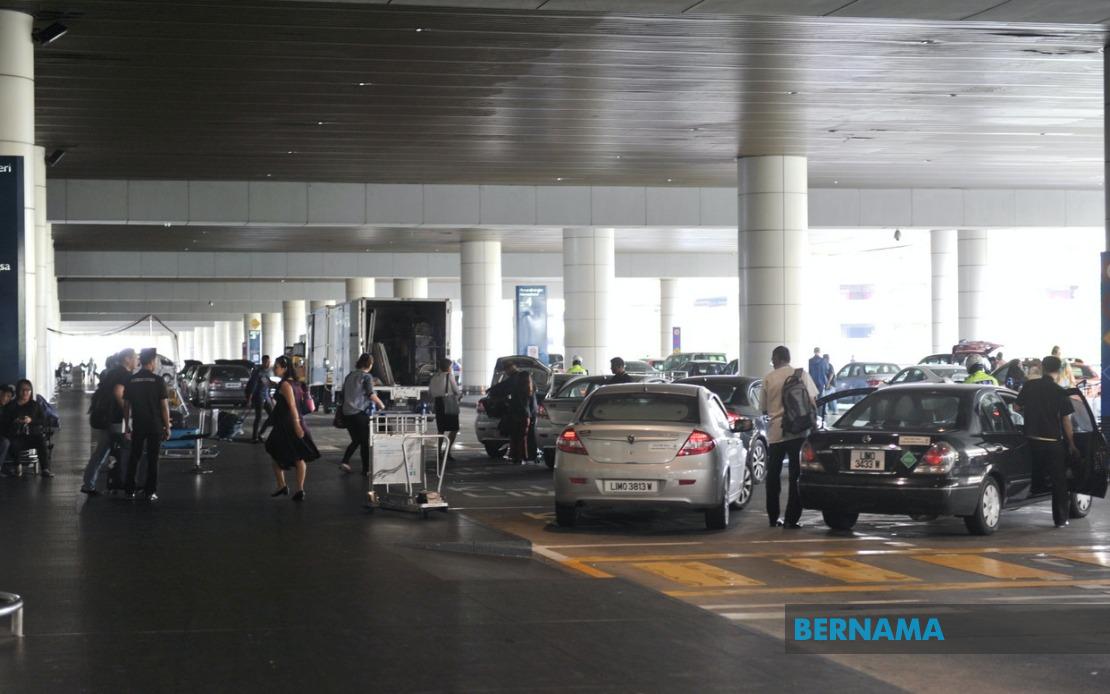
The Road Transport Department (JPJ) has announced a significant escalation in its enforcement operations against illegal passenger transport operators at Kuala Lumpur International Airport, moving to establish a permanent 24-hour presence across both terminals. The crackdown, formally launched as part of the KLIA Ops Ulat initiative, aims to eliminate the activities of unlicensed 'ulat' or taxi touts who solicit passengers outside official airport transport channels, a practice that authorities say undermines both consumer protection and Malaysia's international reputation.
Director-general Datuk Aedy Fadly Ramli outlined the enhanced strategy during a press conference in Sepang on July 6, revealing that the enforcement expansion follows direct instructions from the Ministry of Transport to address what has become a persistent operational challenge at the country's busiest airport hub. The initiative represents a substantial resource commitment, with the department effectively tripling its on-ground presence and restructuring operational protocols to ensure continuous monitoring rather than the current limited-hours coverage that leaves the airport vulnerable during early morning and late-night periods.
Currently, the enforcement reality at KLIA reflects significant capacity constraints. Only 17 JPJ personnel are assigned to Terminal 1, working in single shifts that operate from 7 am through midnight, creating a critical seven-hour enforcement gap when international flights begin arriving as early as 4 am. Terminal 2, despite handling substantial passenger volumes, has no dedicated JPJ personnel stationed on-site, effectively leaving that facility without official transportation regulation during much of the operating day. This patchwork coverage has inadvertently created optimal conditions for illegal operators to conduct business with minimal risk of detection.
The newly announced three-shift rotation system addresses these vulnerabilities by ensuring continuous patrols throughout each 24-hour cycle. By implementing permanent postings at both terminals, the JPJ acknowledges that the 'ulat' problem operates across all times and conditions, not merely during conventional business hours. This shift in approach reflects a recognition that effective enforcement cannot operate on a nine-to-five schedule when the airport operates continuously and passenger vulnerability to illegal solicitation is equally constant.
Beyond numerical expansion, the JPJ is upgrading the supervisory structure of its enforcement units. Senior-ranked officers will now lead operational teams at both terminals, a deliberate move to enhance decision-making capability, ensure consistent enforcement standards, and strengthen coordination between patrol units and airport management. This hierarchical reinforcement aims to transform enforcement from reactive problem-solving into proactive operational management, with trained supervisory personnel capable of rapidly responding to emerging patterns and coordinating with other airport security stakeholders.
The partnership framework between JPJ and Malaysia Airports Holdings Bhd (MAHB) adds an informational dimension to the enforcement strategy. By enhancing airport announcements through terminal displays and digital signage, the collaboration attempts to shift passenger behaviour through education and awareness rather than relying exclusively on enforcement. Passengers who understand the risks of using unlicensed services and the benefits of official transport options represent a self-reinforcing deterrent against illegal operators, as reduced demand naturally constrains their ability to function.
For Malaysian and regional travellers, these operations address genuine consumer vulnerabilities. Illegal 'ulat' operators typically charge inflated fares, lack insurance coverage, and operate vehicles that may not meet safety standards or maintenance requirements. Passengers who engage with these services have minimal recourse if accidents occur, fare disputes arise, or personal safety incidents develop. By eliminating these operators, the JPJ effectively protects the millions of annual passengers transiting through KLIA from exploitation and potential harm.
The initiative also reflects broader national security and image considerations. International airports function as first-impression gateways for inbound visitors, business travellers, and diaspora members returning to Malaysia. Perceptions of disorder, informal economy activities, or ineffective official services can damage Malaysia's competitive positioning as a destination and business hub. The 'ulat' phenomenon, visible to arriving passengers and documented in international travel blogs and forums, contributes to narratives of informal practices and weak governance—perceptions that the Ministry of Transport and JPJ clearly wish to correct.
Implementation begins the following week, with duty officers receiving permanent assignments starting immediately after formal instructions are issued. The phased approach suggests the JPJ will likely begin with Terminal 1 before expanding full coverage to Terminal 2, allowing operational lessons and staffing adjustments to inform the broader rollout. This measured timeline also provides time for personnel reallocation within the Selangor JPJ division, where Deputy Director Datuk Ahmad Kamarunzaman Mehat has received instructions to source and prepare additional officers for KLIA deployment.
The enforcement escalation carries implicit consequences for existing illegal operators. JPJ's stated commitment to refuse compromise and continue intensifying operations suggests zero-tolerance implementation without negotiation or graduated warnings. Individuals and networks currently profiting from unauthorized airport transport services face significantly increased detection probability and enforcement action, fundamentally altering the risk-reward calculation that has made the activity economically viable.
Regional and international comparisons suggest Malaysia is moving toward enforcement standards more aligned with major Asian airport operations. Singapore's Changi Airport, Bangkok's Suvarnabhumi, and Hong Kong's International Airport maintain strict regulations against unauthorized commercial passenger services, with equivalent or greater enforcement resources deployed. Malaysia's enhanced KLIA operations position the airport more competitively within regional aviation networks and demonstrate commitment to service standards expected by international travellers.
The broader policy context reveals transport authorities responding to accumulated operational evidence rather than sudden crisis. The 'ulat' phenomenon has persisted for years, suggesting previous enforcement efforts lacked sufficient resources or coordination to achieve sustained impact. The current expansion, therefore, represents a strategic reassessment—recognition that limited enforcement produces limited results, and that meaningful elimination of illegal activities requires sustained, adequately resourced commitment over extended periods.
Stakeholder responses will likely reveal operational complexities. Licensed taxi operators, ride-sharing companies, and official airport transport services may view the enforcement initiative favourably as competitive environment stabilization. International hotels, ground transportation companies, and tourism operators dependent on KLIA passenger flows also benefit from improved transport security and passenger confidence. Conversely, the crackdown will displace individuals currently earning income through illegal operations, creating social impacts beyond purely enforcement dimensions. The broader question remains whether enhanced enforcement alone can sustain long-term elimination of the practice or whether underlying economic factors will require complementary policy interventions to prevent recurrence.

