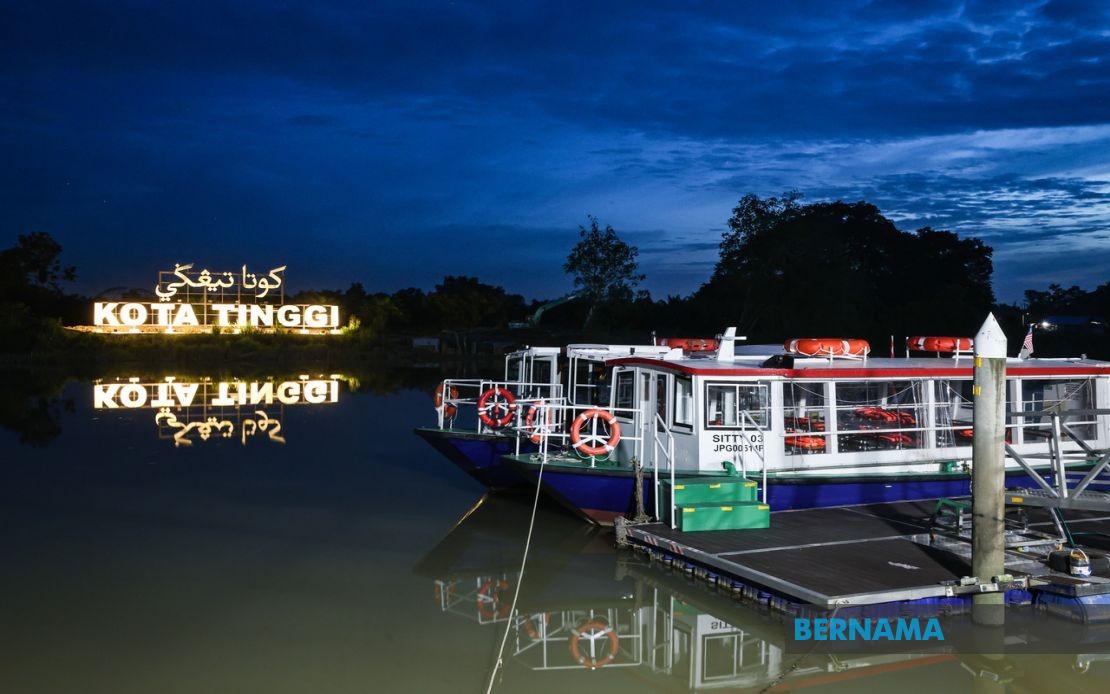
Kota Tinggi has emerged as an unexpected destination for experiential tourism, thanks to a carefully curated river journey that transforms a historical waterway into a living museum. The Kota Tinggi River Cruise (KTRC) operation along Sungai Johor represents a broader shift in how Malaysia's states are monetizing their cultural and natural assets, particularly as Visit Johor 2026 approaches. Starting from Pangkalan Kota Jetty, the 6.7-kilometre route whisks passengers away from the contemporary town centre into a landscape dominated by dense vegetation and the gentle rhythm of water, creating a stark contrast that appeals to those seeking respite from urban intensity.
What distinguishes this venture from generic boat tours is its explicit integration of sultanate history into the passenger experience. The Johor-Riau Sultanate's establishment following Malacca's collapse in the 16th century forms the historical backbone of the cruise narrative. Sungai Johor functioned as far more than mere transport; it was the arterial system sustaining early population centres like Johor Lama and Kampung Makam, settlements now visible primarily through archaeological remnants and the riverside graves of former rulers. This layering of environmental appreciation with historical education creates what tourism specialists recognize as high-value content—passengers engage cognitively whilst immersed aesthetically, strengthening memory retention and satisfaction.
The operational success metrics suggest genuine market appetite for this positioning. Aiman Haikal Mohd Azmi, KTRC's operations manager, disclosed that the cruise has attracted more than 10,000 visitors during its inaugural seven months, a figure indicating robust domestic interest and nascent international draw. The visitor composition proves particularly significant for Malaysia's tourism strategy: whilst domestic tourists form the foundation, the operator has successfully attracted regional visitors from Singapore, Indonesia, and Brunei. This cross-border appeal suggests the cruise's value proposition transcends purely Malaysian heritage interest, positioning it within Southeast Asia's emerging ecotourism network where cultural-natural heritage fusions command premium experiences.
The daytime offering capitalizes on iconic landmarks visible from the water. Titian Laksamana, a pedestrian suspension bridge, and the Johor River Barrage both serve as photographic anchors that have become increasingly important as social media amplifies visual tourism marketing. The approximately one-hour journey incorporates onboard audio narration and live guide commentary introducing legendary figures such as Sultan Mahmud Mangkat Dijulang and Laksamana Bentan, enabling passengers to construct historical narratives around visual landscape features. This interpretive layer transforms passive sightseeing into active historical engagement, substantially elevating perceived value.
The product diversification strategy reveals sophisticated revenue management. Beyond the core daytime cruise, KTRC operates a signature Mesmerising Fireflies package during evening hours, a nature-based offering that capitalizes on Sungai Johor's ecological attributes. Firefly colonies have become increasingly sought-after attractions across Southeast Asia as conservation awareness grows, yet remain relatively underdeveloped in Malaysian tourism marketing compared to competitors like Thailand and Vietnam. The Dining Cruise package represents a third revenue stream, converting the journey itself into a hospitality experience by introducing culinary elements. This multipronged approach addresses different consumer preferences and spending capacities, maximizing utilization of the same core asset.
Pricing architecture reflects mid-market positioning. Daytime adult tickets at RM20 remain accessible to Malaysian middle-income households whilst establishing profitability. The differentiated pricing for children (RM15), seniors, and persons with disabilities (RM10) demonstrates inclusive design thinking increasingly expected by conscious consumers. Evening cruise premiums—RM23 for adults, RM17 for children, RM13 for concessions—accurately reflect scarcity and enhanced experience value. This graduated approach likely optimizes volume-versus-margin dynamics more effectively than flat pricing would achieve.
Operational scheduling reveals demand-driven sophistication. Weekday operations from 9 am to 7 pm accommodate both domestic tourists and local leisure seekers, whilst extended hours until 10 pm on Friday through Sunday capture weekend family and regional visitor traffic patterns. Hourly departures provide convenient flexibility without requiring passengers to coordinate around specific timetable constraints, a customer experience enhancement that competing attractions often overlook. This operational design reduces friction in the purchasing decision.
The broader policy implications deserve careful attention. Aiman Haikal's advocacy for sustained government support emphasizes that heritage-nature tourism serves dual functions: ecosystem preservation and economic distribution to local communities. This framing aligns with Malaysia's sustainability rhetoric whilst presenting concrete economic argument for environmental stewardship. As urbanization and industrial development intensify pressure on Malaysian waterways, enterprises like KTRC create financial constituencies favouring river conservation, potentially shifting political calculations around resource allocation.
For Johor's tourism positioning within Malaysia's regional hierarchy, this development proves strategically significant. Whilst Kuala Lumpur dominates international arrivals and Langkawi captures beach tourism, Johor has historically struggled for distinct branding beyond Legoland and shopping destinations. River-based heritage tourism offers differentiation, particularly as Singapore's proximity makes cultural-experiential offerings attractive to affluent regional visitors seeking authenticity. The successful early performance suggests potential for replication across other Johor rivers, potentially establishing the state as a heritage tourism destination genuinely competitive with internationally-recognized offerings.
The timing within the Visit Johor 2026 framework indicates strategic alignment with state promotional calendars. This tourism initiative will likely receive increased visibility and potentially government co-marketing during the official campaign period. The convergence of operational success, product diversity, regional visitor attraction, and government policy support creates momentum that could accelerate market awareness and visitation. For Malaysian tourism stakeholders and investors, Kota Tinggi River Cruise demonstrates how integrating natural assets with cultural interpretation produces economically viable heritage tourism that requires neither major infrastructure investment nor disruption to existing communities.

