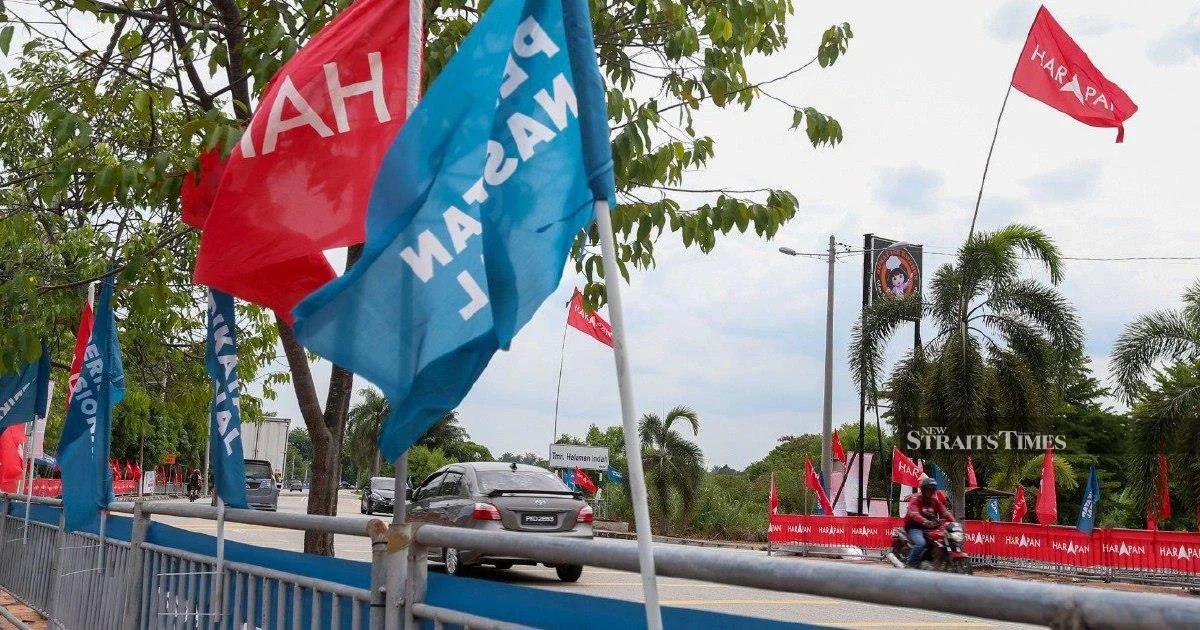
The 16th Johor state election officially entered its active phase today as nomination day commenced simultaneously across all 56 constituencies throughout the southern state. This marks the formal beginning of the electoral race, with candidates now able to file their nominations and begin campaigning in earnest across the diverse communities and constituencies that make up Malaysia's third-largest state by population.
Johor's electoral landscape carries significant implications not only for the state but for the broader Malaysian political landscape. As the second-largest state economy and a bastion of strategic importance along the Straits of Johor, developments here often signal broader political trends that ripple across the nation. The involvement of all 56 constituencies in simultaneous nomination procedures reflects the scale of electoral mobilisation required in a state of Johor's geographic and demographic complexity.
The nomination process itself represents a critical juncture in the electoral calendar. Candidates must navigate formal requirements and deadlines while constituencies across varying demographics—from urban centres like Johor Baru, Kota Tinggi, and Kulai to more rural and semi-rural areas—prepare to receive campaign visits and policy pledges. This nationwide simultaneous process ensures uniformity in the electoral calendar and prevents strategic advantages that might arise from staggered nominations across different regions.
For political parties contesting in Johor, this election represents a test of their respective ground organisations and messaging strategies. The state's diverse voter base, encompassing Malay-Muslim, Chinese, Indian, and indigenous communities, requires parties to articulate positions on education, economic development, infrastructure, and matters affecting daily life. The nomination phase allows candidates to formally introduce themselves and their platforms to constituency election committees and local stakeholders.
Johor's electoral significance extends beyond state politics. As a key economic hub with major ports, manufacturing sectors, and growing service industries, state-level decisions on land planning, licensing, and resource allocation directly affect business communities. The election results will determine which coalition or party leads the state development agenda for the next five years, with consequences for investment climate, infrastructure projects, and economic policy directions.
The 56-constituency structure itself reflects Johor's demographic distribution. Constituencies range widely in voter populations, urbanisation levels, and economic profiles. Urban constituencies face different policy priorities than agricultural or industrial areas, presenting candidates with the challenge of crafting locally resonant messages while maintaining broader party platforms. The nomination process allows parties to gauge candidate quality, community acceptance, and competitive positioning in each area.
Campaign dynamics in Johor often involve coalition politics and inter-party negotiations. Depending on electoral pacts and strategic alliances, some constituencies may see straight fights between two major contenders while others feature multi-cornered contests. Nomination day reveals these strategic calculations as party nominations become public, showing which parties are contesting directly against each other and where alliances have been formalised through agreed candidate placements.
For voters, nomination day marks the beginning of the formal campaign period when candidates intensify their engagement with constituents. This is when campaign machinery becomes visible—through ceramahs, walkabouts, social media campaigns, and door-to-door canvassing. The quality of candidates fielded and their stated positions on local and state issues will shape the tenor of campaigning across the diverse 56 constituencies over coming weeks.
The electoral commission's coordination of nominations across all 56 constituencies simultaneously requires substantial administrative effort and logistical planning. Each constituency has designated nomination centres, returning officers, and specific timelines for filing and verification. This coordinated approach maintains electoral integrity while accommodating the practical realities of managing nominations across Johor's extensive geographic area.
Historically, Johor elections have witnessed competitive three-cornered contests in several constituencies, with outcomes often decided by relatively tight margins. The 16th election continues this tradition of competitive politics. Nomination day sets in motion the mechanisms through which voter preferences across these 56 constituencies will ultimately determine state political leadership and the direction of policies affecting millions of Johoreans.
Looking forward, the nomination phase provides the first concrete indication of party strategies, candidate selections, and anticipated competitive dynamics. Observers will closely watch nomination results to assess party strength in different regions, identify potential swing constituencies, and evaluate the quality of candidate lineups fielded by major contenders. These early signals often provide useful indicators of likely electoral trajectories as formal campaigning unfolds.

