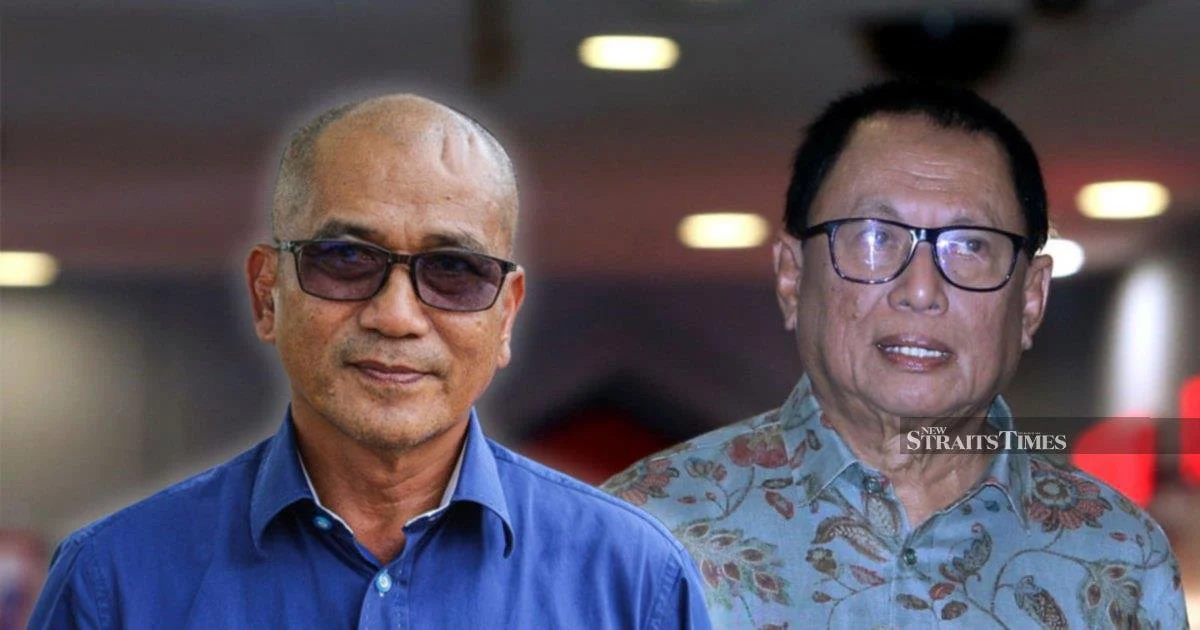
The leadership of Umno in Johor has mounted a vigorous defence against accusations levelled by Datuk Dr Mohd Puad Zarkashi, the former speaker of the state legislative assembly, rejecting his version of events surrounding the June 1 dissolution of the chamber. Party figures in Johor Baru characterised the allegations as serious defamatory statements, signalling they intend to challenge the narrative being constructed around the controversial decision to wind up the assembly.
The timing of Puad Zarkashi's public comments represents a notable escalation in the political tensions that have simmered beneath Johor's governance structure in recent months. As the previous presiding officer of the state assembly, Puad Zarkashi held a position that afforded him considerable insight into the legislative dynamics and inter-party negotiations that preceded the dissolution. His decision to step into public discourse with critical observations has consequently drawn serious pushback from the state party hierarchy, which perceives his statements as a direct challenge to the rationale and processes that guided their actions.
The dissolution of state assemblies carries profound constitutional and political implications for Malaysia's federal structure. Johor, as one of the nation's most politically significant states and a traditional stronghold of Umno influence, commands particular attention whenever its legislative machinery undergoes disruption. The June 1 dissolution therefore represented not merely a routine administrative matter but a watershed moment that could reshape the political composition and trajectory of the state during a period of broader realignment across Malaysia's political landscape. Understanding the background to this decision thus requires careful examination of the factional dynamics, strategic calculations, and governance challenges that informed the choice.
The accusations emanating from Puad Zarkashi appear to centre on questions of propriety, legitimacy, and decision-making authority regarding how the dissolution process unfolded. State Umno leaders have countered by questioning the accuracy and motivations behind his claims, insisting that their actions adhered to constitutional procedures and reflected genuine concerns about governance or political stability within the state assembly. This fundamental disagreement over the justification and execution of the dissolution process reflects deeper divisions within Johor's political establishment that extend beyond simple partisan squabbling.
The positioning of Puad Zarkashi as a dissenting voice from within the traditional establishment carries symbolic weight that extends beyond his individual status. As a former presiding officer, he occupied a post requiring political neutrality and institutional loyalty, making his emergence as a critic particularly notable. His willingness to challenge the state leadership's narrative suggests either a principled objection to the manner in which proceedings were conducted or a broader political rupture that has fractured previously solid coalitions. The nature of his specific allegations remains critical to understanding whether this represents isolated discontent or evidence of systemic grievances within Johor's political structure.
For Malaysian observers tracking developments in state-level politics, the Johor situation illuminates the intricate power dynamics that persist beneath the surface of party structures that appear monolithic from the outside. Umno, despite its dominance in Johor, contains within its ranks diverse interests, networks, and competing visions for governance that occasionally surface in public disputes. The confrontation with Puad Zarkashi thus provides a window into these internal complexities and the limits of party discipline when senior figures choose to voice principled opposition to major decisions.
The stakes underlying this controversy extend to questions about accountability and institutional integrity within state governance. The dissolution of an assembly disrupts established legislative calendars, can affect pending business, and potentially shifts the distribution of political power depending on electoral outcomes. If Puad Zarkashi's allegations carry substance, they would strike at the heart of whether the dissolution process followed proper constitutional channels and reflected legitimate governance concerns or represented instead a manoeuvre motivated primarily by factional advantage or procedural irregularity. Umno's categorical rejection of his claims accordingly functions as a defence of both the decision itself and the processes through which it was executed.
The regional dimensions of this intra-Umno friction warrant attention from observers monitoring Malaysia's wider political stability. Johor's position as an economically significant state with substantial population and strategic geographic location means that its political health carries ramifications extending beyond state boundaries. Should the current dispute escalate or reveal deeper schisms within the state party structure, it could potentially affect Umno's cohesion at national level during a period when the party is navigating significant challenges to its historical preeminence in Malaysian politics.
Moving forward, the trajectory of this dispute will depend partly on whether Puad Zarkashi produces substantive documentation or testimony supporting his allegations, and whether other figures within Johor's political establishment choose to publicly align with his position or publicly endorse the state leadership's defence. The nature of the response from the broader Umno membership and from non-partisan observers assessing governance standards will likely influence how extensively this controversy reverberates through Johor's political culture and whether it becomes a defining episode in the state's recent political history.

