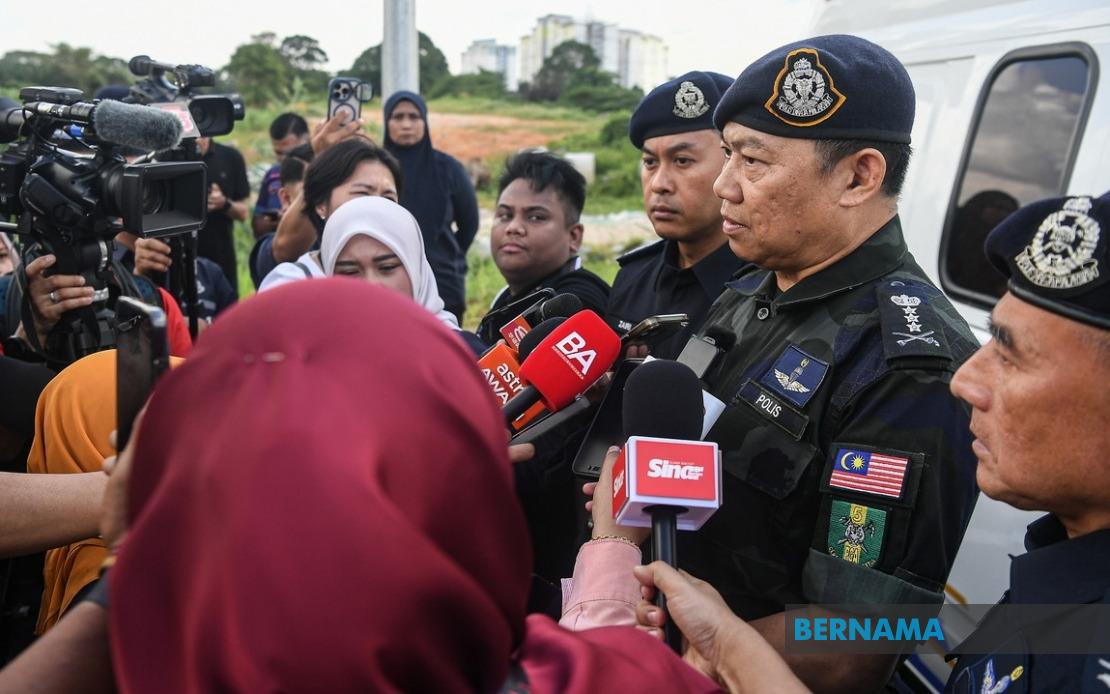
The nomination phase for Johor's 16th state election proceeded without incident on June 27, marking a successful start to what promises to be a closely watched electoral contest in Malaysia's southern powerhouse. All 56 nomination centres across the state operated seamlessly throughout the day, reflecting meticulous planning by election authorities and security forces tasked with overseeing the democratic exercise.
Johor police chief Datuk Ab Rahaman Arsad confirmed that no disruptions marred the proceedings, a reassuring sign for a state that has experienced electoral turbulence in recent years. The absence of reported incidents at any of the 56 venues underscores the effectiveness of coordination between the Election Commission and law enforcement agencies, who understood the importance of protecting the integrity of the nomination process as a foundation for fair elections.
The police deployment was substantial and highly visible. Some 4,832 officers and personnel were stationed across nomination centres statewide, a significant mobilisation reflecting authorities' determination to prevent any breach of public order or violation of electoral regulations. This show of force served multiple purposes: deterring potential troublemakers, reassuring candidates and political party representatives, and ensuring that the democratic process could unfold without fear of intimidation or violence. The scale of the operation illustrated how seriously Malaysia's security apparatus treats electoral integrity.
Campaign permits have already begun flowing through the approval system. Police reported having authorised 26 permits across the state by the time of Ab Rahaman's address to media, with expectations that additional permits would be granted as the campaign period progressed. This steady issuance reflects an environment where political parties and candidates are actively preparing their ground games ahead of the main push towards polling day. The permit system itself represents an important regulatory mechanism, allowing authorities to track and manage campaign activities while preserving parties' freedom to engage voters.
Datuk Ab Rahaman took the opportunity to remind all contesting parties and candidates of their responsibilities under Malaysia's electoral framework. His message emphasised the need for responsible campaigning conduct and strict adherence to election laws and regulations—a timely clarification in a political environment where campaign rhetoric can sometimes exceed acceptable bounds. Such reminders are essential in maintaining public confidence that all players are operating within agreed-upon rules.
The police chief went further in warning against any actions that could compromise public order, signalling that security forces would not tolerate misconduct regardless of which party or candidate engaged in it. This even-handed posturing is crucial for the perception of impartiality, a foundational requirement for elections to be viewed as legitimate by all stakeholders. Ab Rahaman's assertion that police were prepared to respond to any situation during the campaign period conveyed both capability and readiness to intervene if necessary.
For Malaysian and Southeast Asian observers, Johor's electoral process carries significance beyond state-level politics. The state represents Malaysia's economic and political weight in the southern region, home to major industrial zones and substantial population centres. An election conducted smoothly and peacefully sets a positive tone for democratic practice, particularly important given regional concerns about electoral integrity and political stability across Southeast Asia.
The Election Commission has structured the timeline with early voting scheduled for July 7 and the main polling day set for July 11. This compressed calendar reflects standard Malaysian electoral practice, giving candidates and parties roughly two weeks to campaign and reach voters. The schedule appears workable without placing undue pressure on logistics or security arrangements, though the intensity of activity in these 16 days will test the administrative capacity of both election officials and contesting parties.
Johor's electoral history provides context for understanding the significance of a smoothly executed nomination day. The state has experienced periods of political turbulence, including internal party conflicts and leadership transitions that have occasionally spilled over into public discourse. The ability to conduct the fundamental procedural steps—nomination, candidacy verification, candidate registration—without disruption suggests that political actors have internalised the importance of maintaining electoral decorum, at least at these formal stages.
The successful nomination process also reflects confidence among political parties that they can engage in competitive electoral activity within the bounds of law and order. Parties have fielded candidates across the 56 state seats, indicating broad participation and acceptance of the electoral framework. This willingness to contest within established rules, even among parties with strong ideological differences, reinforces democratic norms in Malaysia's most competitive states.
Looking ahead, the campaign period will test whether the orderly conduct visible on nomination day continues through July 11. Ground campaigns, public rallies, and media engagement will create more opportunities for tensions to surface, making the role of police and election authorities even more critical in the coming weeks. The foundation laid by June 27's incident-free proceedings suggests authorities are well-positioned to manage the electoral process through its conclusion, though vigilance will remain essential throughout the campaign period and on polling day itself.

