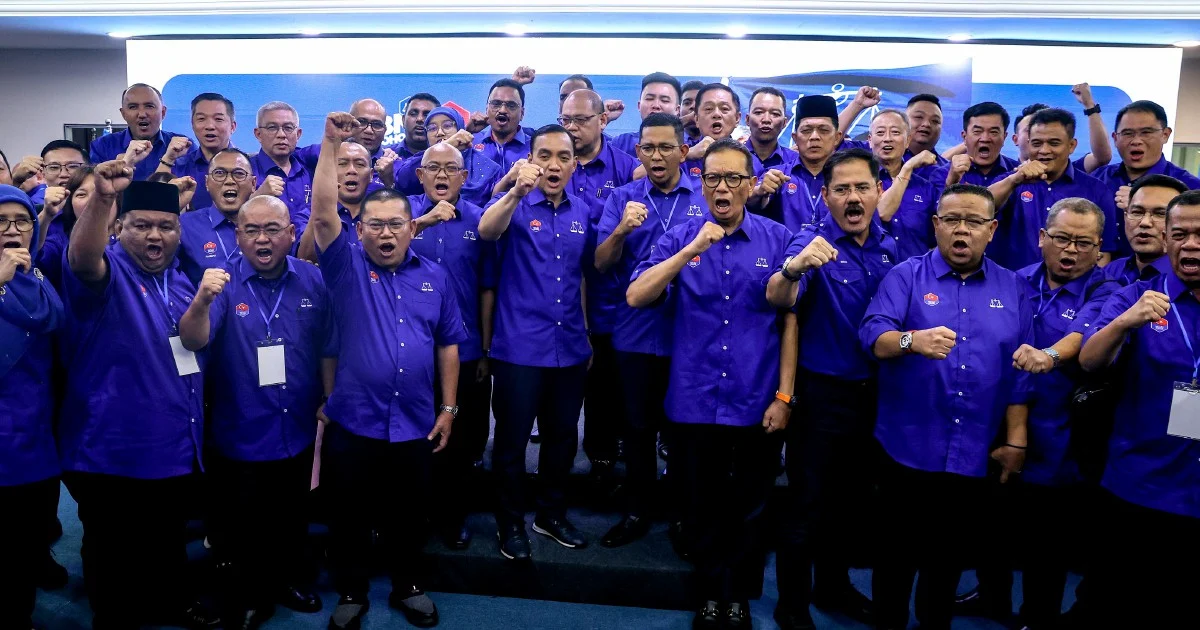
Months of speculation about a potential electoral pact between Barisan Nasional, PAS, and Parti Wawasan Negara (Wawasan) in the Johor state election came to an abrupt end when the BN coalition announced its comprehensive slate of candidates in Johor Baru, signalling a decisive shift in the peninsula's political calculations and effectively freezing out the smaller Wawasan party from contention.
The candidate announcement represents a crucial moment in Johor's political architecture, where BN had long been expected to pursue strategic partnerships to consolidate opposition to Pakatan Harapan. However, the coalition's decision to proceed without allocating any nomination slots to Wawasan representatives indicates internal prioritisation has shifted considerably, with party leadership apparently deciding that the benefits of maintaining a tighter alliance structure outweigh the broader coalition-building approach that had been under discussion.
Wawasan's exclusion is particularly significant given the party's efforts to position itself as a viable third force in Malaysian politics. The party, which has invested considerable resources in building presence across various states, now faces the reality that neither BN nor Pakatan appears willing to allocate it significant space in upcoming electoral contests. This leaves the emerging party in a precarious strategic position as it seeks to establish credibility and demonstrate electoral viability to voters sceptical of untested political entities.
The Johor development carries broader implications for Malaysian politics beyond the state boundary. The decision signals that BN, despite its need for coalition-building to compete effectively, maintains internal confidence in its ability to contest state elections relying primarily on its three core components: UMNO, MCA, and MIC. The move suggests party strategists believe that attempting to accommodate additional partners creates complications in vote distribution and candidate selection processes without necessarily delivering proportional returns at the ballot box.
PAS's position in the equation warrants particular attention, as the Islamist party has been exploring its own electoral strategies across multiple states. The BN-Wawasan freeze-out does not necessarily indicate PAS exclusion from broader negotiations, though the lack of explicit cooperation frameworks demonstrates that Malaysian coalition politics remains fluid and subject to rapid recalibration based on internal party calculations rather than formal agreements.
For Johor specifically, the candidate announcement means voters will encounter a more conventional contest structure than had been anticipated just weeks earlier. The state election will likely centre on competition between BN and Pakatan, with Wawasan relegated to fringe status despite its recent profile-raising efforts. This outcome could prove either positive or negative for the state's electoral dynamics, depending on whether voters perceive a two-horse race as clarifying or limiting their choices.
Wawasan's experience reflects the brutal mathematics of Malaysian electoral competition, where smaller parties struggle to gain traction without either major coalition backing or exceptional local organisational capacity. The party's strategic challenges extend beyond the Johor situation, as similar calculations will likely play out in other state and federal electoral contexts. Without securing coalition partnerships or demonstrating independent electoral strength, Wawasan faces questions about its sustainability as a political force capable of meaningful parliamentary representation.
The candidate line-up BN ultimately presented reflects internal negotiations that prioritised maintaining coalition stability and rewarding established party structures over experimental partnership-building. For UMNO, allocating constituencies to party allies rather than external partners protects patronage networks and ensures elected representatives maintain primary loyalty to the coalition's traditional hierarchy. MCA and MIC, though junior partners in BN, similarly benefit from the exclusionary approach, as opening doors to external parties could eventually threaten their existing allocations and influence within the coalition framework.
From a voter perspective, the Johor election will now proceed with established political actors competing on familiar terrain. Pakatan's own candidate strategy, whatever form it ultimately takes, will be formulated against a BN slate composed entirely of traditional coalition members. This clarity may assist voters in understanding party positioning, though it simultaneously removes the wild-card element that Wawasan's potential involvement might have introduced into an otherwise predictable electoral script.
The broader significance of this announcement extends to how Malaysian political parties approach coalition formation in an era of fractionalised electoral blocs. Rather than attempting to build grand alliances encompassing multiple parties, BN's Johor strategy suggests preference for tighter, more manageable partnerships built on tested relationships and established power-sharing arrangements. This approach trades potentially broader support for organisational coherence and reduced internal tensions, a calculation that party leadership apparently judged favourably when weighing electoral prospects.
Moving forward, Johor's election will test whether this more conservative coalition approach generates electoral success or whether voters punish BN for its perceived inflexibility by backing Pakatan alternatives. The outcome may significantly influence how both coalitions approach candidate selection and partnership strategies for other pending electoral contests, making the Johor election consequential not merely for the state's governance but for defining coalition politics patterns across the broader political landscape.