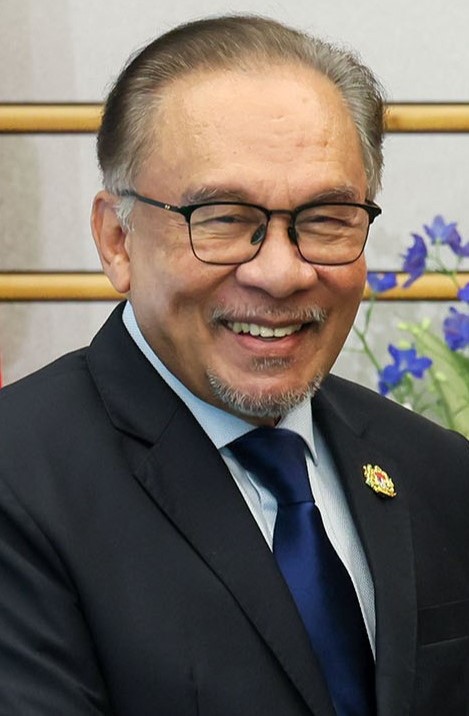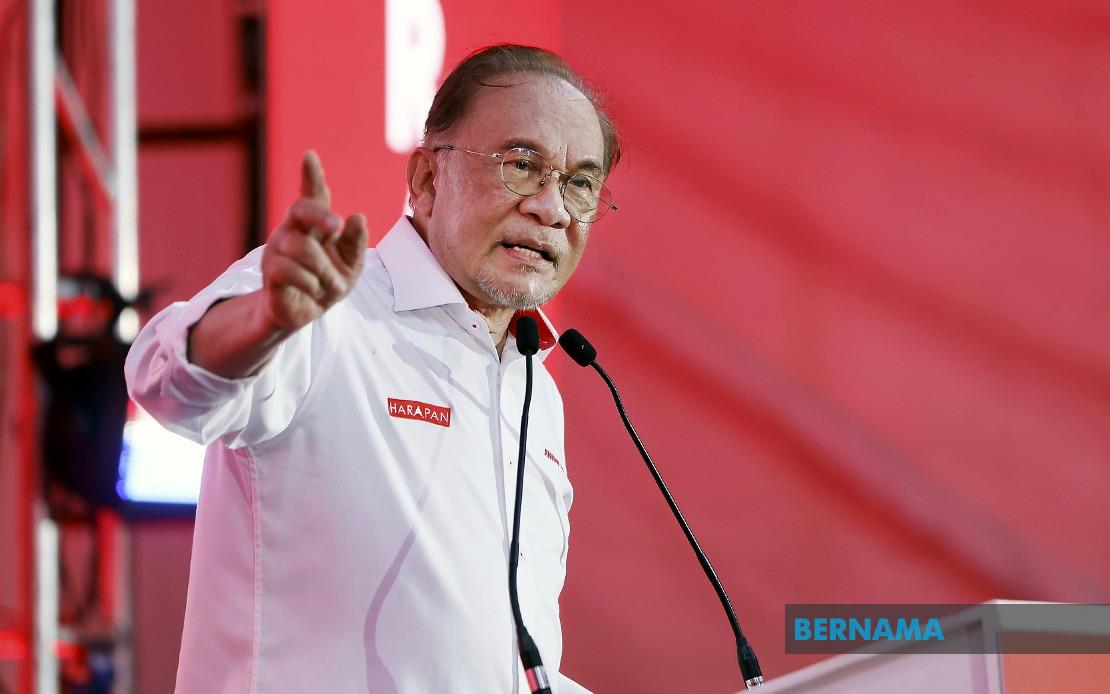
Prime Minister Datuk Seri Anwar Ibrahim has underscored the Federal government's financial commitment to Johor, revealing that the state has received RM16 billion in development allocations and programmes despite contributing only RM14 billion in revenue to federal coffers over the past three years. Speaking at a Pakatan Harapan candidate announcement ceremony in Tangkak on June 22, Anwar emphasised the significance of this disparity, framing it as evidence of Putrajaya's dedication to advancing Johor's progress and prosperity during a crucial phase for the state's political landscape.
The Prime Minister, who holds the concurrent portfolio of Finance Minister, presented detailed figures from the Finance Ministry's records to substantiate his claims about the state's fiscal relationship with the Federal government. According to his disclosure, Johor's tax and non-tax revenue contributions to Putrajaya between 2023 and 2025 amounted to approximately RM14 billion. However, the corresponding financial outflows from the Federal government to Johor through capital development projects, recurrent operational expenses, and targeted assistance schemes totalled RM16 billion during the same period. This RM2 billion net transfer to the state represents a deliberate policy choice by the MADANI Government to prioritise Johor's economic and social development.
Anwar stressed the importance of communicating this fiscal reality to Johor's population, arguing that such transparency was essential for the public to comprehend the depth of Putrajaya's commitment to the state's advancement. Rather than simply extracting revenue, he suggested, the Federal government had channelled resources back into projects and programmes designed to improve living standards and create economic opportunities for Johorians. This messaging appears strategically timed, coming as Johor prepares for state elections and amid ongoing political competition for the state's support.
A significant component of Anwar's presentation centred on the substantial increase in operating expenditure allocations to Johor under the current MADANI Government compared to its predecessor. During the previous administration, Johor received approximately RM6 billion to RM7 billion annually in operational funding. Under the current government, this allocation has risen to RM8.7 billion annually, representing an increase of between RM1.7 billion and RM2.8 billion per year. This upward trajectory demonstrates that despite broader fiscal constraints facing the nation, the Federal government has prioritised augmenting resources available to Johor's state administration for routine spending on services and governance.
The Prime Minister presented a forward-looking picture as well, citing provisional 2026 budget allocations to illustrate ongoing Federal support. According to Anwar's data, Johor ranks as the third-largest beneficiary of combined operating and development expenditure allocations nationally, trailing only Sabah and Sarawak. Operating expenditure to Johor is projected to reach RM8.7 billion in 2026, up from RM7 billion in 2022, while development expenditure is expected to surge from RM2.3 billion in 2022 to RM4.8 billion in 2026. This doubling of development spending over four years signals substantial infrastructural and capital investments that the Federal government is directing toward Johor's economic transformation and modernisation.
Beyond standard departmental allocations, Johor has also been a major recipient of targeted welfare assistance schemes introduced by the MADANI Government. According to Anwar, the state ranks second nationally in distributions under the Sumbangan Tunai Rahmah and Sumbangan Asas Rahmah programmes, trailing only Selangor. These direct cash assistance initiatives, designed to provide relief to lower and middle-income households, have channelled substantial sums to eligible Johor families, supplementing the state's conventional development and operational budgets.
For Malaysian readers and policymakers, these figures carry several implications. First, they suggest that the Federal government is consciously directing a disproportionate share of national resources toward Johor, possibly reflecting both the state's economic significance and its political importance. As Malaysia's industrial and agricultural heartland with a substantial population, Johor's development has cascading effects for the entire nation's economic performance. Second, the increase in development expenditure to Johor signals that Putrajaya is banking on state-level infrastructure and capital projects to drive growth, employment, and competitiveness in a critical economic zone.
The timing of Anwar's announcement, made during campaign activities for upcoming state elections, raises questions about how such fiscal data might influence voter perceptions and electoral outcomes. By emphasising that Johor receives more in Federal spending than it contributes in revenue, the government effectively argues that it has not neglected the state and that development priorities favour Johor. However, critics might counter that such presentations require deeper scrutiny into the quality, effectiveness, and equity of spending, as well as how funds are distributed across Johor's various districts and demographic groups.
The fiscal relationship between the Federal government and Johor also reflects broader patterns in Malaysia's federal system, where resource-rich states like Sabah and Sarawak command substantial allocations partly due to their size and special constitutional arrangements. Johor's position as the third-largest recipient, despite its more developed economic base compared to some other states, indicates that Federal spending decisions incorporate multiple criteria including population, development needs, and strategic priorities. Understanding these patterns is crucial for ordinary Malaysians seeking to comprehend how their tax contributions are allocated and for state administrators planning long-term development strategies.
Moving forward, stakeholders in Johor will be watching closely to ensure that promised allocations materialise as projects and programmes that tangibly benefit communities. Infrastructure delays, project cancellations, or funds diverted to lower-priority activities could undermine the government's fiscal narrative. Conversely, successful completion of major development initiatives funded through these allocations would validate the government's claim of prioritising Johor's advancement. The credibility of Federal government fiscal commitments to states ultimately depends on translating budget allocations into on-the-ground outcomes that residents can experience and evaluate.