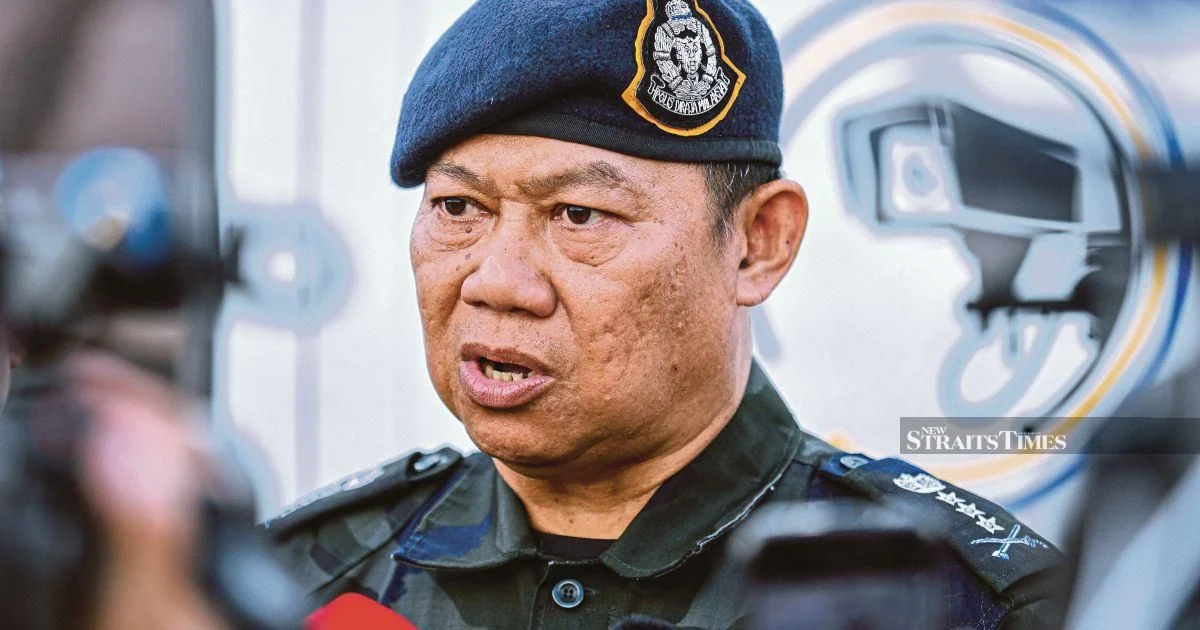
Johor police have begun formal investigations into three separate matters following a batch of seven election-related complaints that have been submitted to authorities since nomination day began. The enforcement action underscores growing vigilance across law enforcement agencies as the state prepares for its electoral process, with authorities attempting to maintain order and ensure compliance with electoral regulations during this sensitive political period.
The decision to investigate three of the seven reported incidents suggests that police have assessed those cases as potentially involving breaches of electoral conduct or related offences that warrant formal inquiry. This selective approach to investigation indicates that the remaining four reports may have been categorised differently—either as lacking sufficient grounds for prosecution, requiring further preliminary assessment, or not meeting the threshold for formal investigation papers to be opened.
Election-related reports during the nomination phase typically encompass allegations spanning a spectrum of activities: irregular campaign financing, violations of electoral advertising rules, inflammatory political speech that breaches the law, impersonation or intimidation of voters, and breaches of nomination procedures. The Johor police force's responsiveness in opening these investigations demonstrates the institutional machinery for electoral oversight is functioning, though the specific nature of the three cases under investigation remains to be clarified.
For Malaysian voters and political observers, the opening of these investigation papers carries significance beyond the immediate Johor context. Electoral integrity represents a cornerstone of democratic legitimacy, and any breaches—whether in campaign financing transparency, advertising standards, or voter conduct—can undermine public confidence in the outcome. The police force's documented action sends a signal that violations will not be overlooked, potentially deterring prospective offenders from engaging in electoral misconduct during the remainder of the campaign period.
The timing of these reports during the nomination phase is noteworthy, as this represents a crucial juncture when candidates are officially registering their candidacy and campaign machinery is being activated. Violations detected early in the process allow authorities to intervene before campaigns gain momentum and before larger-scale infractions can accumulate. This early-stage enforcement activity may contribute to a cleaner overall electoral process by establishing deterrent effects at the outset.
Johor's electoral conduct carries implications beyond state boundaries given the state's economic and political significance within Malaysia's federation. As one of the country's most developed and populous states, with substantial urban centres like Johor Baru and Iskandar Puteri, the state's electoral integrity affects broader perceptions of democratic health across Southeast Asia's largest economy. International observers and foreign media often scrutinise Malaysian electoral processes as barometers of the nation's democratic maturity.
The police investigation framework operates within the broader ecosystem of electoral supervision, which includes the Malaysian Election Commission, political party regulations, and various statutory bodies. Coordination among these entities during the investigation phase proves essential to ensure consistent standards and prevent jurisdictional confusion. The police force's proactive stance complements the Election Commission's administrative responsibilities and demonstrates a multi-institutional approach to electoral governance.
For candidates and campaign teams operating in Johor during this period, the knowledge that police are actively investigating election-related reports likely influences campaign planning and decision-making. Risk-averse campaign managers may exercise heightened caution in advertising placement, funding mechanisms, and rally conduct to avoid triggering investigations themselves. This self-regulatory effect, triggered by visible enforcement action, can contribute to overall electoral propriety even beyond the specific cases under investigation.
The investigation outcomes will become significant precedents for future electoral conduct in Johor and potentially across Malaysia. Should any of the three cases result in charges and convictions, they establish benchmarks for what constitutes prosecutable electoral offences and what consequences await violators. Conversely, if investigations conclude without charges, they signal either that the preliminary suspicions were unfounded or that the conduct, while potentially problematic, falls outside the scope of criminal electoral law.
Going forward, transparency regarding the nature of these three investigations and their eventual outcomes will be important for maintaining public confidence in both the electoral process and law enforcement institutions. Malaysian media and civil society organisations typically monitor election-related investigations closely, and public communication about the cases—within operational constraints—helps contextualise police action and demonstrates accountability within the investigative system.
The seven initial reports also suggest that various stakeholders—including party members, individual voters, and potentially electoral observers—have engaged with the formal complaint mechanisms available to them. This civic participation in reporting suspected violations represents healthy democratic engagement, assuming the reports themselves are made in good faith rather than as harassment tools. The police force's selective investigation approach suggests they have applied judgment in distinguishing credible allegations from potentially malicious complaints.
As the Johor electoral campaign progresses, these early investigations may serve as templates for how police approach subsequent election-related reports. The three active cases demonstrate that investigation capacity exists and will be deployed when warranted. Whether this investigation momentum is sustained throughout the remainder of the nomination and campaign periods will provide important indicators about police effectiveness in maintaining electoral standards during what is often a contentious and high-stakes political exercise in the state.

