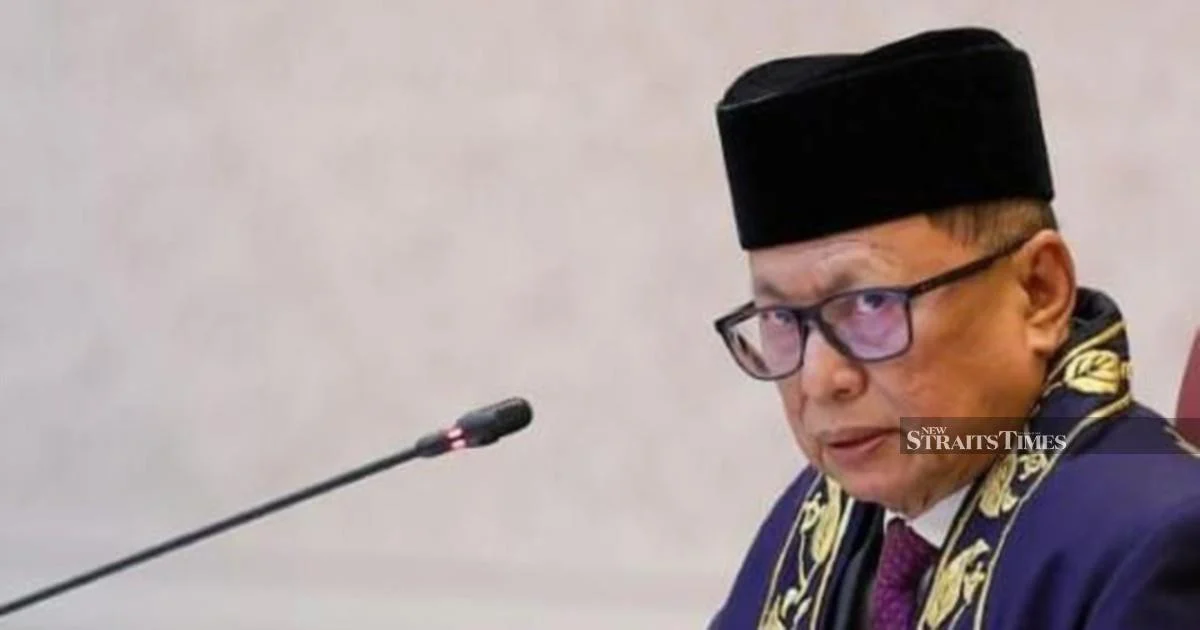
Johor PKR has publicly challenged former Umno supreme council member Datuk Dr Mohd Puad Zarkashi to provide concrete evidence supporting his contentions regarding alleged interference by the Johor palace in state political matters, according to statements made by the party in Pontian.
The confrontation between the opposition coalition and the veteran Umno politician reflects deepening tensions within Johor's political landscape, where accusations of institutional involvement in governance decisions have become increasingly common fodder for public discourse. The demand comes at a time when the state continues to navigate complex coalition dynamics and competing claims about the proper role of traditional institutions in democratic processes.
Puad's assertions about palace involvement in political developments have circulated widely in recent months, generating considerable debate among political observers and analysts tracking Johor's volatile situation. The former Umno figure, who has held significant positions within the party hierarchy, has leveraged his platform to raise questions about decision-making processes at the state level, though the exact nature and scope of his allegations remain contested.
For Malaysian politics, particularly in Peninsular Malaysia's second-largest state, questions about the appropriate boundaries between traditional royal institutions and elected government carry profound constitutional implications. Johor maintains one of the country's most powerful sultanates, and historical patterns of palace-government interaction in the state have periodically become flashpoints for debate about institutional roles and political legitimacy.
PKR's challenge represents a calculated tactical response designed to shift the burden of proof onto Puad while simultaneously asserting PKR's commitment to transparent governance and institutional propriety. By demanding evidence rather than engaging directly with substantive claims, the party strategy aims to either extract concrete details from Puad or damage his credibility should he struggle to provide specifics. This approach reflects standard opposition playbook tactics in Malaysian politics, where allegations without documented support often fade from public discourse under sustained pressure.
The timing of these confrontations matters considerably within Johor's political calendar. The state has experienced significant volatility regarding coalition arrangements and institutional relationships, with multiple realignments affecting the balance of legislative power. Accusations about palace influence gain particular resonance during periods when political outcomes appear unexpected or when smaller parties perceive themselves disadvantaged by decisions made behind closed doors.
Datuk Dr Mohd Puad Zarkashi's standing as a former Umno supreme council member lends particular weight to his allegations, given the access and insights such positions typically provide. However, his recent trajectory following departures from various political formations has itself become subject to scrutiny regarding motivations and reliability. Understanding whether his claims emerge from principled institutional concerns or represent expressions of factional disputes within Johor's political ecosystem remains crucial context for evaluating these accusations.
PKR's intervention signals broader concerns within the coalition about narratives that may erode public confidence in democratic institutions or suggest that traditional rulers exercise inappropriate influence over state governance. The party holds significant representation in Johor and maintains interests in protecting institutional frameworks that would support coalition governance should opportunities arise for government formation.
The palace's own position in these disputes remains characteristically formal and constrained, as Johor's institution traditionally operates within constitutional parameters while avoiding direct engagement in partisan political controversies. This dynamic creates space for others to make claims about royal involvement without immediate institutional refutation, complicating efforts to establish factual clarity.
Regional observers of Malaysian politics recognize that institution-related allegations in Johor carry implications extending beyond state boundaries. Johor's political weight, economic significance, and historical prominence within peninsular political structures mean that governance controversies there receive attention from federal-level actors and influence broader discourse about institutional balance.
The resolution of this particular challenge between PKR and Puad remains uncertain. Should Puad produce documentation or specific examples substantiating interference claims, the political implications could prove significant for Johor governance narratives. Conversely, if he cannot meet the evidentiary burden, his credibility regarding institutional matters may suffer damage that extends beyond this immediate dispute.
For Malaysian readers following state-level politics, these confrontations illuminate ongoing tensions regarding institutional roles, transparency expectations, and the proper relationship between traditional and democratic governance structures. Johor's experience with these questions reflects broader national struggles to define boundaries that respect constitutional monarchy while maintaining electoral democracy's integrity and public confidence in both systems.

