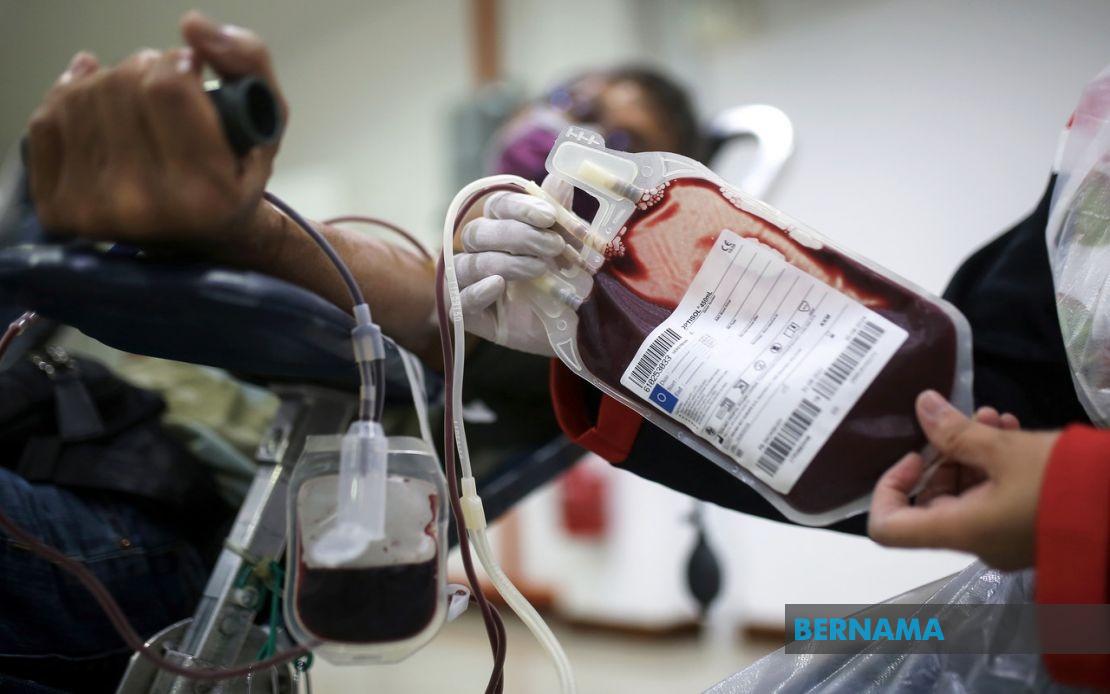
The Hospital Sultanah Aminah (HSA) in Johor Bahru has mounted a public appeal seeking donations of type O and AB blood after inventory levels for both groups dropped to critical levels. The hospital's Transfusion Medicine Department made the announcement via social media, highlighting the immediate need to replenish supplies that have become strained by ongoing patient demand.
Blood shortages in Malaysian hospitals reflect a recurring challenge in maintaining adequate transfusion supplies for routine surgeries, emergency treatments, and chronic conditions requiring regular transfusions. Type O blood, known as the universal donor, and type AB blood, the universal recipient type, are particularly crucial in medical settings where cross-matching delays could prove fatal. When either supply dwindles, hospitals face constraints in their ability to respond to sudden medical emergencies or planned surgical procedures.
To address the shortage, HSA has coordinated multiple blood collection initiatives across Johor Bahru throughout the weekend. The Johor Blood Donation Centre at Mid Valley Southkey will operate from 10 am to 6.30 pm today through Sunday, providing a central location for donors in the commercial district. This venue's extended hours and weekend schedule are designed to accommodate working professionals and weekend shoppers who may have flexible availability during non-traditional donation times.
The AEON Mall Bukit Indah location offers another convenient point for community members in the eastern suburbs. Operating from 10 am to 3 pm across Friday, Saturday, and Sunday, this shopping centre venue taps into foot traffic patterns and reduces barriers to donation by eliminating the need for separate hospital visits. Shopping mall-based blood drives have proven effective in reaching younger and more mobile populations who may not otherwise visit healthcare facilities.
The HSA Blood Donation Centre itself will accept donors today and tomorrow from 8 am to 4.30 pm, providing the most medical-supervised environment with full laboratory facilities on-site. This location remains essential for donors requiring initial medical screening or those with complex medical histories that warrant closer clinical oversight during the donation process.
The hospital has directed potential donors to check the Johor Bahru Blood Donation Campaign Schedule page for the complete listing of collection sites and timings. This centralised information approach helps manage traffic flow across multiple venues and ensures donors can select locations most convenient to their schedules and residences. Digital communication through social media platforms reaches younger demographics more effectively than traditional announcements, potentially broadening donor participation.
Blood supply management in Malaysia requires sustained community participation, as voluntary donation remains the backbone of the national blood supply chain. Unlike some developed nations where paid donors supplement supplies, Malaysia relies predominantly on altruistic donation, making appeals like HSA's essential to maintaining operational capacity. Each successful donation can benefit multiple patients, as whole blood is separated into components—red cells, plasma, and platelets—that address different clinical needs.
The concentration on type O and AB blood reflects these groups' strategic importance in transfusion medicine. Type O blood's universal compatibility makes it indispensable in trauma and emergency departments where there is no time for comprehensive blood typing. Type AB, conversely, faces chronic scarcity precisely because it represents a smaller proportion of the population—roughly 3% in Malaysia—yet plasma from AB donors is universally compatible with all recipients, creating high demand in plasma-dependent therapies.
Seasonal fluctuations and holiday periods typically reduce donor turnout, creating inventory challenges that hospitals must anticipate and mitigate. August falls into a period when some Malaysians travel for holiday destinations or adjust schedules around the school calendar, potentially reducing the donor pool. Hospitals therefore schedule intensive collection campaigns during these periods to offset predicted supply reductions.
For potential donors considering participation, the appeals underscore the medical significance of blood donation and the direct impact on patient care outcomes across Johor. First-time donors may find the mall-based venues less intimidating than hospital settings, while experienced donors have multiple convenient options. Basic eligibility requirements typically include being between 18 and 60 years old, weighing at least 45 kilograms, and having no acute illnesses or recent travel to disease-endemic regions.
The broader context of this appeal reflects Malaysia's ongoing efforts to strengthen blood security across the healthcare system. HSA's proactive communication demonstrates how public hospitals increasingly leverage digital platforms and community engagement strategies to sustain critical supplies. As Southeast Asia's healthcare systems grapple with ageing populations requiring more transfusion-dependent procedures, maintaining robust blood supplies remains a fundamental public health priority that depends directly on community participation and regular donor recruitment campaigns.

