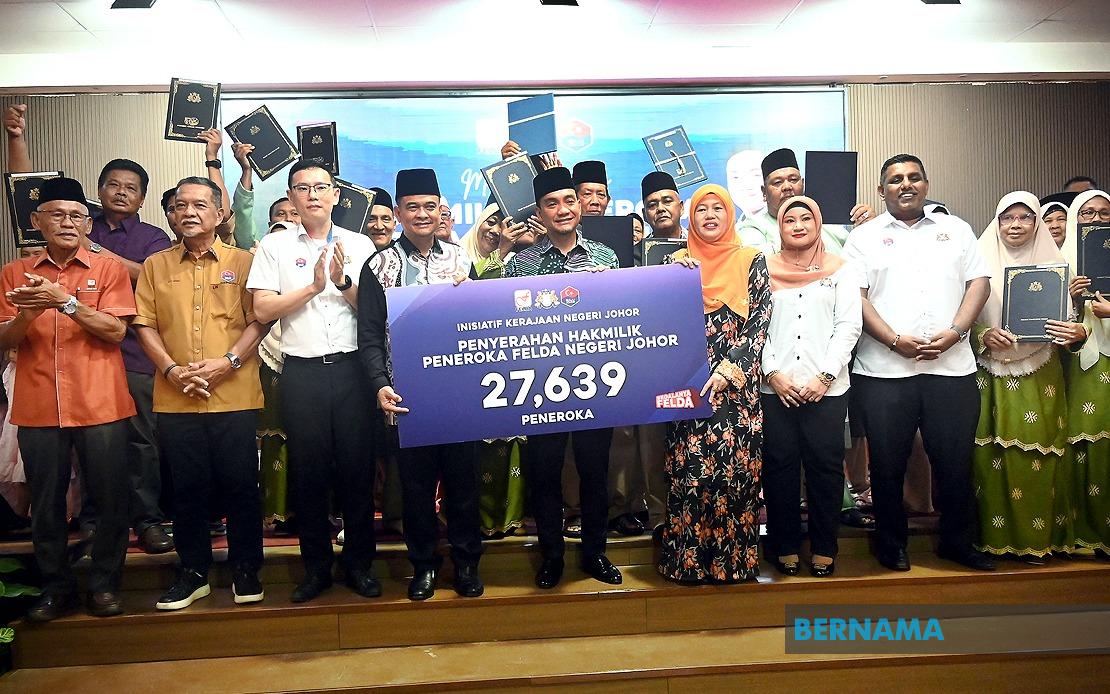
The Johor state government has achieved a near-complete resolution of a protracted land ownership crisis that has burdened Federal Land Development Authority (FELDA) settlers across the state. In a significant milestone reached at a ceremony in Kluang on June 23, authorities confirmed that 27,639 of 27,642 pending land title applications have been successfully processed, representing a 99.99 per cent clearance rate.
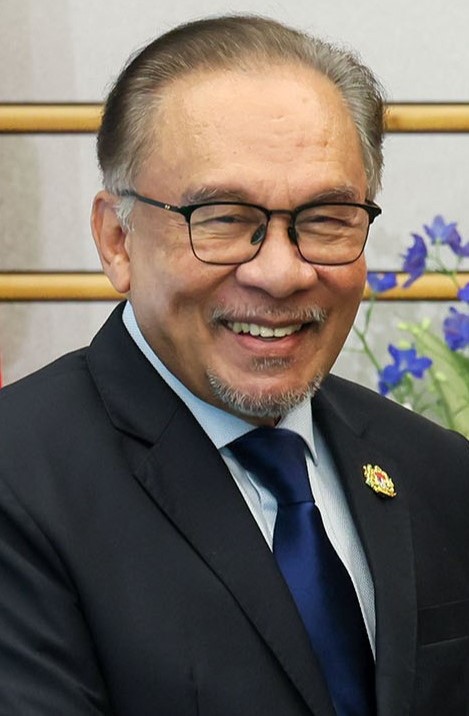
Menteri Besar Datuk Onn Hafiz Ghazi announced the achievement during a formal land title presentation ceremony, where 210 settlers from the districts of Kluang, Kota Tinggi and Mersing received official documentation for their residential plots and agricultural holdings. The resolution of these applications represents the culmination of years of administrative effort to untangle the bureaucratic complexities surrounding property ownership rights within FELDA schemes.
FELDA, established as a mechanism to develop federal land and uplift rural communities, has historically faced challenges in issuing clear land titles to its settlers. This administrative gap created uncertainty for residents who had invested decades developing their plots, limiting their ability to use land as collateral for loans, transfer property to heirs, or engage in formal transactions. The issue had become a persistent grievance within FELDA communities, affecting not only individual families but also the broader agricultural productivity of these schemes.
The state government's decision to prioritise the resolution of this issue reflects recognition of the strategic importance of FELDA settlements to Johor's rural development framework. By formalising land ownership, the administration aims to provide settlers with greater economic security and the opportunity to leverage their assets for improvements or expansion. This approach aligns with broader regional efforts across Malaysia to strengthen property rights and enhance financial inclusion in agricultural communities.
According to Menteri Besar Onn Hafiz, the initiative demonstrates the state administration's enduring commitment to addressing longstanding concerns within rural constituencies. He emphasised that FELDA settlements would continue to receive priority attention from the state government, with mechanisms in place to tackle emerging issues swiftly. This public commitment suggests recognition that rural voters represent a significant political constituency whose grievances warrant prompt resolution.
The achievement also reflects coordination between multiple levels of government administration. Johor Agriculture, Agro-based Industry and Rural Development Committee chairman Datuk Zahari Sarip attended the ceremony, underscoring the involvement of agricultural and rural development portfolios in facilitating the land title resolution process. Such administrative collaboration has been essential in navigating the overlapping jurisdictions and documentation requirements that historically complicated title issuance.
For FELDA settlers themselves, receipt of formal land titles carries substantial practical implications. Documentation provides legal certainty regarding property boundaries and ownership rights, critical for agricultural operations that often span multiple generations. Settlers can now pursue formal financing for agricultural inputs, machinery, or property improvements—opportunities previously constrained by inability to offer land as security. Furthermore, titles facilitate the orderly transfer of properties to heirs, addressing inheritance planning concerns that had created informal arrangements and potential family disputes.
The near-complete resolution also carries implications for broader efforts to formalise property rights across Malaysia's rural sector. FELDA represents one of the nation's largest networks of organised agricultural communities, spanning multiple states. Johor's progress in resolving its outstanding applications may establish a template for similar initiatives elsewhere, particularly in other states where FELDA settlers face comparable documentation challenges.
However, the persistence of three unresolved applications among 27,642 suggests that certain cases may present unusual complexities—possibly involving disputed boundaries, complicated inheritance situations, or incomplete documentation from settler applicants. Resolution of these final cases will likely require individualised attention rather than standardised processing, potentially involving legal or administrative review.
The initiative also responds to broader concerns about agricultural productivity and rural competitiveness in Johor. Formalised land titles enable better access to agricultural extension services, participation in government development programs, and integration into formal commodity markets. These mechanisms can enhance productivity and income stability for smallholder farmers, contributing to broader food security objectives and rural economic resilience.
Looking forward, the Johor government's stated intention to maintain attention to FELDA issues suggests ongoing administrative engagement with these communities. This commitment may extend to addressing secondary issues such as infrastructure development, marketing support for agricultural products, or pest management services—concerns that often accompany land ownership questions in settler communities.
The resolution of this long-standing issue represents a tangible delivery of administrative capacity to rural constituents, demonstrating the potential for state-level action to address problems requiring sustained bureaucratic effort. For FELDA communities in Johor, the formalisation of property rights removes a significant constraint on economic activity and provides the foundation for more dynamic agricultural development across the state's numerous settlement schemes.