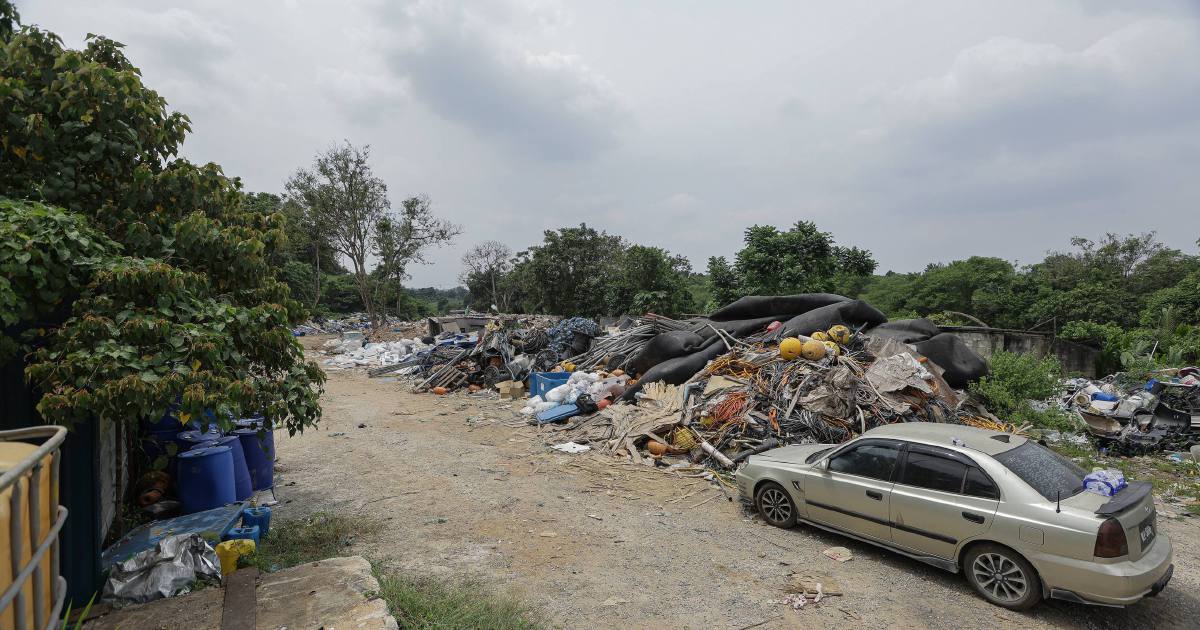
Authorities in Johor are moving swiftly to address serious environmental concerns after reports emerged of construction waste allegedly originating from Singapore being deposited unlawfully at multiple locations in Pontian district. The state government has announced the formation of a multi-agency task force designed to undertake an exhaustive investigation into the matter and determine the extent of the problem affecting the border region.
The allegations touch on a sensitive cross-border environmental issue that has long troubled Malaysian communities near Singapore. Pontian, situated directly across from Singapore's western areas, has historically been vulnerable to various forms of waste management difficulties given its geographic proximity and the volume of construction activity occurring on both sides of the Causeway. The reported dumping, if confirmed, would represent a significant breach of environmental protocols and could have implications for bilateral relations between the two neighbours.
The task force structure reflects the complexity of the investigation required. By bringing together specialists and officials from different government departments, authorities aim to establish clear evidence regarding the source of the waste, identify the specific locations where dumping has occurred, and trace the operational mechanisms that may have enabled such activity. The coordinated approach signals Johor's determination to tackle what could become a recurring environmental problem if left unaddressed.
Environmental degradation in border areas carries particular significance for Malaysia, as it affects local ecosystems, agricultural land, and public health in communities that have limited capacity to address transnational pollution independently. Construction waste, which typically includes concrete, timber, metals, and other building materials, can contaminate soil and groundwater when deposited improperly. The potential scale of the problem remains unclear, but the decision to initiate a comprehensive investigation suggests that initial reports have alarmed state officials sufficiently to warrant immediate action.
The establishment of this task force demonstrates heightened awareness among Malaysian authorities regarding environmental protection at shared borders. Such initiatives are increasingly important as rapid urban development accelerates throughout Southeast Asia, creating pressure on waste management systems. Singapore's extensive construction boom, driven by ongoing infrastructure projects and urban renewal efforts, generates substantial quantities of construction waste that requires proper disposal or recycling. The allegations suggest that some parties may have sought to circumvent proper waste management procedures by depositing materials across the border.
Previous incidents of transnational waste dumping in Malaysia have highlighted vulnerabilities in monitoring systems at land borders, where the volume of legitimate cross-border movement can obscure illicit activities. The Pontian case underscores the need for enhanced cooperation between Malaysian and Singapore authorities in environmental enforcement. Effective solutions will likely require not only investigation of current violations but also establishment of preventive mechanisms and stronger bilateral agreements on waste management standards.
For Malaysian residents in Pontian and surrounding areas, the investigation offers hope that their environmental concerns are being taken seriously at the state level. Communities in border districts often feel disadvantaged in terms of resource allocation and political attention, making it crucial that state government initiatives demonstrate genuine commitment to protecting their interests. The task force's findings could establish precedents for how Malaysia addresses similar allegations in other border regions.
The economic implications also merit consideration. If Singapore-based companies have been disposing of construction waste in Johor rather than managing it domestically, this represents an inappropriate externalization of disposal costs onto Malaysia. Proper resolution of the issue should include accountability mechanisms and potentially compensation for any environmental damage caused. Such matters frequently become sensitive politically, requiring careful diplomatic handling to preserve relations while upholding Malaysia's environmental standards and sovereignty.
Successful investigation will depend on several factors, including access to relevant records, cooperation from port authorities and logistics companies that may have facilitated the waste movement, and testimony from workers or facilities managers aware of the dumping operations. The task force will also need to determine whether the activity occurred with knowledge and facilitation of local entities in Johor, or whether it represents purely external wrongdoing by foreign operators.
The broader context of this investigation extends beyond immediate Pontian concerns. As Malaysia positions itself as an environmentally conscious nation and strengthens enforcement of environmental laws, cases of illegal cross-border dumping become important indicators of regulatory effectiveness. The outcomes and lessons from the Pontian investigation could inform national strategies for monitoring and preventing similar violations elsewhere, particularly in states sharing borders with more developed nations where waste disposal costs are substantially higher.
Moving forward, the effectiveness of Johor's multi-agency task force will likely influence public confidence in environmental governance and cross-border cooperation mechanisms. The investigation represents an opportunity for Malaysia to demonstrate that allegations of foreign entities causing environmental damage will be met with prompt, serious, and comprehensive response. Results from the inquiry should be made public to maintain transparency and provide assurance to affected communities that their environment is being actively protected.

