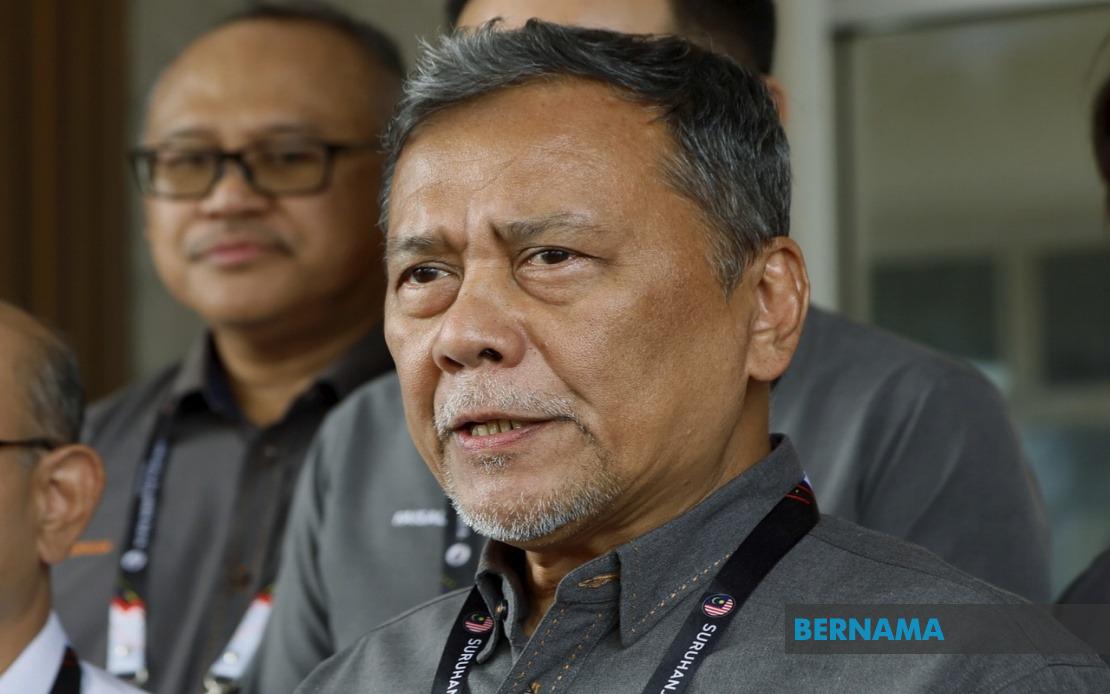
Malaysia's Election Commission has logged 588 complaints centring on various election-related offences as the campaign for the 16th Johor State Election enters its final stretch. Election Commission chairman Datuk Seri Ramlan Harun disclosed the figure during a visit to early voting venues in Kluang on July 7, underscoring the scale of alleged irregularities being reported ahead of Saturday's state-wide poll. The complaints mechanism, which tracks potential breaches of election law throughout the campaign period, represents an important safeguard in ensuring the integrity of the electoral process for Malaysia's southern-most peninsula state.
Of the 588 complaints received by the Election Commission, 44 have escalated into formal police reports, indicating that a significant portion of allegations warranted investigation by law enforcement authorities. The Kluang District Police Headquarters and other enforcement agencies have been engaged to examine these cases, signalling the seriousness with which potential criminal conduct is being treated. Additionally, the Malaysian Anti-Corruption Commission has received three separate reports relating to offences within its investigative purview, suggesting that some complaints touch upon corruption concerns that extend beyond standard electoral violations.
The monitoring operations coordinated by Ramlan, conducted in partnership with Army Chief General Tan Sri Azhan Md Othman, focused on ensuring the smooth administration of the early voting process at designated military and police facilities across Kluang. Early voting is a logistical necessity for security and defence personnel who cannot easily cast ballots on election day itself, and the presence of election commissioners and military leadership at these venues underscores the commitment to procedural transparency. The early voting exercise involved 20,607 eligible voters, a substantial cohort comprising 8,544 military personnel and their family members alongside 12,063 police officers and their spouses.
The 16th Johor State Election will see a total of 172 candidates competing for 56 state assembly seats this Saturday, representing a considerable field of contenders seeking election across various constituencies. The high number of candidates relative to available seats reflects the competitive nature of politics in Johor, traditionally one of Malaysia's most politically contested states. With multiple candidates often vying for individual seats, campaign conduct becomes increasingly important in maintaining electoral standards and public confidence in the process.
The complaints filed with the Election Commission encompass a range of alleged breaches, from campaign finance irregularities to illegal electioneering activities and violations of campaign restrictions. Such offences, if substantiated, can undermine the principle that all candidates compete on an equal footing and that public resources are not improperly deployed to advantage particular contenders. The tracking of these complaints demonstrates the Election Commission's responsiveness to reports from voters, observers, and other stakeholders who believe election laws have been violated.
The involvement of law enforcement agencies and the anti-corruption watchdog reflects a coordinated approach to election oversight involving multiple institutions within Malaysia's democratic framework. When Election Commission complaints progress to police investigation or MACC review, it signals that electoral authorities have determined sufficient grounds exist to warrant deeper scrutiny by agencies with broader investigative powers. This tiered response system allows the Election Commission to focus on electoral matters specifically while leveraging specialist capacities within the police and anti-corruption sectors.
For Malaysian voters in Johor, the scale of complaints being processed offers both reassurance and caution. The high number of reports suggests that the public is engaged enough to flag suspected wrongdoing, and that mechanisms exist to receive and pursue such allegations. Conversely, the volume itself may indicate widespread concerns about campaign conduct standards, potentially reflecting frustration with the behaviour of candidates and political parties during what is often an intensive period of politicking.
The Election Commission's disclosure of complaint figures maintains transparency about the election administration process, allowing political parties, observers, and the general public to understand the scale of alleged irregularities being managed. Such openness is essential for public trust in electoral outcomes, particularly in state elections where results can dramatically reshape political representation and government composition. The Commission's role in documenting, investigating, and referring complaints ensures that no credible allegation goes unexamined.
As Johor heads toward polling day, the Election Commission and its partner agencies face the dual challenge of completing investigation of outstanding complaints while simultaneously executing the mechanics of election day itself. The coordination between the Commission, police, military authorities, and anti-corruption agencies demonstrates the institutional depth required to administer a complex electoral exercise across a large state. Johor, with its diverse constituencies spanning urban and rural areas, presents particular logistical and oversight challenges that have necessitated the deployment of substantial resources to maintain election integrity and procedural compliance.

