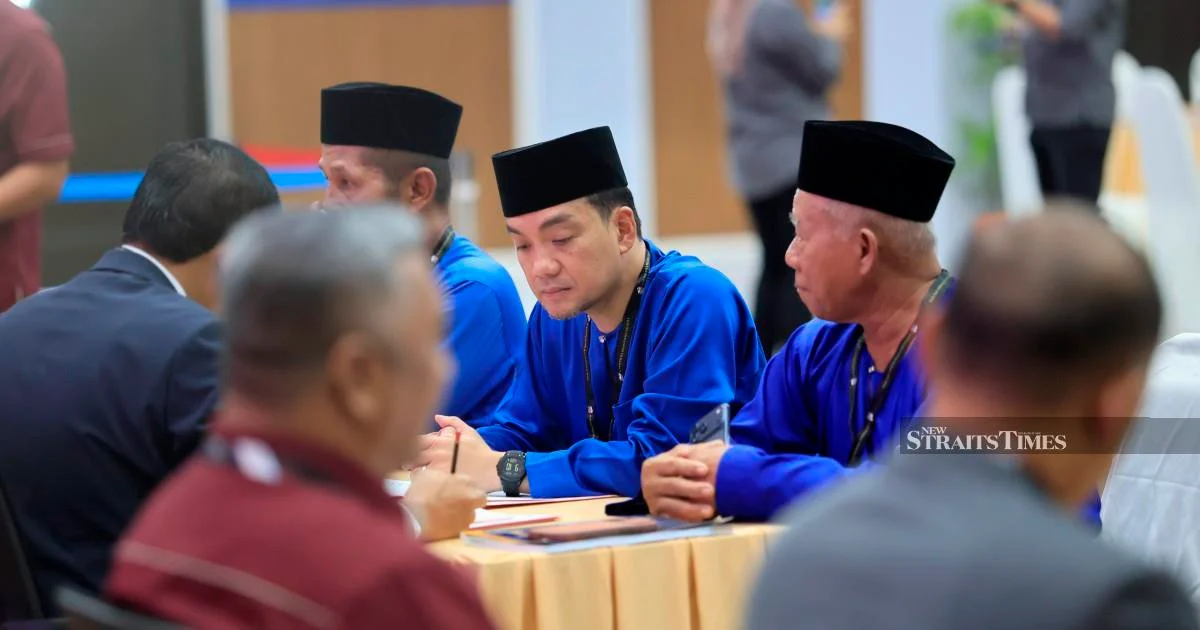
The machinery for Johor's 16th state election shifted into a new phase this morning as the statewide nomination process drew to a close at 10am, marking a crucial milestone in the electoral calendar. Across the length and breadth of Malaysia's second-largest state, all 56 nomination centres simultaneously ceased accepting candidate registrations, signalling the end of a carefully orchestrated period during which political parties and independent candidates had to formalise their participation in what is shaping up to be a keenly contested ballot.
The closure of the nomination centres brings to completion a registration window that had been designated by the Election Commission to allow all eligible contenders to submit their candidacies and supporting documentation. This process is foundational to state elections in Malaysia's constitutional framework, as it establishes the official slate of candidates who will contest across Johor's state assembly constituencies. The successful completion of nominations on time is a critical administrative milestone that allows electoral officials to proceed with subsequent stages of preparation, including the publication of the final candidate list and further logistical arrangements.
For Johor, one of Malaysia's most politically significant states, the nomination exercise carried particular weight given the state's historical importance in national politics and its status as a major economic hub. The state has long been a competitive battleground where national political trends often manifest themselves at the local level. Observers across the region have been monitoring how different political coalitions have mobilised their machinery for this election, with the nomination phase providing early indicators of party organisation and resource deployment. The variety of nomination centres—distributed across all 56 state constituencies—reflected efforts to ensure accessibility for candidates and their supporters across both urban centres and more remote areas.
The orderly conclusion of the nomination process underscores the Election Commission's operational capability in managing large-scale electoral administration across a geographically dispersed state. Johor covers a significant land area with varied population distribution, from the densely populated Johor Baru district to more dispersed communities in the interior. Establishing and managing 56 separate nomination centres required substantial logistical coordination, training of election workers, and deployment of resources to ensure each location could handle the documentation requirements and verification procedures associated with candidate registration.
With nominations now closed, the next phases of the electoral process will unfold according to the Election Commission's established timeline. These subsequent stages typically include the publication of the official candidate list, which provides a confirmed inventory of those who have successfully met all nomination requirements and will appear on ballot papers. Following this publication, candidates will enter their campaign period—a defined window during which they actively solicit voter support through various means, subject to electoral regulations that govern spending and conduct during this intensive period.
The 16th Johor election holds significance beyond the state itself, given Johor's substantial contribution to Malaysia's national economy and its role as a crucial political component in the broader Malaysian political landscape. Electoral results in Johor have historically influenced national political calculations and coalition dynamics, making the composition of candidates selected by major parties a matter of considerable interest to observers tracking Malaysian politics more broadly. The nomination process thus represents more than a procedural requirement; it reflects strategic decisions by competing political forces about where to invest their candidate resources and which constituencies they view as priority battlegrounds.
For Southeast Asian observers, Johor elections provide insights into how competitive federalism operates within Malaysia's constitutional structure, where state-level contests maintain genuine political significance despite the prominence of federal politics. The region has varying models of state autonomy and electoral competition; Malaysia's system, wherein states retain substantial responsibilities and resources, means that state elections genuinely matter to voters and competing parties. The successful administration of large-scale elections at this level demonstrates institutional capacity that is not universally evident across all Southeast Asian democracies.
The nomination deadline also marks a transition point in the electoral calendar where political activity becomes more intense and publicly visible. Preceding the nomination closure, there had been considerable behind-the-scenes negotiation within political coalitions regarding seat allocation and candidate selection. Now that nominations have formally concluded, the public campaign phase begins, during which candidates must appeal directly to voters. This shift represents a change in the nature of political communication and activity, moving from party-internal decision-making to public persuasion and debate.
For Malaysian voters in Johor, the completion of nominations establishes clarity about the choices they will face at the ballot box. The final candidate roster, once published, will show which individuals have successfully navigated the registration requirements and secured their party's nomination or opted to contest as independents. This information is fundamental to how voters can prepare for electoral participation, allowing them to research candidates and make informed decisions about their preferences before voting day arrives. The nomination closure thus represents a democratically significant moment, as it crystallises the concrete options available within the electoral process.

