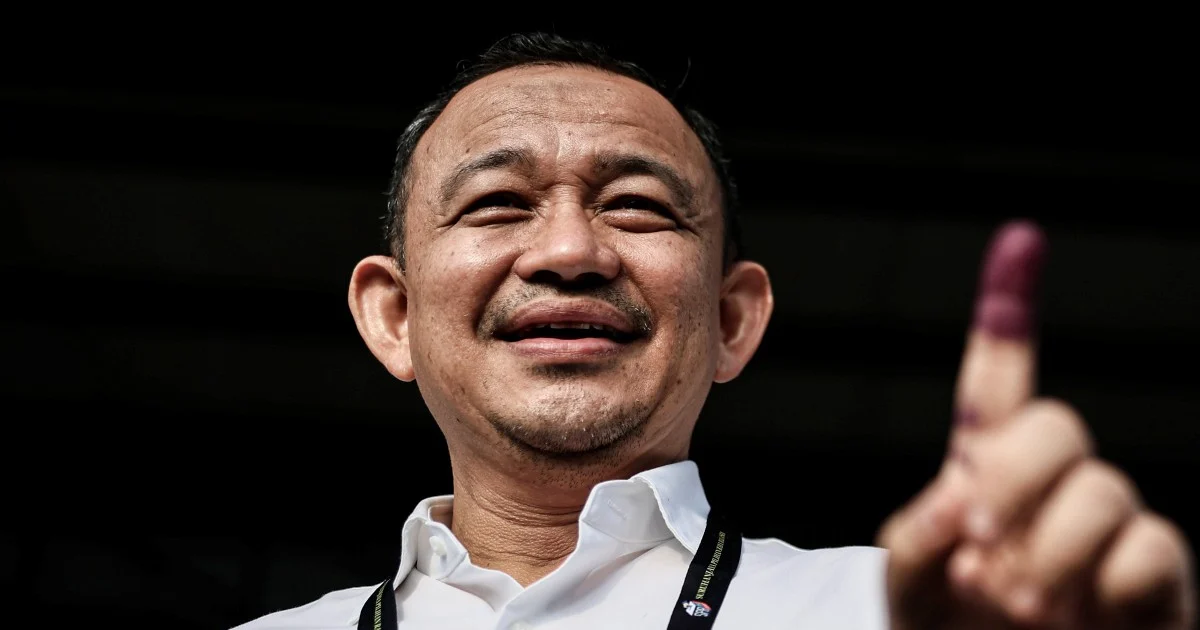
Dr Maszlee Malik, the former federal education minister and PKR politician, appears positioned to achieve a historic breakthrough for his party in the Johor state election based on early unofficial tallies from the Puteri Wangsa constituency. His anticipated win would mark a significant milestone for the Pakatan Harapan component party in a state where it has long struggled to establish electoral dominance, underscoring a gradual shift in the political dynamics of Malaysia's southern economic heartland.
The trajectory of results emerging from ballot counting across Johor reveals a more complex electoral picture than simple narratives of government dominance or opposition resurgence might suggest. Barisan Nasional, the coalition anchoring Malaysia's federal administration, has successfully breached what were previously considered secure opposition territories throughout the state. This territorial expansion represents more than tactical gains; it signals a fundamental realignment in how Johor voters perceive the competing political blocs and their respective capacity to deliver governance outcomes that matter to constituents.
PKR's prospective success in Puteri Wangsa, should the unofficial results hold through official verification, carries symbolic weight extending beyond a single seat in the 56-member Johor assembly. The party has consistently faced headwinds in translating its peninsular Malaysia support into tangible electoral victories in Johor, where traditional communal voting patterns and entrenched BN infrastructure have historically provided substantial structural advantages. For PKR, cracking this particular constituency represents validation of its ground organisation and candidate selection strategy in the state.
Barisan Nasional's incursion into opposition strongholds reflects several converging factors worth examining through a Malaysian political economy lens. The coalition's capacity to mobilise resources, leverage administrative advantages, and execute coordinated campaigning across constituencies remains formidable, particularly when opposition parties struggle with internal cohesion or resource constraints. Additionally, voter sentiment regarding economic management, development priorities, and good governance perception fluctuates in response to national policy announcements, federal budget allocations, and ministerial visibility in state constituencies. These macro-level considerations often supersede purely local considerations in determining voting behaviour.
Johor's electoral significance extends beyond state-level implications. As Malaysia's second-most populous state and a major economic contributor to the national economy, the state's political complexion influences federal coalition mathematics and shapes expectations regarding the distribution of ministerial portfolios and development funding allocations. A BN performance that strengthens its position relative to Pakatan Harapan in Johor could reinforce narratives about government resilience heading into anticipated future federal electoral contests, while conversely emboldening opposition parties to reassess their tactical approaches in the state.
For PKR specifically, the party operates within Pakatan Harapan alongside DAP and Amanah, but maintains distinct organisational structures and constituency bases within Johor. The success of individual candidates carrying PKR's banner thus reflects both the party's internal capacity and its ability to coordinate effectively with larger coalition partners in candidate selection and campaign resource allocation. Maszlee's background as a former federal education minister provides him with national profile and policy credentials that may resonate with voters seeking representatives with experience in major portfolios and prior access to decision-making circles.
Barisan Nasional's coalition architecture, incorporating UMNO, MCA, MIC, and smaller component parties, enables it to field candidates reflecting Johor's demographic diversity and localised communal considerations. The coalition's penetration into previously opposition-held territories suggests that its constituent parties successfully tailored messaging to specific constituency demographics and demonstrated competitive ground organisation capabilities. This expansion also indicates that opposition parties may not have adequately consolidated their support or failed to address specific voter grievances that made constituencies vulnerable to BN's overtures.
The broader Malaysian political context shapes Johor electoral outcomes in meaningful ways. Developments at federal level, including governance performance, economic policy announcements, and leadership perception shifts, create electoral momentum or headwinds that cascade downward to state contests. Johor voters do not compartmentalise their assessments of BN and Pakatan Harapan purely along state governance lines; rather, they integrate judgments about federal performance, ministerial competence, and coalition stability into their calculus when making state-level voting decisions. This interconnection between federal and state electoral dynamics particularly affects swing constituencies where voter attachments remain fluid.
The unofficial results suggesting Maszlee's strength in Puteri Wangsa and BN's gains across other territories foreshadow potential shifts in Johor's state assembly composition and the subsequent formation of state government. If these trends solidify through official results verification, they would reshape ministerial assignments, development project allocation, and political party influence within the state. For PKR, even isolated successes like Maszlee's anticipated victory provide platforms for building future organisational presence and establishing footholds in constituencies previously dominated by rivals.
Moving forward, political stakeholders across the spectrum will scrutinise these Johor results as bellwethers for electoral sentiment and organisational effectiveness. The findings regarding which constituencies shifted hands, by what margins, and reflecting which voter demographic movements will inform strategic recalibrations for upcoming contests. Opposition parties will assess whether Maszlee's performance represents an exceptional personal achievement or signals broader organisational renewal within PKR that could generate momentum in subsequent electoral cycles.

