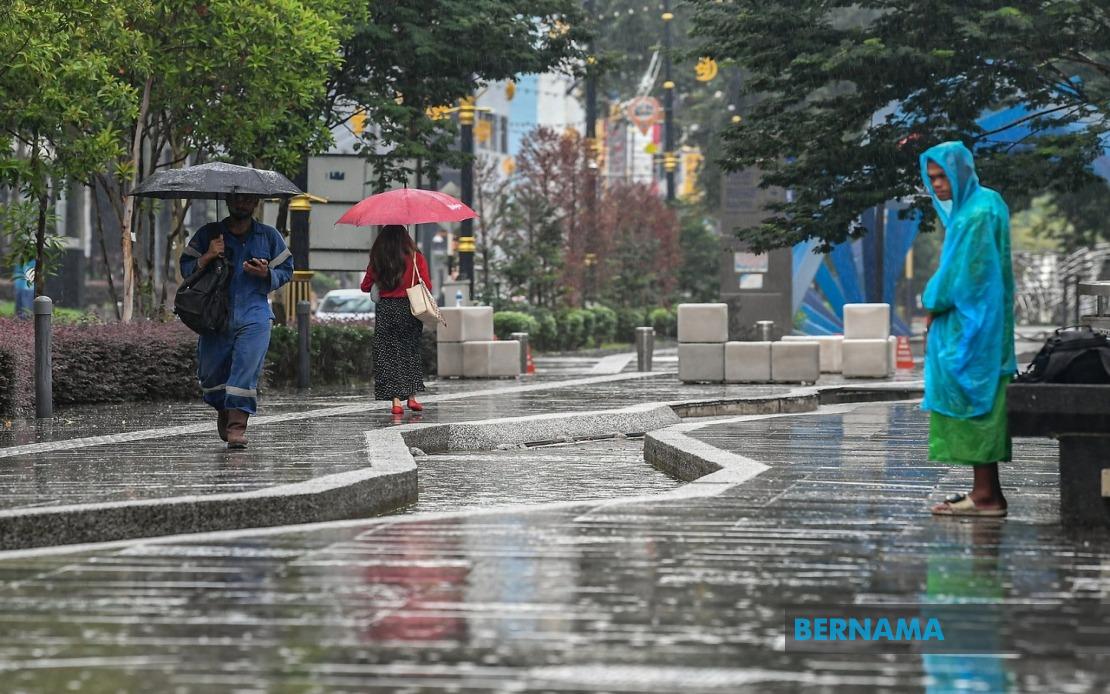
Johor's nomination day for the state election faces a damp start, with the Malaysian Meteorological Department forecasting rain across seven of the ten districts on June 27, potentially creating logistical complications for candidates and their supporters navigating the electoral process. The adverse weather conditions are expected to affect Johor Bahru, Muar, Batu Pahat, Kota Tinggi, Pontian, Tangkak and Kulai, while three districts—Segamat, Kluang and Mersing—are anticipated to experience clearer morning conditions, according to MetMalaysia director Azlai Ta'at.
Temperature fluctuations will characterise the day across the state, with minimum readings hovering between 24 and 25 degrees Celsius and maximum temperatures climbing to between 31 and 34 degrees Celsius. Segamat is expected to reach the highest point at approximately 34 degrees Celsius, creating a mixed meteorological landscape that may influence voter turnout and participation rates during the crucial nomination period. MetMalaysia has advised the public, particularly campaign supporters, to monitor weather updates closely as conditions may shift unexpectedly throughout the day.
The nomination process itself will occur within a compressed two-hour window from 9 am to 10 am across 56 nomination centres throughout the state, after which returning officers will formally announce eligible candidates. This tight timeframe means that inclement weather could substantially affect the movement of candidates and their teams between locations, potentially impacting last-minute campaign preparations. The brevity of the nomination period underscores the Electoral Commission's carefully orchestrated schedule to facilitate swift candidate registration and verification.
Thunderstorms are anticipated to escalate significantly during the afternoon hours, coinciding with the official commencement of the campaigning period immediately following the conclusion of nominations. MetMalaysia forecasts afternoon thunderstorms in Johor Bahru, Segamat, Kluang, Kota Tinggi, Pontian, Mersing and Kulai, while Batu Pahat and Tangkak may experience general rain conditions. Muar is projected to remain relatively hot without substantial precipitation. This pattern suggests that campaign rallies and public engagement activities scheduled for the afternoon may need contingency arrangements or indoor venues to accommodate the expected weather disruptions.
The 56-seat contest represents a significant electoral battleground with multiple competing coalitions and independent parties. Pakatan Harapan is presenting a complete slate across all seats, with PKR fielding 20 candidates, Amanah contributing 19, and DAP providing 17 representatives. This coordinated approach reflects the coalition's ambition to recapture control of the state after the 2022 election. Barisan Nasional similarly contests all 56 seats through its constituent parties, with UMNO providing the largest contingent at 36 candidates, MCA offering 16, and MIC rounding out the slate with four candidates.
Perikatan Nasional's candidate distribution reveals internal party dynamics and strategic positioning within Malaysia's evolving political landscape. PAS will contest 11 seats, Bersatu 16, the Malaysian Indian People's Party five, and Pejuang one seat. This allocation underscores the varying strengths and regional influence of Perikatan's component parties within Johor's electoral terrain. The inclusion of smaller parties reflects the fragmented nature of contemporary Malaysian electoral politics, where coalition building and seat-sharing negotiations have become essential components of election strategy.
Beyond the major coalitions, several smaller parties are making electoral bids. The Malaysian United Democratic Alliance will contest four seats, Parti Sosialis Malaysia one seat, while Parti Bersama Malaysia makes its debut in electoral politics by contesting 15 seats. This proliferation of candidates and parties creates a complex ballot for voters and potentially dilutes the concentration of support among larger established political entities. The entry of Parti Bersama Malaysia particularly signals the continued emergence of new political vehicles attempting to capture specific demographic or ideological constituencies.
The Electoral Commission has structured the election timeline to allow for adequate preparation and voting access, with early voting scheduled for July 7 and the main polling day set for July 11. This two-week interval between nominations and the election proper provides sufficient time for campaign activities, though the weather challenges anticipated during nominations may require accelerated adjustment of campaign plans by various parties and candidates. The compressed campaigning window necessitates efficient resource allocation and strategic messaging from all competing entities.
The electoral register encompasses 2,727,926 registered voters, comprising 2,703,175 ordinary voters, 12,041 military personnel and spouses, and 12,710 police personnel and spouses. This substantial voter base represents significant demographic diversity across Johor's urban centres, manufacturing zones, and rural agricultural areas. The composition of the electoral roll, including special military and police voting categories, reflects Malaysia's institutional provisions for ensuring security personnel participation in electoral processes while managing potential conflicts of interest through dedicated voting procedures.
The Johor state election occurs within Malaysia's broader political context of coalition realignment and evolving voter preferences that have characterised national politics since 2018. Previous electoral contests in Johor have demonstrated the state's pivotal importance in determining overall parliamentary and state-level outcomes. The outcome of this election could provide significant indicators regarding voter sentiment toward both Pakatan Harapan's governance performance in other states and Barisan Nasional's capacity to maintain its traditional strongholds amid ongoing organisational challenges and leadership transitions.
Weather conditions during nomination day, while seemingly incidental, can carry symbolic and practical significance. Rain and thunderstorms may suppress spontaneous public gatherings and candidate visibility activities that typically characterise nomination day excitement, potentially affecting media coverage and public engagement levels. Candidates accustomed to leveraging large public assemblies for campaign momentum may find their initial efforts constrained by meteorological factors, requiring alternative engagement strategies through digital platforms and smaller targeted interactions.
The 16th Johor state election represents a critical juncture in Malaysia's federal structure, where state-level outcomes contribute to national political calculations. Various coalitions and parties view this contest as a barometer for their respective viability and appeal across different demographic segments. The diversity of candidates fielded and the competitive intensity demonstrated by multiple political entities underscore Johor's status as genuinely contested political territory, distinguishing it from states where outcomes appear predetermined. The forecasted rain and subsequent thunderstorms merely constitute one variable among numerous factors that will influence electoral outcomes and voter participation rates in this significant regional contest.

