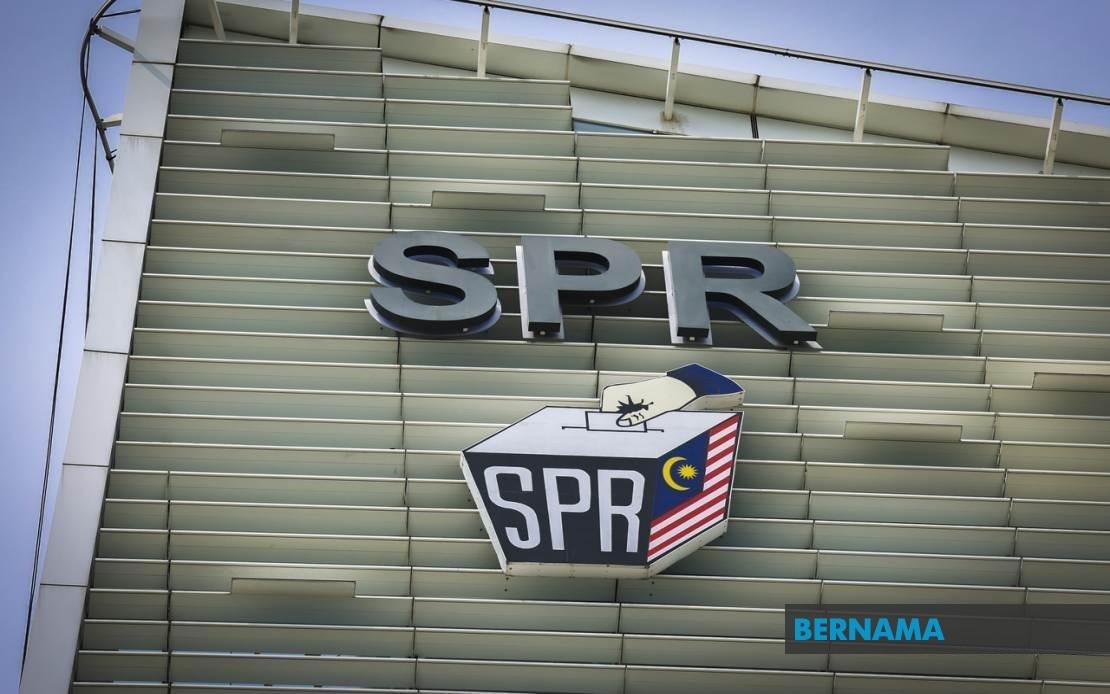
The Election Commission has recorded substantial enforcement activity during the Johor state election campaign period, documenting 305 separate reports and complaints related to various violations of electoral regulations as of July 2. These complaints span the campaign window that commenced on June 27, the nomination day, and will conclude at 11.59 pm on July 10, just ahead of polling day on July 11. The volume of reported violations suggests an intensive level of scrutiny being applied to campaign activities across the state, reflecting the commission's determination to maintain electoral integrity during this significant political contest.
The nature of the complaints reveals patterns typical of Malaysian electoral campaigns, with the most prevalent violations involving the placement of campaign materials in areas where local authorities have explicitly prohibited such displays. These restricted-area violations account for nearly half of all reported offences, numbering 140 cases. Such restrictions exist to preserve the visual character of urban and suburban environments and to prevent the unsightly accumulation of political signage that has long been a feature of Malaysian election campaigns. The enforcement against these violations suggests a more stringent approach to urban aesthetics than in some previous election cycles.
A secondary category of concern involves campaign materials that obstruct the sightlines of road users, comprising 90 of the 305 complaints. These violations pose direct safety implications, as poorly positioned political posters and banners can distract drivers or obscure traffic signals and warning signs. This category of offence underscores the tension between candidates' desires for maximum visibility and the public interest in maintaining safe road conditions. The substantial number of cases in this category indicates that enforcement teams have been actively monitoring roadside campaign activities throughout the state.
Proximity to polling centres constitutes another specific area of violation, with 27 cases involving campaign materials placed within the prohibited 50-metre radius of voting locations. These regulations exist to maintain the neutrality of polling environments and to prevent last-minute persuasion attempts or voter intimidation near voting booths. The Election Offences Act 1954, which governs such matters, establishes these buffer zones to ensure voters can cast their ballots without being subjected to intensive political messaging immediately before voting.
The remaining 48 complaints encompass various other electoral violations not falling into the three primary categories, suggesting that campaign breaches take diverse forms beyond the standard poster and banner placements. These may include improper use of social media for campaign purposes, violations of campaign financing regulations, or other procedural breaches under the electoral legislation framework. The existence of this residual category indicates the complexity of modern campaign regulation in an increasingly digital environment.
To address these violations, the Election Commission established a dedicated enforcement structure comprising 56 Election Campaign Enforcement Teams distributed throughout Johor. These teams operate under the authority of the Election Offences Act 1954 and function as the primary mechanism for identifying, documenting, and responding to campaign violations during the designated campaign period. The deployment of 56 such teams across 56 contested state seats demonstrates a systematic approach to enforcement, with teams positioned to monitor activities in their respective electoral jurisdictions.
The commission's collaborative approach involves coordinating with multiple enforcement agencies beyond its own structure. The Royal Malaysia Police provides security and general law enforcement support, the Malaysian Anti-Corruption Commission addresses potential financial impropriety in campaign funding, and the Malaysian Communications and Multimedia Commission oversees digital and broadcast-related campaign violations. This inter-agency framework reflects the multifaceted nature of modern election administration and the various laws and regulations that intersect with campaign activities.
The Johor state election itself represents a significant political contest, with 172 candidates competing for 56 state seats. Early voting has been scheduled for July 7, providing voters who are unable to vote on polling day with an alternative casting option. This electoral exercise represents the 16th state election in Johor since the state's system of representative government was established, marking a continuous democratic tradition in this major Malaysian state. The election will determine the composition of the Johor State Assembly and ultimately the state government for the coming term.
The Election Commission's issuance of the complaint statistics and its reiteration of enforcement commitments serves multiple purposes. It communicates to the public that electoral violations are being monitored and addressed, thereby deterring further breaches and reinforcing the commission's authority. It also signals to candidates and political parties the consequences of failing to comply with electoral regulations, code of ethics provisions, and specific directives issued by the commission and other regulatory bodies. The emphasis on compliance reflects the commission's view that the legitimacy of the electoral outcome depends partly on the integrity of the campaign process itself.
For Malaysian observers and political analysts, the volume of complaints offers insights into the intensity and style of campaigning in Johor. The predominance of violations related to physical campaign materials—posters, banners, and signage—suggests that traditional ground-based campaign methods remain central to electoral competition in the state, even as digital campaigning becomes increasingly important nationally. The specific nature and distribution of violations may also indicate whether particular candidates or parties are being more aggressive in their campaign activities or whether enforcement is being applied uniformly across political contestants.
The remainder of the campaign period leading to the July 10 deadline will likely see continued monitoring and enforcement activity, with final-week campaign pushes potentially generating additional complaints. Candidates and parties have been explicitly urged to comply with all applicable laws and regulations to ensure a smooth campaign process. This messaging reflects the Election Commission's position that electoral success, while important to contestants, must be pursued within a framework that maintains public confidence in the integrity and fairness of the electoral system itself.

