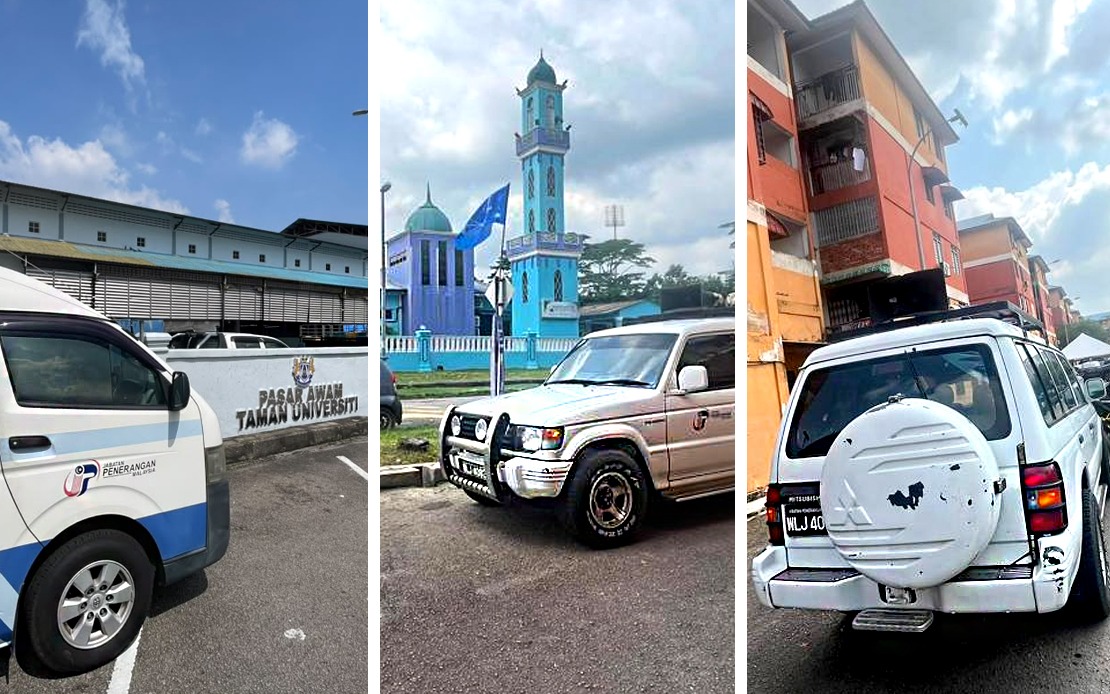
The Johor Department of Information has mobilised a fleet of 26 Info On Wheels mobile units in an ambitious effort to drive voter participation in the 16th Johor state election. The deployment represents a ground-level approach to election communication, with units stationed across all 10 districts and 56 state constituencies throughout the state. Rather than waiting for voters to actively seek information, JAPEN director Mohd Rizal Hashim explained that the department has chosen to bring official messaging directly to communities, ensuring that election-related guidance reaches the widest possible audience.
The geographical spread of this initiative underscores the varying information needs across Johor's diverse constituencies. Urban centres, suburban residential areas, and rural communities have all been factored into the deployment strategy. Felda settlements and Orang Asli villages feature prominently in the outreach plan, reflecting recognition that voter participation varies significantly depending on settlement patterns and community infrastructure. By positioning mobile units in these varied locations, JAPEN aims to eliminate barriers to information access that traditionally affect voter engagement in less densely populated areas.
The timing of this campaign reveals strategic thinking about voter behaviour. Announcements will intensify particularly during the three days immediately preceding polling day, with concentrated morning and evening slots designed to capture commuters and residents during their daily routines. This scheduling recognises that many voters finalise their polling day plans at the last moment, making timely reminders crucial to preventing last-minute confusion or missed voting opportunities. The approach acknowledges that a single information push weeks before an election yields significantly lower retention than repeated messaging closer to the actual voting date.
Mohd Rizal emphasised that JAPEN personnel are tasked with two complementary objectives that together form a comprehensive information strategy. The primary function involves disseminating verified details from the Election Commission regarding critical logistics—polling dates, voter status verification procedures, and procedural reminders. These are the foundational facts that enable citizens to participate; without clarity on such matters, even motivated voters may face practical obstacles. The secondary objective targets the information ecosystem itself, with face-to-face advocacy programmes designed to counter misinformation and malicious claims that historically proliferate during election periods.
The distinction between these two roles highlights a growing challenge in contemporary elections. While the first category of information work—distribution of official logistics—remains essential, election authorities now increasingly recognise that passive information provision alone proves insufficient when electoral misinformation circulates actively across social media. JAPEN's inclusion of deliberate counter-misinformation activities suggests acknowledgment that fake news and unfounded allegations about candidates or processes can suppress turnout just as effectively as lack of information about where and when to vote. By positioning field teams to engage directly with residents, the department creates opportunities for residents to ask questions and receive clarified responses in real time, an approach that typically carries greater credibility than official announcements alone.
The philosophical underpinning of this campaign rests on characterising voting as both a right and a civic responsibility rather than merely a privilege. Mohd Rizal articulated this distinction explicitly, framing election participation as the primary mechanism through which citizens determine fundamental questions about their state's trajectory—developmental priorities, economic direction, and collective well-being for the next five-year term. This framing transforms voting from a political act into a practical choice with tangible consequences for daily life, potentially resonating more powerfully with voters focused on bread-and-butter issues than abstract notions of democratic participation.
For Malaysian readers, this Johor initiative offers insights into how state-level authorities are adapting their communication strategies in response to evolving media landscapes. The deployment of mobile units reflects a hybrid approach that doesn't abandon traditional broadcast methods but supplements them with targeted, in-person engagement. This model could have implications for how other state administrations structure their own election communication programmes, particularly in states where voter turnout or information accessibility have previously posed challenges.
The campaign also implicitly acknowledges barriers to information access that remain relevant across Malaysia's diverse geography. Rural residents, indigenous communities, and those with limited digital connectivity may never encounter official election information through conventional channels such as social media or news websites. Physical presence through mobile units addresses this gap directly. Additionally, the face-to-face format creates space for dialogue rather than one-way information transmission, allowing residents to raise specific concerns or seek clarification on matters that worry them.
Mohd Rizal's explicit warning about social media vigilance recognises a phenomenon particularly acute during election periods. The combination of heightened political interest, time pressure, and emotional engagement creates conditions where unverified claims spread rapidly and are accepted with minimal scrutiny. By proactively cautioning the public and positioning JAPEN teams as reliable sources of verified facts, the department attempts to inoculate voters against misinformation before false narratives gain traction. This approach acknowledges that combating false information after it has spread widely proves considerably more difficult than preventing its initial establishment.
The logistics of this operation are substantial. Coordinating 26 units across 56 constituencies requires careful scheduling to ensure adequate coverage without unnecessary duplication. The timing intensification approaching polling day suggests a prioritisation strategy: maintaining consistent presence throughout the campaign period while concentrating messaging firepower when voter decision-making becomes most active. This phased approach represents a more sophisticated understanding of voter attention cycles than uniform messaging throughout the campaign period would suggest.
Mohd Rizal's reminder that voters should plan their journeys early and avoid missing the opportunity to vote on polling day reflects practical experience with voter behaviour. Many citizens, despite intending to vote, ultimately do not participate due to practical obstacles—family commitments, work schedules, or unexpected events on polling day itself. Early planning and mental preparation can increase the likelihood that voters follow through on their stated intentions. By emphasising this practical dimension, JAPEN frames voting not merely as a political choice but as a logistical task requiring advance preparation, potentially normalising the behaviour and reducing last-minute obstacles.
The broader context of this campaign includes Malaysia's ongoing efforts to strengthen electoral processes and public confidence in democratic institutions. Information accessibility directly affects electoral legitimacy; when citizens feel uninformed about how to participate or doubt the credibility of electoral processes, faith in democratic outcomes diminishes. By investing in comprehensive voter information campaigns, Johor demonstrates commitment to removing practical barriers and combating misinformation—two factors that elections observers increasingly recognise as fundamental to healthy democratic participation. For Southeast Asia more broadly, where election management and public trust in democratic processes remain evolving concerns, Johor's approach offers a model of how state authorities can actively support informed participation.

