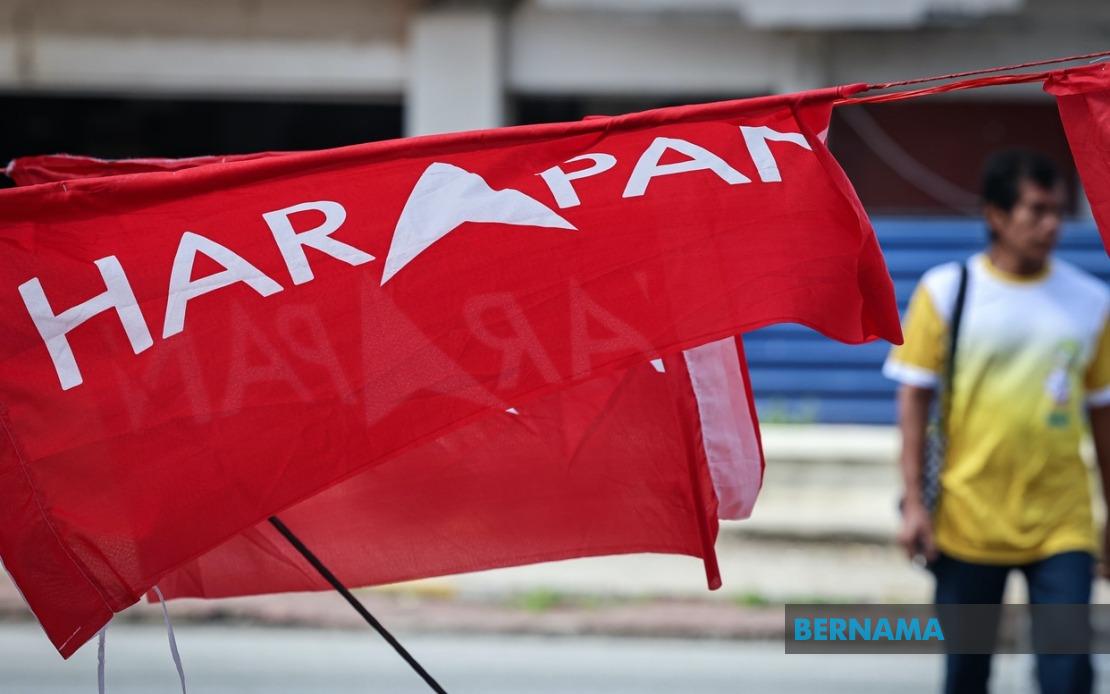
With merely five days separating campaigners from the ballot box on July 11, Pakatan Harapan candidates contesting the 16th Johor state election have shifted into overdrive, deploying what strategists describe as a hybrid campaign model designed to saturate the political marketplace across multiple channels simultaneously. This integrated approach marries the proven effectiveness of face-to-face community engagement with the reach and immediacy afforded by digital platforms, reflecting a broader evolution in how political parties throughout Southeast Asia now wage electoral contests.
The logic underpinning this campaign architecture rests on a straightforward premise: voters inhabit multiple spaces, both physical and virtual, and parties that fail to meet constituents in all these environments risk ceding ground to competitors. Traditional grassroots work—doorstep conversations, community forums, assembly gatherings—remains essential for establishing personal connection and demonstrating tangible commitment to local concerns. Yet these activities alone cannot efficiently transmit party messaging to the broadest possible audience within the compressed timeframe preceding an election. Social media platforms therefore serve as force multipliers, allowing candidates to communicate directly with voters without editorial filtering or time constraints, whilst simultaneously facilitating instantaneous feedback loops that enable parties to refine messaging based on real-time audience reaction.
The intellectual groundwork behind this strategy recognises that different demographic cohorts consume political information through varying channels. Older voters may respond more readily to traditional community meetings and newspaper coverage, whilst younger voters increasingly acquire political knowledge through short-form video content, messaging applications, and social networks. A comprehensive campaign must therefore segment its audience and calibrate its communication methods accordingly, ensuring no group feels neglected or overlooked by the party seeking their support. This segmentation becomes particularly important in multiethnic Johor, where diverse communities may have divergent information preferences and cultural communication styles.
Incumbent Simpang Jeram assemblyman Nazri Abdul Rahman exemplifies this integrated methodology, complementing his field activities with visits from senior party figures. The presence of Penang Chief Minister Chow Kon Yeow—a prominent PH leader—signals to local supporters that their constituency remains within the party leadership's strategic focus, boosting morale amongst campaign volunteers whilst generating media content that extends campaign reach beyond those physically present at events. Such high-profile visits serve multiple functions: they demonstrate party unity and strength, confer legitimacy upon local candidates through association with successful leaders, and create newsworthy moments that media outlets naturally amplify.
TikTok has emerged as an unexpectedly potent campaign instrument, particularly for younger voters and those seeking a more relaxed, personality-driven engagement with political messages. Tiram candidate Nor Zulaila Abd Ghani has garnered substantial social media attention by employing a conversational, informal delivery style on the platform, contrasting sharply with the formulaic political speech. Social media commentators have responded positively to what they perceive as authenticity and accessibility, praising her as a capable advocate willing to channel grassroots concerns into parliamentary deliberations. This shift towards content that prioritises genuine connection over polished messaging reflects changing voter expectations, particularly amongst younger demographics who increasingly view traditional political theatre with scepticism.
Puteri Wangsa candidate Dr Maszlee Malik has leveraged WhatsApp's dominance in Malaysian communications, establishing the channel 'Gerak Sama Dr Maszlee Malik' to maintain continuous contact with supporters whilst enabling two-way dialogue about local issues. WhatsApp's position as Malaysia's predominant messaging application confers distinct advantages: most voters already use the platform for daily communication, reducing friction in adding another contact. The medium's encryption and relative privacy also appeal to voters hesitant about publicly declaring political affiliation. By establishing a dedicated channel, Dr Maszlee creates a space where supporters can access campaign updates whilst simultaneously submitting concerns and suggestions, theoretically making the campaign more responsive and accountable to community priorities.
Machap candidate Nor Hafiz Roslan has utilised Facebook to emphasise his professional credentials and community track record, positioning himself as a lawyer and grassroots activist committed to amplifying ordinary residents' voices within legislative structures. Facebook's demographic composition—skewing towards older users in Malaysia—allows him to communicate effectively with voters less engaged with TikTok or other newer platforms. The emphasis on professional achievement and proven activism addresses a concern many voters harbour regarding candidate suitability: will this person possess the competence, dedication and character necessary to represent me effectively? By foregrounding his legal background and community involvement, Nor Hafiz attempts to answer this question affirmatively.
Tanjung Surat candidate Faizul Abdul Ghani has adopted a distinctly mobile campaign strategy through 'Jelajah Trak Harapan' (Hope Truck Journey), a logistics-based approach that permits rapid movement between localities whilst establishing visible physical presence in multiple constituencies within compressed timeframes. This methodology acknowledges geographic constraints in reaching dispersed populations across Johor's expansive territory. Rather than anchoring the campaign to specific venues, the mobile approach brings candidates to voters, potentially increasing the proportion of constituents experiencing direct candidate contact regardless of proximity to major population centres.
These various approaches collectively demonstrate how contemporary political campaigns in Malaysia have transcended the false dichotomy between traditional and digital strategies. Rather than treating these methods as mutually exclusive alternatives, successful campaigns integrate them into coherent systems where each component strengthens the others. Ground mobilisation generates authentic community stories that fuel social media content; digital platforms extend the reach of grassroots activities; leadership visits amplify local campaign activities; and feedback from social media interactions informs how ground teams pitch messaging during subsequent community interactions.
The strategic environment confronting PH candidates reflects broader transformations in Malaysian electoral dynamics. Voters increasingly expect political parties to demonstrate presence across multiple communication platforms simultaneously, viewing absence from particular channels as indicative of digital incompetence or lack of commitment. The proliferation of messaging platforms means parties must maintain consistent messaging across different audiences whilst maintaining authenticity and avoiding the impression of inauthentic corporate communication. This balancing act proves considerably more demanding than previous electoral cycles requiring mastery primarily of newspaper, radio and television environments.
For Malaysian political observers and Southeast Asian analysts monitoring electoral trends, Johor's 2024 campaign illustrates how regional political parties have evolved their technological sophistication and integrated communication strategies. The state represents a consequential electoral battleground, and PH's apparent embrace of hybrid campaign methods may signal broader strategic recalibration across Malaysian politics. The effectiveness of these approaches in converting digital engagement into actual votes will provide crucial evidence regarding which campaign methodologies deliver tangible electoral returns in contemporary Malaysia, potentially influencing tactical decisions across other regional democracies navigating similar digital transformation of political communication.

