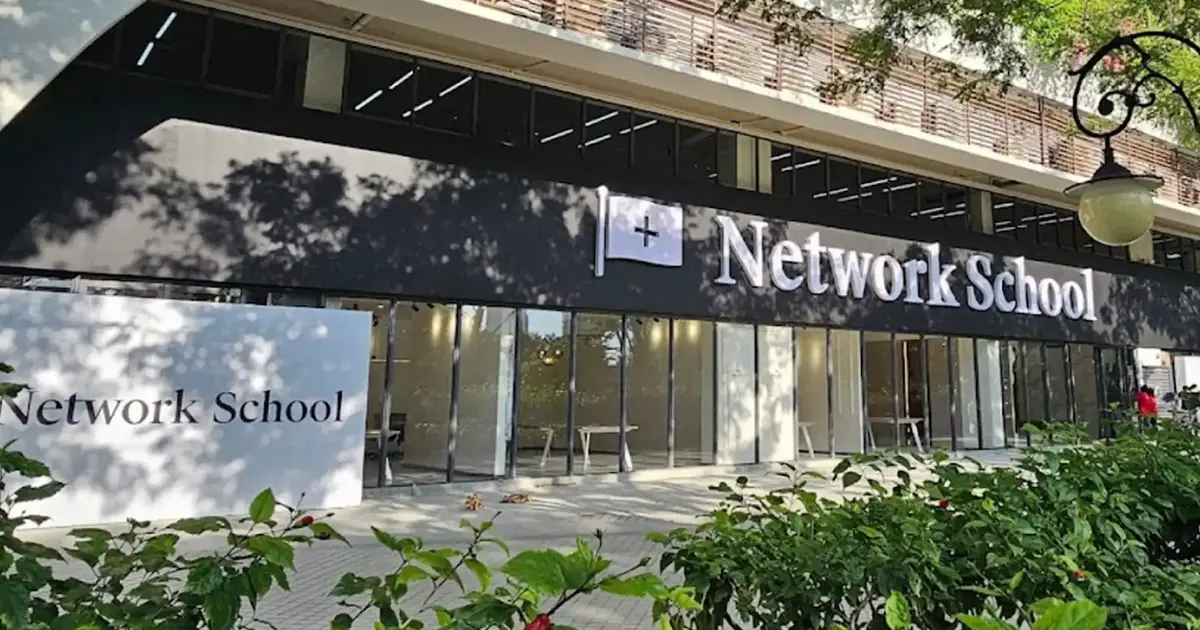
Johor's Menteri Besar Onn Hafiz Ghazi has escalated concerns about the Network School programme by calling for a comprehensive federal-level investigation into allegations that Israeli nationals have joined the initiative through the use of second-country passports. The move reflects growing scrutiny of the educational scheme and raises questions about the adequacy of vetting procedures and identity verification protocols currently in place for international participants.
The Network School programme has become the focal point of a significant political and administrative controversy in Malaysia, where sensitivities surrounding Israeli connections run particularly high given the country's longstanding support for Palestinian causes. The allegation that individuals with Israeli nationality could have circumvented standard screening measures by presenting documentation from other countries touches on broader national security and sovereignty concerns that extend beyond educational policy alone.
Onn Hafiz's call for federal intervention signals that state-level authorities in Johor believe the scope and seriousness of the allegations warrant investigation by national agencies with greater investigative resources and jurisdiction. This jurisdictional escalation suggests that preliminary inquiries at the state level may have yielded sufficient evidence or concerns to warrant higher-level scrutiny, though specific details about the nature and extent of the alleged breaches remain limited.
The use of second-country passports to facilitate participation raises complex questions about identity verification standards and document authentication procedures. Such tactics are not uncommon in cases involving individuals seeking to obscure their true nationality or circumvent entry restrictions, making the allegation particularly troubling from a national security perspective. The incident highlights potential vulnerabilities in background-checking mechanisms that could have broader implications for other educational and exchange programmes operating in the country.
For Malaysian policymakers, the controversy underscores the delicate balance required when facilitating international educational collaboration while protecting national interests and respecting public sentiment on sensitive geopolitical matters. The Network School, as an educational initiative, presumably aims to foster knowledge-sharing and cultural exchange, yet the allegations have transformed it into a flashpoint for questions about institutional oversight and governmental accountability.
The political timing of Onn Hafiz's demand is noteworthy, arriving at a moment when Malaysian society continues to grapple with questions about foreign influence and the conduct of international programmes within the country. State governments across Malaysia have faced increased pressure to demonstrate vigilance regarding programmes involving foreign nationals, particularly in sectors like education where young Malaysians form a significant proportion of participants.
The investigation's scope will likely encompass several critical areas: the vetting procedures used to screen foreign participants before admission, the verification mechanisms applied to travel documents and passports, the institutional oversight structures responsible for monitoring the programme, and the specific circumstances under which individuals using alternative nationalities gained access. Federal agencies will need to determine whether any breaches represent isolated incidents or systematic failures in programme administration.
From a broader Southeast Asian perspective, this incident carries implications for the region's approach to managing international educational exchanges and managing the intersection of education policy with geopolitical sensitivities. Several regional nations maintain complex relationships with international programmes and must continually evaluate how to remain open to global collaboration while maintaining strict standards for national security and public accountability.
The Network School's reputation and future viability now depend significantly on the transparency and thoroughness of the federal investigation. A credible inquiry that addresses public concerns while maintaining due process for all parties involved could help restore confidence in the programme. Conversely, any perception of inadequate investigation or cover-up risks amplifying public suspicion and creating precedent for heightened scrutiny of similar initiatives.
Government officials will face pressure to clarify what oversight mechanisms existed before the allegations emerged and whether additional safeguards should be implemented going forward. The case may ultimately influence how Malaysian institutions approach background verification for international programmes, potentially establishing more stringent standards across the educational sector.
For the Network School itself, the investigation represents a critical juncture. The initiative will need to demonstrate its commitment to transparency, accountability, and adherence to Malaysian values and legal requirements. Stakeholders will be watching closely to see whether the programme can address the allegations and rebuild institutional credibility, or whether the controversy signals deeper structural problems requiring more fundamental reform.
The federal investigation initiated by Onn Hafiz's intervention will prove consequential not merely for resolving the immediate allegations but for establishing precedent in how Malaysia manages similar situations. How authorities respond—the speed and transparency of their inquiry, the measures they implement to prevent recurrence, and their communication with the public—will send important signals about governmental commitment to protecting national interests while facilitating legitimate international cooperation in education.

