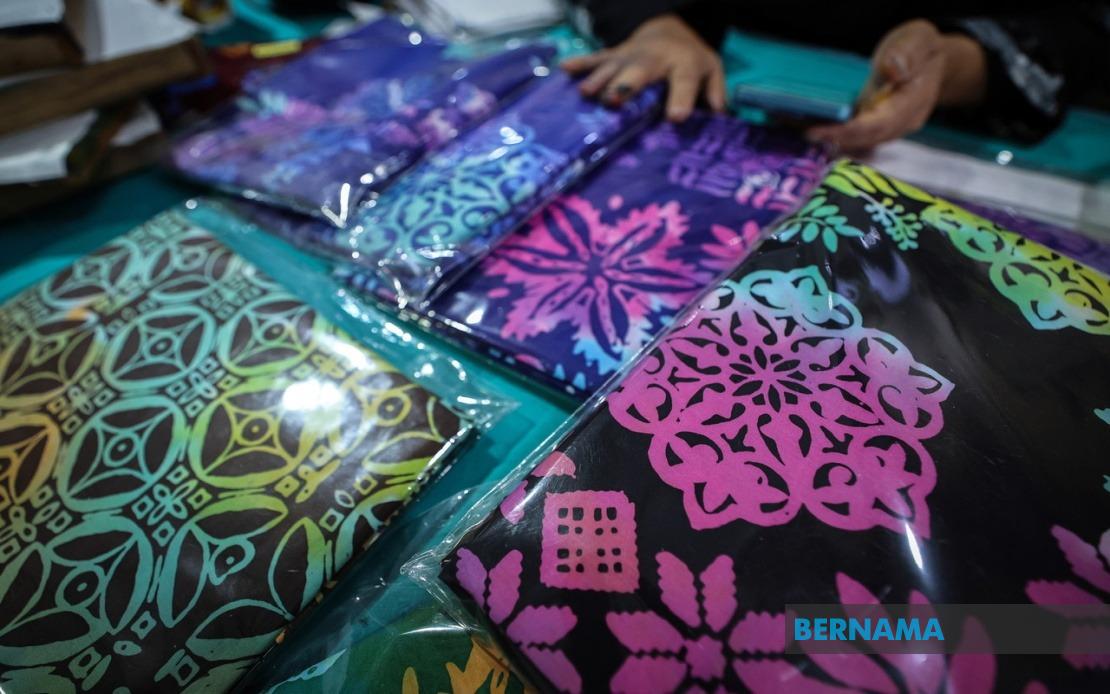
Batik production, traditionally anchored to Malaysia's East Coast states, is taking root in Johor with a distinctly regional character. Artisans across the southern state are crafting batik textiles that draw inspiration from local geography, agricultural history and cultural symbols, carving out a niche in a market long dominated by competitors in Terengganu and Kelantan. The movement signals a broadening of the craft beyond its established centers and suggests growing recognition that batik's strength lies in its capacity to reflect the unique identity of any place where it is made.
The designs emerging from Johor workshops showcase elements integral to the state's identity. Motifs inspired by black pepper and gambir—crops that shaped Johor's historical economy—feature alongside representations of mangrove ecosystems and coral reefs that characterize coastal districts. Tiger-stripe patterns referencing the region's wildlife heritage add another layer of distinction. These design choices represent more than aesthetic preference; they anchor the fabric to the land and history from which it originates, giving consumers a tangible connection to Johor's natural and cultural landscape.
At the forefront of this revival is Maimunah Yaacob, a 58-year-old pioneer who has dedicated over three decades to establishing batik as a viable and respected craft within Johor. Her journey began in 1993 when she sought training in Terengganu, learning the foundational hand-drawn canting technique from established practitioners. She subsequently completed further instruction in Kuala Lumpur over two years, absorbing advanced methods and design principles. This apprenticeship model—learning from established centers before returning to establish local practice—reflects how craft knowledge travels and takes root in new communities.
Maimunah's business genesis was modest by contemporary standards. Beginning with RM2,000 in capital and operating from her home kitchen, she faced an initial market skeptical of batik as a valuable product. Rather than conforming to existing design preferences, she pursued a differentiation strategy, developing patterns distinct from those already saturating the market. This decision proved foundational to her long-term success and influenced how subsequent Johor batik producers positioned themselves as offering something genuinely novel rather than derivative.
Geographic specificity defines Johor Batik's identity within the broader batik landscape. Districts within the state receive distinct visual representation through carefully chosen motifs. Muar and Pontian are signified through the berembang tree and pineapple imagery, anchoring the textile to agricultural and botanical markers of those regions. Kota Tinggi and Sedili, both maritime-oriented, incorporate mangrove and coral reef elements that speak to their coastal character and economic relationships with the sea. This hyper-local approach creates a design language where informed consumers can identify not merely that a fabric is Johor Batik, but which part of Johor it represents.
Maimunah operates her enterprise, Ranorm Batik Creation, from Kampung Singapura in Tanjung Sedili, maintaining commitment to traditional production methods despite marketplace pressure toward mechanized alternatives. The distinction between hand-drawn batik and machine-printed textiles remains visible upon inspection: authentic canting-drawn batik demonstrates even color penetration through both fabric surfaces, a characteristic impossible to replicate through printing processes. This quality differential provides clear justification for price premiums that hand-produced batik commands, though it requires consumer education and willingness to pay for craftsmanship.
The market for Johor Batik has demonstrated measurable growth through official and commercial channels. Participation in events including the National Craft Day celebration in Kuala Lumpur and the dedicated Johor Craft Festival has generated visibility and consumer interest. Notably, the products have attracted purchasing attention from Singapore, suggesting regional appeal beyond Johor's borders and indicating that the distinctiveness of local design elements resonates with cross-border consumers. This external validation matters significantly for small producers seeking to justify continued investment in traditional methods.
Pricing across the Johor Batik product range reflects materials, technique and design complexity. Headscarves begin at RM35, positioning them as accessible entry points for consumers exploring the category. Silk attire sets command several hundred ringgit, targeting affluent buyers willing to invest in premium handcrafted textiles. This tiered approach allows producers to serve multiple market segments simultaneously. Additionally, Maimunah reports deliberate expansion into contemporary and casual design categories specifically intended to appeal to younger consumers who might otherwise regard batik as traditional and therefore irrelevant to their lifestyles.
The generational question poses both challenge and opportunity for Johor Batik's long-term sustainability. Despite Maimunah's three decades of dedication and measurable market success, attracting younger artisans to the craft requires deliberate institutional support. Her expressed hope for expanded government programs and training courses reflects recognition that individual entrepreneurial achievement, while impressive, cannot alone sustain a craft tradition across generations. Educational infrastructure, mentorship pathways and assured market access remain necessary complements to personal initiative.
The Johor Batik movement carries implications extending beyond textile commerce. In Malaysia's broader cultural policy landscape, supporting regionally distinctive craft production strengthens state identities and resists cultural homogenization. Each state's batik tradition becomes a repository of specific environmental knowledge, historical memory and aesthetic values. For Malaysian policymakers increasingly concerned with cultural preservation alongside economic development, Johor Batik exemplifies how traditional crafts can generate income and employment while deepening connection to place. The model—distinctive local designs, authentic traditional methods, premium positioning—suggests replicable approaches for craft development in other states and regions seeking to differentiate their cultural output in competitive markets.

