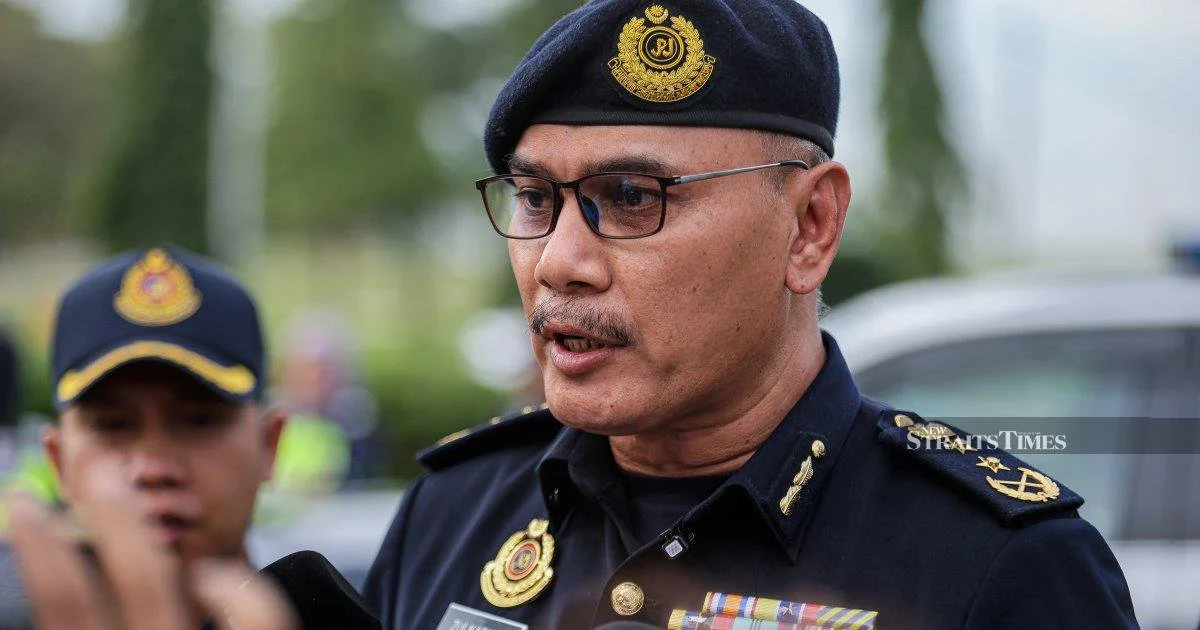
The Johor Road Transport Department has stepped up enforcement of motorcycle safety regulations by issuing investigation notices to riders who were observed operating their vehicles without proper headgear during the recent state election campaign activities. The move reflects renewed attention to traffic safety standards even as political campaigns draw crowds and activity to the streets across the state.
Motorcycle safety enforcement remains an ongoing challenge for Malaysian authorities, with helmet compliance forming a cornerstone of road injury prevention efforts. The visibility and intensity of election campaigns often bring increased vehicular movement and pedestrian activity, creating conditions where enforcement officers can easily spot violations. The RTD's decision to pursue these cases during the campaign period demonstrates a commitment to maintaining safety standards regardless of other public activities taking place.
Road traffic deaths involving motorcyclists continue to represent a significant portion of Malaysia's overall road fatality figures, with non-compliance to basic safety equipment being a contributing factor in many incidents. Helmets reduce the risk of head injury by approximately 70 percent and death by 40 percent according to international safety data, yet enforcement remains inconsistent across different states and periods. Johor's action suggests a prioritization of preventive measures that could yield measurable improvements in road safety outcomes.
The investigation notices serve as the formal beginning of enforcement action against violators, allowing the RTD to document violations and pursue appropriate penalties through established legal channels. Such notices typically require riders to respond to charges, with potential consequences ranging from fines to vehicle impoundment depending on the severity and frequency of violations. This structured approach ensures that enforcement has teeth while maintaining procedural fairness for those cited.
Election campaigns present unique enforcement opportunities because of concentrated public visibility and media attention. The presence of campaign motorcades and increased foot traffic creates natural checkpoints where traffic violations become more readily apparent to enforcement personnel. Rather than treating this period as a distraction from normal enforcement duties, the RTD appears to have recognized it as a chance to reinforce safety culture among a large cross-section of the riding public.
The timing of this enforcement action also carries a message about government priorities during electoral periods. While political messaging often dominates campaign periods, safety enforcement underscores that fundamental public welfare responsibilities continue uninterrupted. This sends a signal to voters and riders alike that regulatory compliance expectations remain constant regardless of the political calendar.
Motorcycle safety culture in Malaysia has evolved gradually over recent years, with younger riders showing greater helmet compliance than previous generations, though significant gaps remain among certain demographic groups and in rural areas. Enforcement actions coupled with public awareness campaigns have proven more effective than either approach alone in shifting behaviour patterns. The RTD's intervention during a high-visibility period like an election campaign amplifies the safety message beyond what routine enforcement could achieve.
For riders receiving investigation notices, the process requires engagement with the legal and administrative systems, potentially resulting in fines or warnings that become part of their traffic violation history. Repeat offenders face escalating penalties, and accumulation of traffic violations can affect vehicle registration status. These consequences, while not severe compared to penalties in some neighbouring jurisdictions, nevertheless create sufficient friction to encourage compliance among pragmatic riders.
The enforcement action also reflects broader regional trends toward stricter traffic safety standards. Several Southeast Asian nations have intensified helmet enforcement and motorcycle safety regulations over the past decade, recognizing that casual attitudes toward protective equipment contribute significantly to injury and mortality rates. Malaysia's incremental strengthening of enforcement aligns with these regional developments, gradually establishing higher baseline expectations for rider behaviour.
For the wider Malaysian motoring public, this Johor action represents a reminder that safety regulations are actively enforced rather than merely advisory. The visibility of enforcement during a major public event like an election campaign carries disproportionate educational weight, potentially influencing behaviour among riders who might otherwise view helmet-wearing as optional. Such periods of heightened enforcement can have lasting effects on safety culture if the message reinforces consistent underlying policies.
The success of this enforcement drive will ultimately be measured not just in the number of notices issued, but in whether riders demonstrate lasting behavioural change. If compliance rates improve measurably in Johor following this campaign period, it would validate the approach of using high-visibility political events as opportunities for intensive safety enforcement. Conversely, if violations revert to previous levels once the campaign ends, it would suggest that sustained, consistent enforcement rather than periodic crackdowns proves more effective in changing rider behaviour.
Stakeholders in road safety, including insurance companies, public health organizations, and traffic advocacy groups, will likely monitor how this enforcement action affects accident rates and injury patterns in Johor. The correlation between enforcement intensity and safety outcomes provides valuable data for informing future policy decisions across Malaysia's states.

