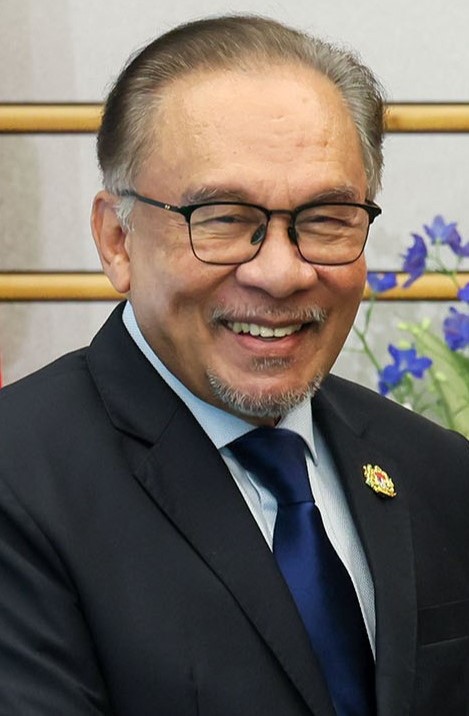
Dr Haim Hilman Abdullah, the assemblyman representing Jitra in Kedah, will make his court appearance at the Seremban magistrate's court to answer charges stemming from allegations related to statements he had previously made concerning access to higher education opportunities.
The development marks a significant moment in Malaysian political discourse, particularly around public accountability and the scrutiny placed on political leaders when making claims about education access. The Jitra assemblyman, a figure in Kedah state politics, now faces formal legal proceedings that will determine the veracity of his earlier statements regarding university admission pathways.
Higher education access has long been a contentious issue in Malaysia, with ongoing debates about merit-based selection, affirmative action policies, and equity in university admissions. When public figures make assertions about the availability or accessibility of tertiary education places, such statements carry significant weight given their influence over public perception and potentially voter sentiment. The charges against Dr Haim Hilman suggest that the claims he made may have diverged materially from established procedures or factual circumstances.
The legal action underscores the expanding expectations placed on elected representatives to ensure accuracy when discussing matters of public importance. In an era of heightened political accountability and fact-checking, statements made by assemblymen regarding accessible government services—including education—are subject to closer examination and potential legal consequences if found to be misleading or false.
Seremban magistrate's court serves as the venue for this proceeding, placing the case within the jurisdiction of Negeri Sembilan's legal system. The choice of court location may be relevant to where the alleged misstatements were made or where their effects were felt most acutely. Magistrate's courts in Malaysia handle a wide range of cases, including those involving public figures and matters of community concern.
The timing and announcement of such charges often reflect broader investigative processes undertaken by relevant authorities, whether law enforcement agencies, the education ministry, or other government bodies concerned with maintaining integrity in public statements about education access. The progression from allegation to formal charging indicates that sufficient evidence or grounds were considered present to warrant prosecution.
For Malaysian readers, particularly those in Kedah and the broader northern region, this case carries implications for how political representatives communicate about government services and policies. Education access remains a critical concern for families across the country, making any misrepresentation of university admission opportunities potentially damaging to public trust and parental planning.
The incident also reflects the judiciary's role in maintaining standards of public discourse and ensuring that elected officials remain subject to the same legal frameworks as ordinary citizens. This principle of equal accountability before the law is fundamental to Malaysia's democratic and legal systems, though its practical application to political figures continues to generate discussion and debate.
The charges relate specifically to claims Dr Haim Hilman made previously, suggesting a temporal gap between the original statements and the legal action. This delay, common in many cases involving public statements, reflects the time required for investigation, verification of facts, and proper legal procedures before formal charges can be filed.
The outcome of this case may influence how other political representatives approach statements regarding education policy and university admissions in future. Should the charges be substantiated, it would send a clear message about consequences for inaccurate public claims. Conversely, acquittal would affirm the protection afforded to political speech even when controversial or questioned by authorities.
Education access has become increasingly politicized in Malaysia, with various parties making campaign promises and policy statements regarding university places, scholarship availability, and admission criteria. The Dr Haim Hilman case demonstrates that such statements are not merely political rhetoric—they exist within a legal framework where accuracy and truthfulness can be formally tested in court.
For Southeast Asian observers, this case exemplifies how developing democracies are grappling with questions of political accountability and the boundaries between protected political speech and potentially fraudulent or misleading public statements. Malaysia's approach to these questions through its legal system offers insights into how the region balances democratic freedoms with expectations of governmental and political integrity.