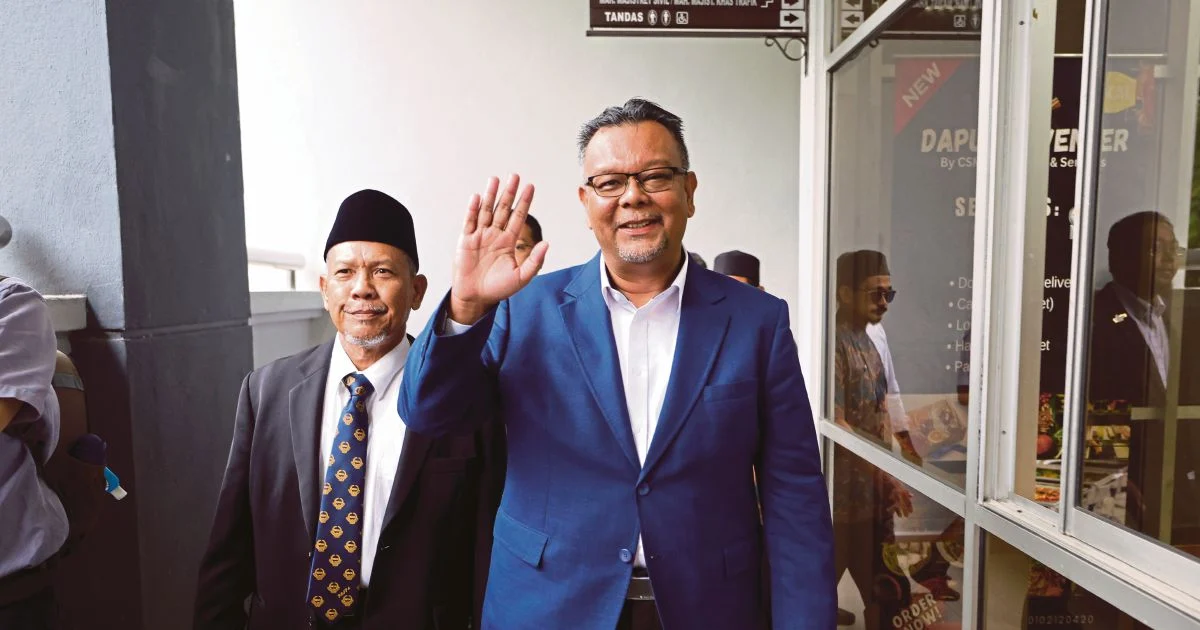
Dr Haim Hilman Abdullah, the assemblyman representing Jitra, made an appearance at the Seremban magistrate's court where he formally denied charges related to making public statements alleged to have been intended to cause alarm and concern among the population. The legal proceedings mark the latest chapter in what appears to be an ongoing scrutiny of the elected representative's public utterances, raising questions about the boundaries of political speech and parliamentary discourse in Malaysia.
The specific charges relate to statements classified under provisions designed to maintain public order and prevent the spread of content deemed inflammatory or inciting to panic. Such charges carry significant implications for public figures who operate in the political arena, where commentary on current events and social conditions forms an essential part of their role as elected officials. The distinction between legitimate political expression and statements that genuinely threaten public order remains a contentious area of Malaysian jurisprudence.
The decision to proceed with formal charges through the magistrate's court in Seremban signals that authorities determined sufficient grounds existed to pursue the matter further. However, Dr Haim Hilman's entry of a not guilty plea suggests his legal team contests the characterization of the statements in question, potentially arguing that they represented lawful political discourse rather than deliberate attempts to incite panic or alarm. This fundamental disagreement over the nature and intent of the statements will likely form the core dispute in subsequent court proceedings.
For Malaysian political observers, the case underscores ongoing tensions between protecting legitimate space for elected representatives to voice concerns and maintaining legal safeguards against speech designed to undermine public confidence or trigger unnecessary panic. Assemblypersons and parliamentarians frequently comment on governance issues, public policy failures, and matters affecting their constituents, and distinguishing between robust political critique and statements crossing into unlawful territory remains a judicial challenge. The case will potentially set precedent regarding how courts interpret the boundaries of permissible political expression.
The legal action also reflects the broader Malaysian political environment where statements by elected officials increasingly attract official attention and legal examination. In recent years, various public figures across the political spectrum have faced similar charges, suggesting either heightened sensitivity to inflammatory speech or expanded interpretation of what constitutes statements likely to cause public alarm. Understanding the specific nature of Dr Haim Hilman's statements would be crucial to assessing whether the charges represent appropriate legal enforcement or potential overreach in restricting political speech.
The Jitra assemblyman's not guilty plea indicates he intends to contest the charges rather than accept a settlement or lesser arrangement, suggesting confidence in his legal position or a desire to establish that his statements fell within the bounds of legitimate political expression. This approach commits him to what could be a prolonged legal process with attendant costs and attention, reflecting a determination to vindicate his position through the courts rather than through administrative resolution.
From a Southeast Asian perspective, the case contributes to ongoing regional discussions about the appropriate scope of legal restrictions on political speech. Different countries across the region maintain varying standards regarding what speech authorities may prohibit, and Malaysia's approach—balancing between preventing genuine public danger and protecting political expression—continues to evolve through judicial interpretation and legislative amendments. The outcome here may influence how such cases are evaluated moving forward.
The proceedings in Seremban also carry implications for Jitra constituents, who elected Dr Haim Hilman to represent their interests. The time and resources devoted to legal proceedings may affect his capacity to focus on constituent services and parliamentary responsibilities, while the case itself draws attention to matters beyond his direct control. Constituents will be monitoring both the legal process and any impact on his ability to discharge his elected duties.
As the case proceeds through the courts, the evidence regarding the specific statements and their context will become crucial to determining liability. Prosecutors will need to demonstrate that the statements were indeed calculated to cause public alarm, while the defence will argue either that no such statements were made as characterized or that, even if made, they represented legitimate political commentary rather than deliberate incitement. The magistrate's court proceedings will establish whether the case merits elevation to higher courts or if it may be resolved at this level, depending on the evidence presented and the legal arguments developed by both parties.

