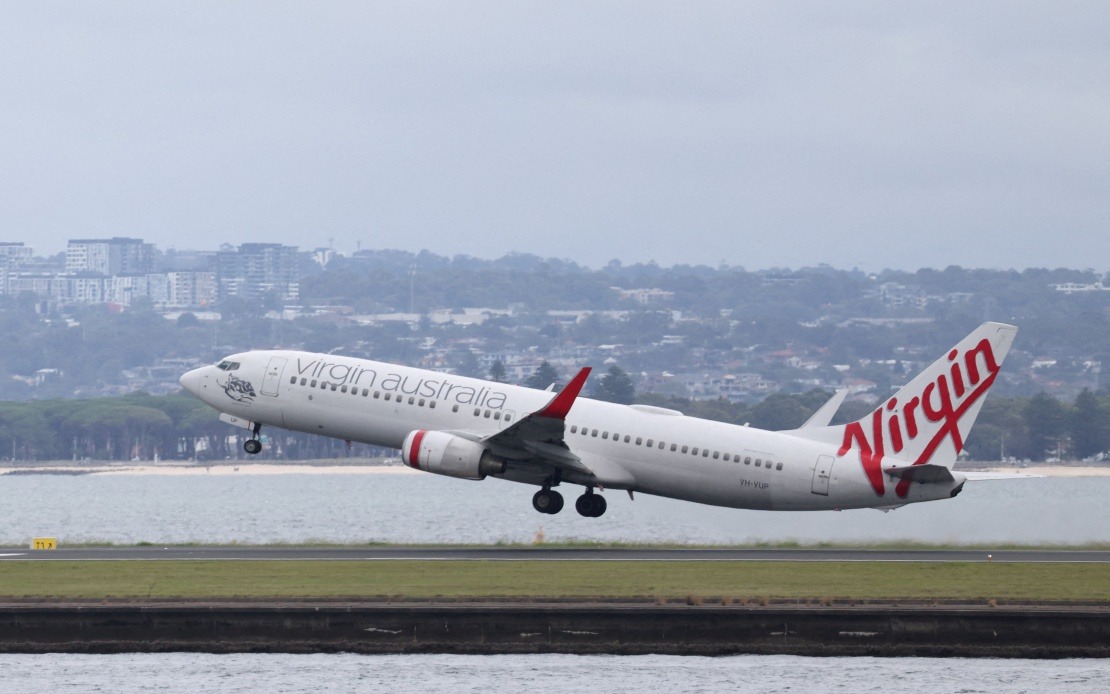
A cabin crew member was injured during a close encounter between two aircraft at Sydney Airport on Sunday morning, marking another operational challenge for Australia's busiest aviation hub. The incident unfolded at approximately 7 am local time when Jetstar flight JQ402, bound for the Gold Coast, was in the process of taxiing along the runway in preparation for takeoff. The flight's pilots were compelled to apply emergency braking after an unoccupied Qatar Airways Boeing 777 entered their flight path whilst being towed across the tarmac.
The Jetstar aircraft, operating under air traffic control instructions at the time, came dangerously close to the larger international carrier's wide-body jet. The sudden deceleration needed to avert a collision caused injury to at least one member of the cabin crew, who subsequently received immediate medical attention from paramedics stationed at the airport. Fortunately, none of the passengers aboard the Jetstar service sustained harm during the incident, though the experience would undoubtedly have been alarming for those on board.
Jetstar, which operates as a wholly-owned subsidiary of Australia's national flag carrier Qantas, initiated a comprehensive investigation into the circumstances surrounding the near-miss. In a statement released following the incident, the airline's representatives explained that their crew had been adhering to explicit guidance from air traffic control when the emergency manoeuvre became necessary. The carrier emphasised that their pilots had responded appropriately to an unexpected incursion by the towed aircraft, demonstrating the critical importance of rapid decision-making in congested airfield environments.
The timing of this occurrence is particularly significant given the operational pressures currently affecting Sydney Airport and the broader Australian aviation sector. Just one day prior, on Friday and Saturday, the airport had experienced widespread disruptions affecting more than 250 scheduled flights. These cancellations and delays stemmed directly from staff shortages at Airservices Australia, the government authority responsible for managing air traffic control operations at major Australian airports, including Sydney, Melbourne, Brisbane, and Perth.
The connection between staffing limitations and operational incidents raises serious questions about aviation safety management during periods of resource constraint. When air traffic control facilities operate with reduced personnel, the cognitive load on remaining controllers increases substantially, potentially affecting decision-making quality and timing. The proximity of the near-collision to the recent congestion caused by staff absences suggests a system operating under considerable strain, where recovery procedures and normal operations may intersect dangerously.
Airservices Australia has faced mounting criticism over its capacity to maintain adequate staffing levels at critical facilities. The recent disruptions at Sydney Airport exemplify broader systemic challenges within Australia's air traffic management infrastructure. For Malaysian readers and regional aviation stakeholders, these developments underscore the vulnerability of even well-established aviation systems to operational bottlenecks, particularly when critical support functions lack sufficient human resources.
The incident involving Jetstar and Qatar Airways serves as a stark reminder of the razor-thin margins that exist in modern aviation operations. Aircraft movements at busy international airports require seamless coordination between multiple parties: pilots, ground crews, air traffic controllers, and equipment operators. When any single element of this choreography falters, the consequences can escalate rapidly from minor inconvenience to safety emergency. The fact that injury occurred despite the prompt response by Jetstar's flight crew demonstrates how easily potentially catastrophic situations can develop in congested airfield environments.
For passengers and airlines operating through Sydney Airport, the incident highlights the interconnected nature of aviation safety and operational staffing. The Queensland-bound Jetstar flight ultimately proceeded to its destination following the near-collision, but the experience would have created anxiety among those aboard. The injured crew member's condition and extent of injuries remained undisclosed in official communications, though the need for paramedic treatment indicates at least moderate trauma from the sudden braking event.
Regional implications of such incidents extend beyond immediate safety concerns. Southeast Asian airlines and airports frequently conduct operations with Australian counterparts and adhere to similar international safety standards. Should systemic issues like those affecting Sydney Airport persist, they could influence confidence in Australian aviation infrastructure among regional carriers and passengers. The International Civil Aviation Organization maintains strict oversight of member nations' compliance with safety protocols, and sustained operational difficulties could potentially trigger formal reviews.
Looking forward, the investigation by Jetstar will focus on establishing precisely how the Qatar Airways aircraft came to be in the Jetstar flight's path and whether air traffic control procedures were correctly executed. The findings will likely inform discussions about airfield operations during periods of staffing constraints and may prompt Airservices Australia to implement additional safeguards or procedural modifications. The broader challenge remains securing adequate investment and personnel resourcing for air traffic control facilities that manage Australia's increasingly busy aviation network.

