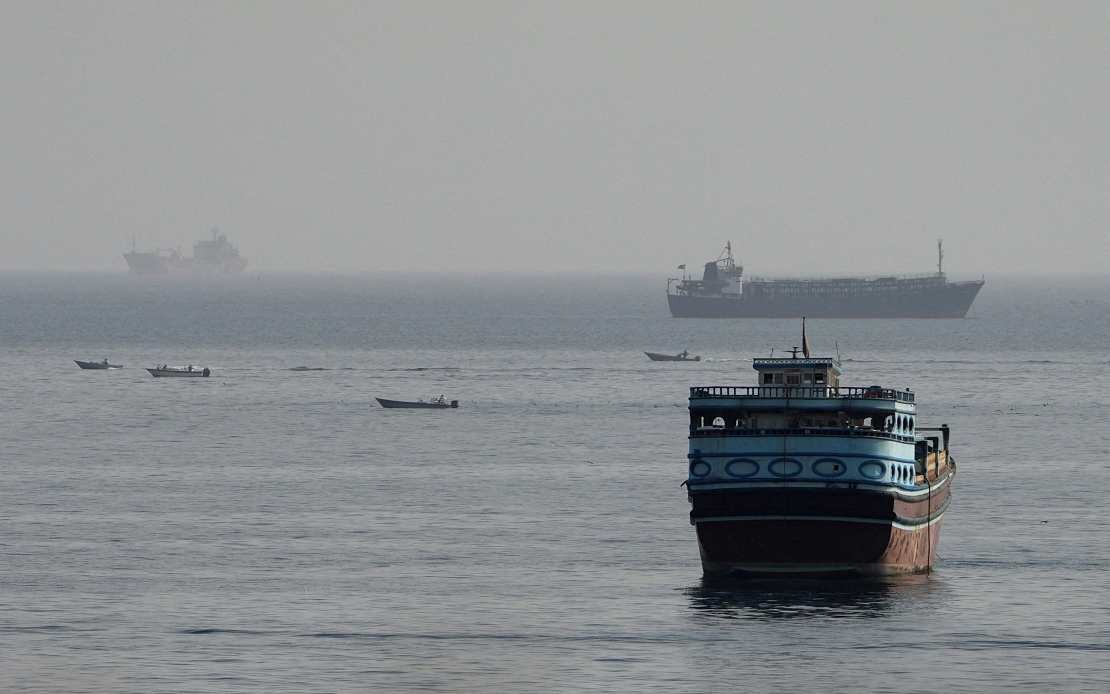
Japanese Prime Minister Sanae Takaichi has underscored the necessity of maintaining free passage through the Strait of Hormuz, delivering this message directly to Iranian President Masoud Pezeshkian during a telephone conversation held Wednesday. The discussion represents the first direct engagement between the two leaders since June and marks their fourth conversation since broader regional conflict erupted in late February. Takaichi's emphasis on toll-free transit reflects Japan's acute vulnerability to disruptions in one of the world's most strategically important chokepoints for energy supplies.
The timing of Takaichi's intervention carries particular weight given that the Strait of Hormuz remains functionally closed due to prolonged breakdown in United States-Iran diplomatic negotiations. Japan, despite maintaining close alliance ties with Washington, has cultivated pragmatic relations with Tehran over decades. This balancing act allows Tokyo to engage directly with Iranian leadership on matters affecting Japanese commercial and energy interests without being perceived as purely following American strategic directives. The call signals Japan's determination to protect its economic stakes in the region independently.
Beyond the Hormuz question, Takaichi conveyed serious apprehension regarding security developments in the Bab el-Mandeb Strait, the waterway separating Yemen from the Arabian Peninsula on the opposite flank of the Arabian Peninsula. She specifically requested that Pezeshkian use his country's influence over Houthi rebels operating in Yemen to encourage greater restraint. The Houthis, a Tehran-aligned militant faction, declared what they termed a "maritime blockade" in July explicitly targeting vessels associated with Saudi Arabia, reflecting the deepening proxy dimensions of Middle Eastern geopolitical competition.
Yemeni government sources reported Tuesday that Houthi fighters executed a significant assault on a commercial cargo vessel navigating the Bab el-Mandeb Strait. This attack underscores how the organization has translated political positioning into tangible military operations affecting international shipping. The incident occurred as maritime operators worldwide scramble to adapt to the effective shutdown of the Hormuz corridor, forcing alternative routeries for crude oil movement. The Bab el-Mandeb Strait has emerged as a provisional substitute pathway, yet its increasing vulnerability to attack creates a compounding crisis for energy security.
For Southeast Asian nations including Malaysia, these developments present multifaceted challenges. The region's economies depend substantially on stable energy imports, with much crude oil sourced from Middle Eastern suppliers. Protracted disruptions to either the Hormuz or Bab el-Mandeb straits would cascade upward into regional energy costs, inflation pressures, and production constraints across manufacturing sectors. Malaysia's petrochemical industries, power generation facilities, and transportation networks all exhibit direct exposure to Gulf oil market volatility and shipping route instability.
The Houthi operations represent asymmetric pressure against established shipping patterns. Unlike traditional state-to-state conflicts governed by international maritime law, insurgent maritime operations create unpredictable risk environments that elevate insurance premiums and operational costs for all operators, including regional traders. Vessels bound for Southeast Asian ports increasingly must factor in higher premiums, longer transit times via alternative routes, and potential cargo damage from hostile action. These dynamics particularly burden smaller trading nations lacking the negotiating leverage of major powers.
Japan's diplomatic approach reflects a strategy of maintaining functional channels with Iran despite American sanctions regimes. Tokyo has historically prioritized resource security through direct engagement rather than confrontational postures. By appealing to Pezeshkian for restraint on Hormuz transits and Houthi operations, Japan positions itself as a reasonable interlocutor capable of addressing mutual concerns. This stance contrasts with more militarized responses by other nations and demonstrates how smaller allies of the United States can exercise independent foreign policy prerogatives on economic matters.
The broader context involves fundamental questions about how international waterways should function in an era of persistent geopolitical tension. The Strait of Hormuz, through which approximately one-third of global seaborne crude oil passes, has attracted proposals for tolls or alternative control mechanisms from various actors claiming grievances against Western policy. Iran's historical position emphasized sovereignty over its territorial waters while respecting international transit conventions. Any deliberate imposition of fees on passage would represent a significant escalation that Washington and its allies have consistently warned against.
Takaichi's telephone diplomacy represents preventive engagement aimed at forestalling deterioration. By directly addressing the Hormuz transit question while it remains theoretically negotiable, Japan signals that unilateral toll implementation would damage broader relationships and economic interests. Similarly, her appeal regarding Houthi restraint leverages whatever influence Tehran exercises over these proxies. Whether Iran can or will exercise meaningful control over Houthi military operations remains contested, but Japan's communication at the presidential level underscores the stakes involved.
The conversation also reflects Japan's sustained interest in maintaining the Iran relationship despite American pressure. Unlike some Asian nations that have simply acquiesced to broader American strategic objectives in the Middle East, Japan continues cultivating parallel diplomatic channels. This independence serves Japanese interests while potentially offering subtle pressure points for negotiation, particularly if broader international circumstances shift. Malaysia and other Southeast Asian states may observe Japan's approach as a model for balancing alliance commitments with regional economic imperatives.
Looking forward, the sustainability of existing shipping arrangements depends on negotiated settlements to underlying political conflicts. Should the Hormuz situation persist without resolution, maritime operators will continue developing costlier alternative logistics networks. For energy-importing economies throughout Southeast Asia, the stakes involve not merely short-term price volatility but longer-term structural adjustments to supply chains and energy sourcing strategies. Japan's diplomatic engagement, therefore, carries implications extending far beyond Tokyo's immediate interests.

