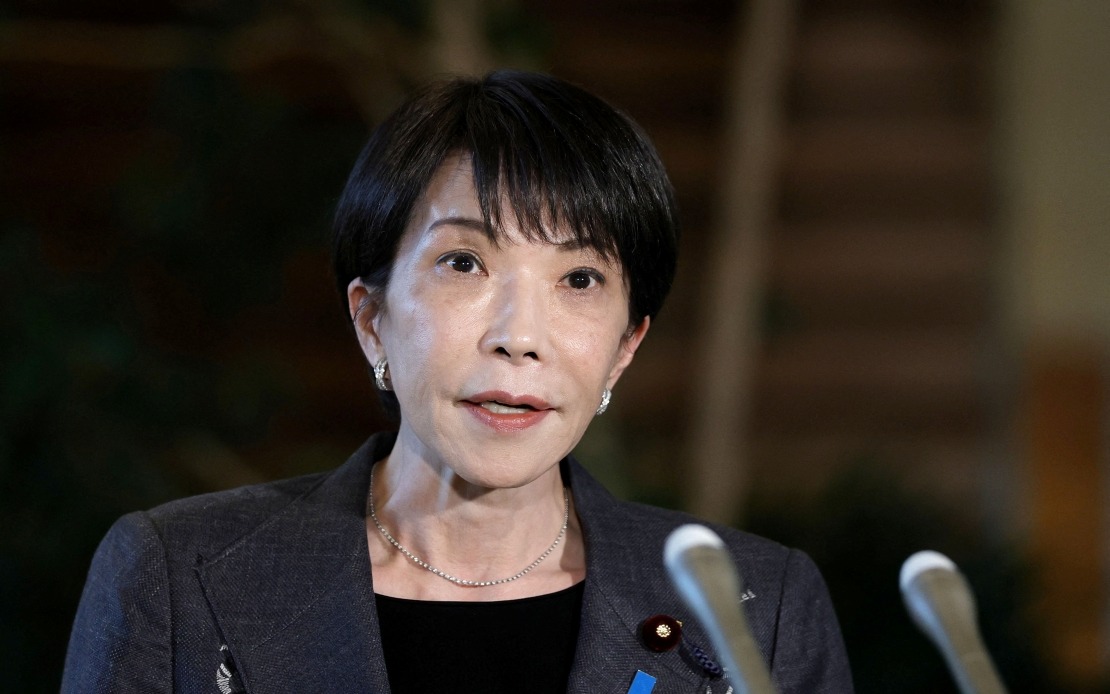
Prime Minister Sanae Takaichi has publicly committed to reversing a planned reduction in Japan's consumption tax on food products after a two-year period, pledging the rate will return to 8 per cent by 2029. The announcement, made during parliamentary questioning on Monday, marks an important clarification of government intentions as Japan grapples with implementing an electoral promise while maintaining fiscal stability in the world's most indebted developed economy.
The commitment comes as the ruling Liberal Democratic Party refines its approach to a campaign pledge made during February's general election. Rather than eliminating the consumption tax entirely on food and beverages as originally promised, the LDP now proposes reducing it to just 1 per cent for two years beginning April 2027. This adjustment reflects practical considerations around implementing zero-rate taxation, as retailers across Japan would require substantial time to reprogram their payment systems to accommodate such a dramatic change.
Takaichi's explicit statement that the tax would return to its original level addresses widespread skepticism about the reversibility of any tax reduction. Opposition lawmaker Ken Tanaka raised concerns that once lowered, consumption taxes become politically difficult to restore, as public perception would characterize any increase as a new levy rather than a policy reversal. This political reality has historically complicated tax reform across democracies, making Takaichi's advance commitment strategically important for managing public expectations.
The fiscal backdrop for this debate is increasingly urgent. Japan's government bond yields have climbed to their highest levels in decades, whilst the yen continues to weaken against major currencies. These trends underscore investor concerns about Japan's debt sustainability, particularly as the nation already carries the worst fiscal position among Group of Seven economies. Any tax reduction must be carefully structured to avoid exacerbating these concerns or signaling fiscal recklessness to international markets.
To maintain campaign momentum whilst addressing implementation challenges, the LDP has proposed a creative hybrid approach. The government would reduce the consumption tax to 1 per cent whilst simultaneously distributing annual cash handouts totalling 600 billion yen, approximately US$3.7 billion. This compensation scheme equals the expected tax revenue from the 1 per cent rate, creating an effective zero-rate outcome for consumers whilst maintaining the fiction of a non-zero tax rate on retailers' systems. The approach demonstrates how policymakers navigate the gap between political promises and economic reality.
The cross-party national council on taxation and social security, where the LDP initially presented this proposal, reflects Japan's consensus-building approach to major economic policy changes. Rather than unilateral implementation, such councils allow opposition parties, business groups, and civil society to shape proposals before parliamentary adoption. This process, whilst sometimes cumbersome, builds broader legitimacy for controversial measures and incorporates diverse perspectives on implementation.
Several political parties embraced similar tax-cutting promises during the election campaign, suggesting populist momentum around cost-of-living relief. Japan Innovation Party, the LDP's junior coalition partner, and numerous opposition groups all advocated for reduced food taxes to help households manage persistent inflation. This convergence reflects public anxiety about purchasing power, particularly for essential goods that consume disproportionate shares of household budgets for lower-income families.
The timing of implementation—April 2027—provides the government nearly three years to prepare systems changes and coordinate with retailers nationwide. This extended timeline allows point-of-sale systems to be updated methodically rather than through emergency retrofitting. Communications with major retailers, convenience store chains, and small shopkeepers will be crucial to ensuring smooth implementation that avoids confusion or consumer frustration at checkout counters.
For Malaysian and Southeast Asian observers, Japan's approach illustrates the tensions between electoral politics and fiscal prudence that confront many developed economies. Japan's debt-to-GDP ratio exceeds 260 per cent, constraining policy flexibility even when facing domestic pressures for tax relief. Similarly, emerging Asian economies managing inflationary pressures must balance consumer demands for government support against the imperative to maintain investor confidence and currency stability. Japan's experience demonstrates how even wealthy nations with deep capital markets face constraints on expansionary fiscal policy.
The broader regional context matters too. Japan's monetary and fiscal struggles influence yen exchange rates, which in turn affect pricing for Japanese imports across Asia and competitiveness of regional exporters serving Japanese markets. A fiscally destabilized Japan could trigger capital outflows affecting regional financial stability. This interdependence explains why Takaichi's careful framing of the tax policy—emphasizing its temporary nature and eventual reversal—attempts to reassure both domestic and international observers.
Looking ahead, the national council's interim report, expected later this month, will provide the detailed framework for implementation. Takaichi has signaled her desire to proceed expeditiously once this report is released, suggesting the government views timely action on tax policy as essential to maintaining political momentum and public confidence. The coming weeks will reveal whether opposition parties accept the compromise proposal or demand modifications, and whether Japan's fiscal guardians in the Ministry of Finance can accept the revenue implications of even temporary tax reduction.
The two-year sunset provision embedded in this proposal represents a potential model for other governments seeking to deliver tax relief whilst limiting long-term revenue loss. By committing in advance to restoration, Takaichi attempts to demonstrate fiscal discipline even whilst delivering electoral promises. Whether Japanese voters ultimately reward this balancing act, or perceive the eventual tax increase as broken faith, will significantly influence future Japanese politics and may offer lessons for other democracies facing similar pressures between campaign commitments and fiscal reality.