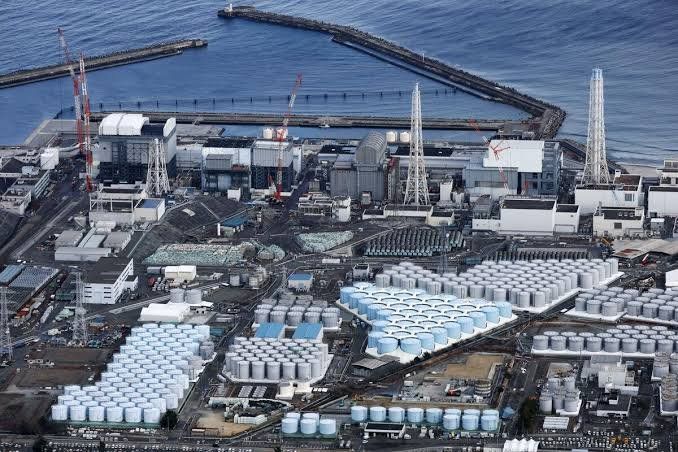
Tokyo Electric Power Company Holdings Inc. marked a significant milestone on Monday, August 24, completing three years of operations releasing treated radioactive water from the Fukushima nuclear facility into the Pacific Ocean. Since commencing discharge in August 2023, the utility has released approximately 172,700 tonnes of processed water across 22 separate operations. This ongoing programme represents one of the world's most contentious environmental management initiatives, touching on nuclear safety, trade relations, and regional diplomacy across East Asia.
The operational results demonstrate substantial progress toward managing the plant's accumulated waste. The volume of water stored in holding tanks has declined by 7.6 percent to approximately 1.24 million tonnes. More tangibly, seventeen of roughly 1,000 storage tanks have been decommissioned after being emptied, though the sheer scale of remaining infrastructure underscores the magnitude of the task ahead. TEPCO has established an ambitious timeline, targeting completion of all discharges by 2051, synchronized with the broader decommissioning of the facility itself.
The decision to pursue oceanic release emerged from practical necessity and international consultation. In April 2021, Japan's government determined that discharging treated water represented the most viable path forward, freeing up tank space necessary for constructing facilities to extract melted fuel debris from reactor cores. This decision prioritized continued remediation work over indefinite storage, a calculation that continues generating friction with fishing communities and neighbouring nations. The fundamental challenge stems from the Fukushima Daiichi plant's ongoing contamination: approximately 60 tonnes of radioactive wastewater are produced daily as cooling systems manage residual heat from melted nuclear fuel, a byproduct of the 2011 earthquake and tsunami disaster that devastated Japan's northeast coast.
The treatment methodology employed represents advanced nuclear science and regulatory diligence. Before entering the ocean, the wastewater undergoes sophisticated purification using advanced liquid processing systems, then undergoes further dilution with seawater to achieve concentrations below one-fortieth of Japanese safety standards. This multi-stage approach reduces tritium and other radioactive elements to levels far below regulatory thresholds. Each discharge batch comprises approximately 7,800 tonnes, transferred initially to measurement tanks where concentrations are verified before oceanic release occurs from a point situated one kilometre offshore. These technical safeguards provide regulatory foundation, though public perception remains shaped by historical anxieties about nuclear power and marine contamination.
International monitoring structures provide transparency and independent oversight. The International Atomic Energy Agency works collaboratively with the Japanese government and TEPCO to verify compliance and safety protocols. Significantly, comprehensive monitoring has detected no abnormal tritium concentrations in adjacent waters or local seafood, supporting official claims that environmental impacts remain within acceptable parameters. This international validation carries particular importance given regional sensitivities about nuclear operations and cross-border environmental effects.
Operational scheduling has intensified progressively, reflecting TEPCO's confidence in procedures and infrastructure stability. During fiscal year 2023, four discharge operations occurred. This doubled to seven operations each in fiscal years 2024 and 2025. TEPCO has restructured operations to enable continuous transfers between tanks designated for discharge, facilitating eight planned releases during fiscal 2026, with four already completed by August. This acceleration demonstrates commitment to expediting the full discharge programme, though it simultaneously amplifies concerns among affected fishing communities and trading partners.
The economic consequences reverberate across regional trade flows and corporate balance sheets. China, historically Japan's primary market for seafood exports, implemented a comprehensive import ban commencing the day discharge operations began in August 2023. Although Chinese authorities signalled potential partial relaxation in June 2024, excluding ten prefectures including Fukushima itself, diplomatic tensions have effectively perpetuated the embargo. These trade restrictions trace partly to technical concerns but also reflect broader geopolitical friction, particularly following Prime Minister Sanae Takaichi's November remarks suggesting Japan might intervene in hypothetical Taiwan crisis scenarios. Russia and several other nations and territories maintain their own import restrictions, fragmenting previously established export markets.
Compensation claims underscore the genuine economic hardship experienced by Japanese fisheries and seafood exporters. TEPCO has processed approximately 1,100 compensation cases totalling roughly 92.8 billion yen, equivalent to approximately US$585 million as of August 5. Many claims concentrate on export losses for high-value products including scallops and sea cucumbers destined for Chinese and Hong Kong markets, sectors where Japanese producers traditionally commanded premium positioning. This compensation mechanism represents corporate acknowledgement of damage inflicted by the discharge programme, though it cannot restore lost market share or restore damaged international commercial relationships.
The Fukushima discharge initiative exemplifies tensions inherent in managing nuclear facility legacies in densely populated, export-dependent nations. Japan's approach prioritizes environmental remediation through technological sophistication and international cooperation, demonstrating that oceanic discharge can proceed safely under rigorous monitoring. However, this technical validation confronts political resistance from trading partners wielding food import restrictions as instruments of diplomatic pressure. For Southeast Asian observers, the situation illuminates how nuclear accidents generate consequences extending far beyond immediate geographic boundaries, affecting regional trade patterns and international relations for decades following initial incidents.
Akira Ono, TEPCO's chief decommissioning officer, articulated the company's position during a press conference last month, stating that operations have proceeded safely while emphasising commitments to providing accurate public information and appropriate economic compensation. This messaging attempts reconciling technical confidence with acknowledgement of stakeholder concerns, though sustaining credibility requires maintaining operational safety records and managing international diplomatic complications arising from the discharge programme. The trajectory through 2051 will test whether technological expertise and international monitoring can ultimately overcome political resistance and restore normalcy to Japan's seafood export sector.

