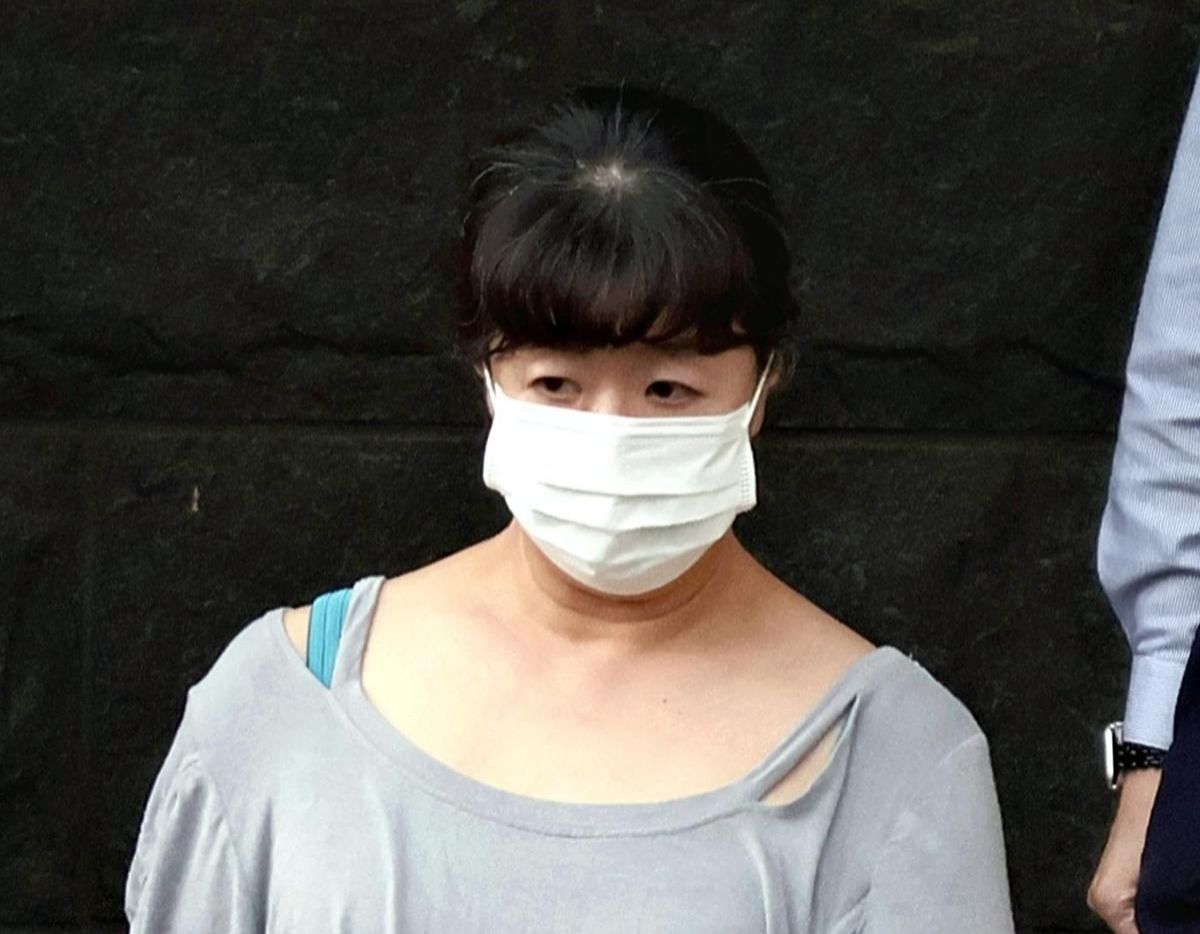
Police in Chiba Prefecture have arrested a midwife on suspicion of causing the death of a hospitalised patient through what authorities describe as a deliberate contamination of his medical IV line. Miyuki Furukawa, 51, of Kashiwa was taken into custody on Wednesday, July 15, following an investigation into the January incident at Kashiwa Tanaka Hospital that resulted in the death of a 75-year-old man from Toride, Ibaraki Prefecture.
According to police accounts, Furukawa is alleged to have introduced faeces into the extension tube of the patient's intravenous drip at approximately 3.55am on January 30. The contamination is believed to have contributed to the patient's deterioration, with his death occurring roughly 19 hours later at around 10.30pm on January 31. The charge of murder reflects authorities' determination that her actions directly caused the fatal outcome.
The case has sent shockwaves through Japan's healthcare system, raising uncomfortable questions about hospital safety protocols and staff screening procedures. Such incidents remain extraordinarily rare in Japanese medical facilities, which generally maintain stringent quality control standards and infection prevention measures. The deliberate nature of the alleged contamination distinguishes it from negligence cases, representing instead what investigators believe was an intentional act by someone with direct access to vulnerable patients.
Furukawa's position as a midwife at the hospital would have granted her routine access to patient care areas and medical equipment, a level of trust that her alleged actions appear to have fundamentally violated. The timing of the incident in the early morning hours suggests either premeditation or an opportunity seized during a period of reduced supervision on the ward. Hospital administrators and healthcare officials are likely to face scrutiny regarding how such a breach of patient safety could have occurred within their facility.
The Chiba prefectural police investigation is now focused on establishing Furukawa's motive for the alleged crime, a factor that remains unclear at this stage. Such cases of healthcare workers deliberately harming patients are exceptionally unusual in Japan, and investigators will need to examine whether there were workplace conflicts, mental health issues, or other factors that might have driven her actions. The apparent randomness of targeting a specific 75-year-old patient may provide investigators with leads regarding any prior interactions or perceived grievances.
The incident highlights broader concerns about infection control in healthcare settings. Faecal contamination poses severe infection risks, particularly to elderly or immunocompromised patients, and can rapidly lead to sepsis and organ failure. The patient's advanced age would have made him especially vulnerable to complications from such contamination. Hospital protocols typically include multiple safeguards to prevent tampering with medical equipment, yet this case suggests those measures may have gaps.
For Malaysian healthcare professionals and administrators observing this case from a regional perspective, the incident underscores the importance of comprehensive background checks, psychological evaluations, and ongoing workplace wellness programmes for all hospital staff members. While Japan's healthcare system is among the world's most advanced, this case demonstrates that no institution is entirely immune to internal threats. Hospitals across Southeast Asia, including Malaysia, may feel compelled to review their own security measures surrounding patient care areas and vulnerable patients.
The broader implications extend to hospital management practices and staff morale. Colleagues and other healthcare workers at Kashiwa Tanaka Hospital will likely undergo psychological support services, as such revelations damage trust within medical teams. Patients and their families may also harbour increased anxiety about safety protocols, requiring transparent communication from hospital authorities about preventive measures and oversight mechanisms.
Japanese law enforcement's rapid investigation and arrest demonstrate the priority authorities place on protecting vulnerable populations within healthcare settings. Murder charges in such cases carry significant weight in Japan's legal system, and the investigation by Chiba prefectural police will likely examine hospital records, surveillance footage if available, and witness statements from other staff members present during the relevant period.
As details emerge through the judicial process, the case may prompt national discussions about staff vetting procedures and the psychological fitness of healthcare workers. The investigation into Furukawa's motive and background will be particularly instructive for healthcare administrators seeking to identify warning signs that might indicate potential risks among their teams. This tragic incident serves as a stark reminder that healthcare security extends beyond infection control and equipment management to include comprehensive personnel oversight and workplace monitoring systems that can detect behavioural anomalies before they result in patient harm.

