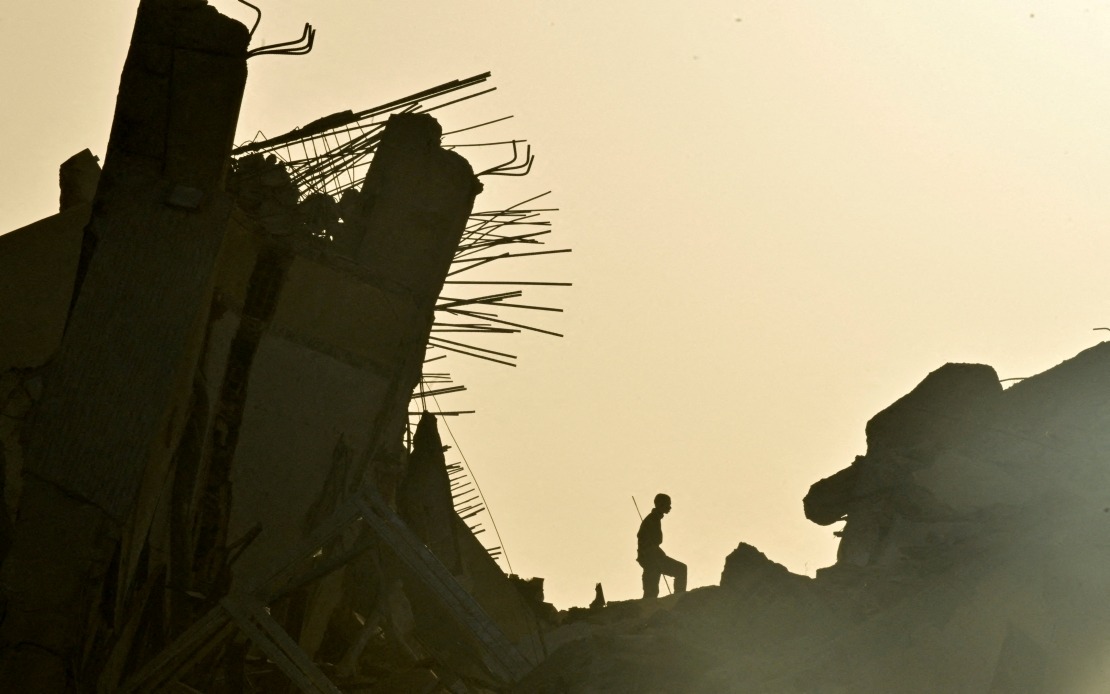
Japan has moved to significantly expand its humanitarian response to Venezuela's earthquake crisis, pledging US$3.5 million in emergency grant assistance and deploying a second disaster relief medical team. Foreign Minister Toshimitsu Motegi made the announcement on Friday, signalling Tokyo's commitment to sustaining longer-term support for the South American nation as recovery efforts extend beyond the initial emergency phase.
The financial package represents a substantial commitment from Japan, one of Asia's leading donors to international humanitarian causes. The US$3.5 million will be distributed through established international organisations rather than bilateral channels, a mechanism that allows for rapid, coordinated deployment of resources across multiple relief priorities. Motegi indicated the funds would support a comprehensive range of critical needs including food security, medical services, temporary shelter and water and sanitation systems—the foundational elements required to stabilise affected communities in the disaster's aftermath.
The June 24 earthquakes that triggered this response left an estimated toll exceeding 3,000 deaths, making it one of the region's most significant natural disasters in recent years. The scale of devastation has stretched local Venezuelan capacity to respond, elevating the importance of coordinated international assistance. Japan's phased approach to relief—beginning with emergency supplies and medical personnel, then expanding to sustained financial support—reflects lessons learned from previous disaster responses and demonstrates awareness that earthquake recovery extends across months and years, not merely days.
Motegi's announcement of the second medical team deployment underscores Japan's understanding that immediate post-earthquake mortality from collapsed structures yields to prolonged health crises driven by disease, malnutrition and trauma. A functioning medical presence in affected zones becomes increasingly critical as initial rescue operations conclude and healthcare systems struggle to manage surge demands. This commitment also reflects Japan's diplomatic positioning in Latin America, where development assistance and disaster response serve as tools for building relationships and maintaining relevance in a region where Asian engagement has historically been secondary to North American and European interests.
The Japanese government had already initiated its response sequence prior to Motegi's announcement. On June 30, within days of the earthquakes, Tokyo approved emergency relief supplies for shipment. By July 1, it had moved to dispatch its first medical relief team, demonstrating the institutional agility required for effective disaster response. The Friday announcement of additional funding and personnel represents a conscious decision to escalate commitment rather than treat the crisis as a one-time emergency requiring only minimal intervention.
Motegi emphasised Japan's intent to maintain engagement with Venezuela throughout the recovery cycle, pledging continued support as situations evolved. This language carries significance beyond mere diplomatic courtesy—it signals to Venezuelan authorities and to other international actors that Japan would remain engaged as initial emergency response gave way to medium-term reconstruction and longer-term development assistance. Such sustained commitment often determines whether affected populations receive adequate support or whether international attention and resources migrate toward other crises.
Coordination with international organisations and humanitarian partners emerged as a central theme in Motegi's remarks. Japan has historically favoured working through multilateral channels for disaster relief, a preference that reflects both practical efficiency and diplomatic considerations. International organisations bring logistical networks, local presence, and experience managing cross-border assistance in ways that bilateral government-to-government transfers sometimes cannot. This approach also allows smaller donor nations to amplify their impact through partnership with larger institutions and NGO networks already positioned in affected regions.
For Malaysia and other Southeast Asian nations monitoring global humanitarian trends, Japan's response offers perspective on how major developed democracies approach disaster assistance in strategic regions. The phased commitment, emphasis on medical needs, and coordination through multilateral channels represent a model adapted across multiple crisis contexts. As climate change intensifies earthquake and typhoon risks throughout the Indo-Pacific, understanding how established donors structure major relief operations carries practical implications for regional preparedness and response coordination.
Venezuela's humanitarian crisis extends beyond the immediate earthquake impact, encompassing broader economic and political instability that complicates relief delivery and creates vulnerabilities in affected populations. International assistance therefore arrives in a complex environment where logistical challenges intersect with governance issues. Japan's decision to channel resources through international organisations rather than direct government channels partly reflects pragmatism about navigating these complications, ensuring assistance reaches intended beneficiaries despite the difficult operating environment.
The timing of Japan's escalated commitment also reflects calendar considerations within international relief cycles. As initial emergency operations concluded and donor fatigue threatened to reduce attention, Tokyo's announcement of substantial new funding and personnel helped maintain momentum and signalled to other donors that the crisis remained worthy of sustained international investment. Such signalling effects matter considerably in disaster response, where donor decisions often follow patterns of leadership and precedent established by major contributors.
Looking forward, the success of Japan's assistance will depend partly on Venezuela's ability to coordinate receipt and distribution of aid amid ongoing institutional challenges. International experience demonstrates that providing assistance proves easier than ensuring it reaches intended beneficiaries in complex political environments. Japan's reliance on international organisations addresses this challenge by delegating logistical and accountability functions to institutions with established operational presence and evaluation mechanisms. Whether this approach generates optimal outcomes will emerge over coming months as recovery progresses and actual impacts of assistance become measurable.

