A collision involving a luxury Aston Martin outside a shopping mall in Hyderabad has resulted in the death of a young woman and sparked accusations of political interference in the investigation. Lingamaneni Sanjush, the 21-year-old son of Jana Sena Party Member of Parliament Lingamaneni Ramesh, was granted station bail after allegedly driving the vehicle that struck and killed Bharati Mukhi, a 26-year-old employee at the Lifestyle store in Inorbit Mall. The incident on August 16 has since become embroiled in political controversy, with opposition figures questioning the pace of the investigation and alleging that influential connections may have influenced police handling of the case.
The fatal accident occurred at approximately 3 p.m. when Bharati and her colleague Pooja Ashok were returning to the mall after collecting meals from a nearby restaurant. According to police accounts, Bharati was struck while crossing the road outside the Madhapur location of Inorbit Mall. Eyewitness reports and investigative findings indicate that the vehicle was travelling at high speed and was being operated in a rash and negligent manner at the time of impact. The collision inflicted severe head injuries on Bharati, and she was immediately transported to Apollo Hospital in Jubilee Hills, where she was declared dead upon arrival.
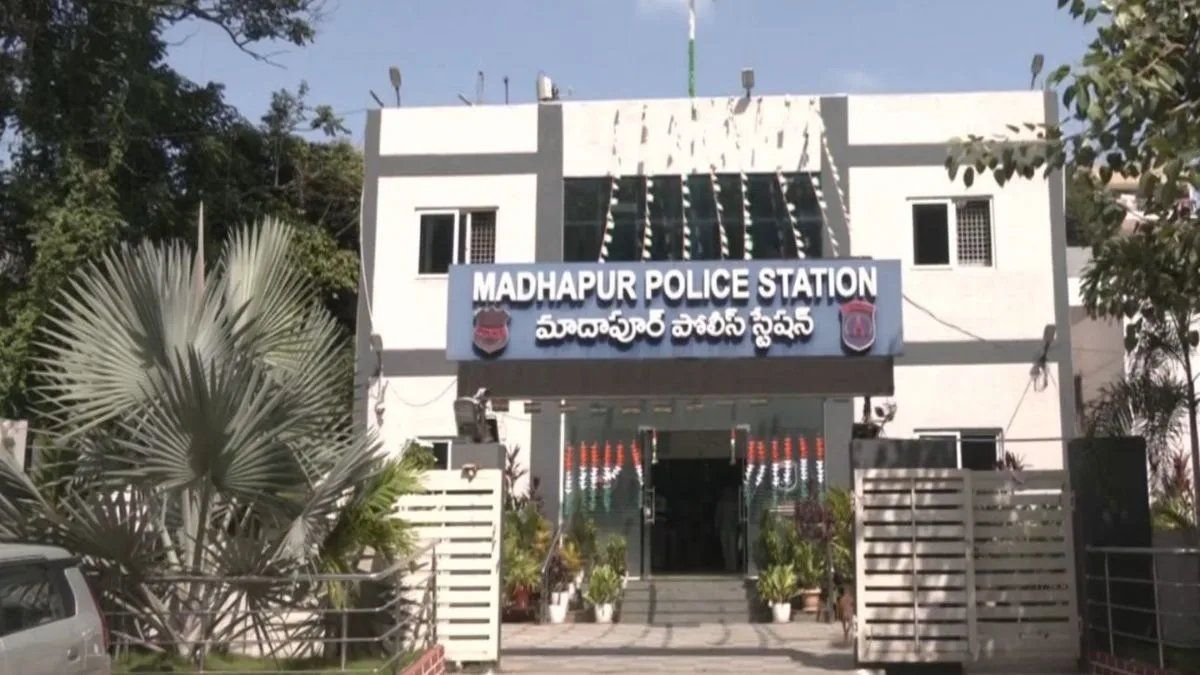
Following the incident, authorities registered a formal case at Madhapur Police Station under Section 106(1) of the Bharatiya Nyaya Sanhita, which addresses causing death by act endangering life or personal safety. During the investigation, police identified Sanjush as the alleged driver of the Aston Martin and apprehended him on the same day as the accident. The standard procedures for suspected traffic violations involving potential impairment were initiated, including breathalyser and drug screening tests. Blood samples were subsequently collected and forwarded to the Forensic Science Laboratory for comprehensive toxicological examination.
The legal procedures advanced swiftly, with Sanjush receiving a notice under Section 35(3) of the Bharatiya Nagarik Suraksha Sanhita, a provision relating to summons and notices in criminal proceedings. A Madhapur police official confirmed the issuance of this notice and the granting of station bail, which allows the accused to remain in police custody at the police station rather than being held in a detention facility pending formal charges. The police vehicle involved in the incident was seized as evidence and remains under investigative custody. Officials stated that the investigation continues with collection of post-mortem examination reports and analysis of forensic evidence.
The relatively swift release of Sanjush on bail has drawn sharp criticism from political opponents, particularly from the opposition YSRCP party. Karthik Yellapragada, the YSRCP's national spokesperson, launched an attack on the state police and alleged government authorities, contending that the matter had been deliberately suppressed from public discourse. Yellapragada pointed out that five days had elapsed since the filing of the formal report without any substantial public statements or media engagement from investigating officers, a departure he characterized as unusual for such a serious incident. He questioned why the case had not received proportionate media attention or official comment compared to similar fatal traffic accidents in the state.
The political criticism grew more pointed when Yellapragada alleged a quid pro quo arrangement between state leadership figures. He specifically invoked Chief Minister Revanth Reddy and Chandrababu Naidu, leader of the Telugu Desam Party and Chief Minister of neighbouring Andhra Pradesh, suggesting that an understanding between these political leaders might explain the perceived leniency in handling the case. While such allegations reflect the fractious nature of Hyderabad and Telangana state politics, they remain unsubstantiated by available evidence or official statements. Yellapragada demanded immediate and transparent justice in the matter and raised concerns about whether legal standards were being applied uniformly across different cases and social backgrounds.
For Malaysian readers and regional observers, this incident illuminates several dynamics that resonate across South Asia. The intersection of wealth, political connection, and criminal accountability remains contested terrain in India's justice system, even as mechanisms for formal investigation and bail procedures operate according to statutory frameworks. The swift granting of station bail, while legally permissible, has prompted questions about consistency in application across different socioeconomic and political contexts. The case also demonstrates how traffic fatalities involving prominent families can rapidly acquire political dimensions, transforming a tragic accident into a flashpoint for broader grievances about governance and impartiality.
The allegations of political cover-up, whether substantiated or not, reflect deeper anxieties within Indian opposition movements about differential treatment within the criminal justice system. The YSRCP's intervention suggests that the party views this incident as emblematic of broader governance failures or political patronage networks. Whether these concerns have merit depends on the continued transparency and thoroughness of the investigation, including the timely release of forensic results and the progression of charges. The case will likely remain under scrutiny from media outlets, civil society observers, and rival political formations as it moves through subsequent investigative and legal stages.
The death of Bharati Mukhi represents a personal tragedy for her family and colleagues, situated within broader patterns of road safety in Indian cities. Hyderabad, like many major metropolitan centres across India and Southeast Asia, has experienced significant increases in motor vehicle traffic with correspondingly elevated accident rates. Fatal collisions often disproportionately affect pedestrians and workers in lower-income employment categories, raising systemic questions about urban traffic management, enforcement of speed restrictions, and accountability for reckless driving. The involvement of a luxury vehicle and an accused driver with political connections has amplified public interest in what might otherwise receive limited attention as a routine traffic fatality among the thousands that occur annually across India.

