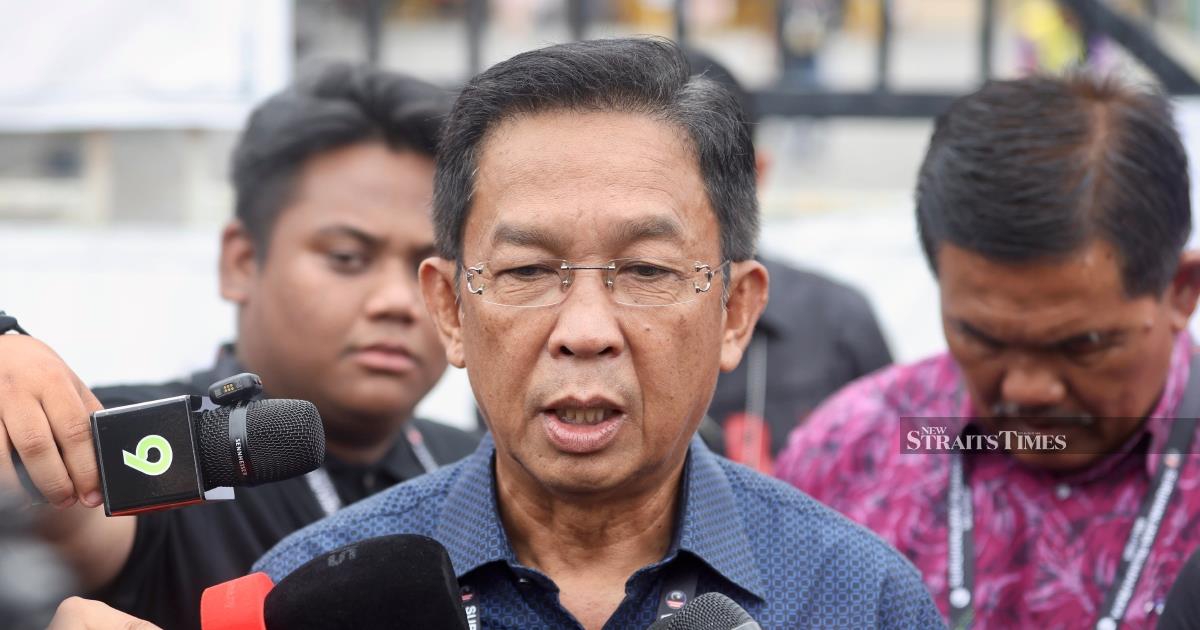
Negri Sembilan's Umno leadership has moved to clarify why the state chapter's top official failed to attend a significant ceremonial occasion at the palace. Datuk Seri Jalaluddin Alias, who chairs the Negri Sembilan Umno Liaison Committee, provided an explanation for his absence from the menteri besar swearing-in at Istana Besar Seri Menanti, emphasizing that the short timeframe between announcement and the actual ceremony left him unable to make necessary arrangements.
The swearing-in ceremony, held at the state's principal royal residence, marks a pivotal moment in Negri Sembilan's political calendar. Such occasions typically attract significant attendance from party leadership, government officials, and state dignitaries, making the absence of a key figure particularly notable. Umno's organizational structure places considerable weight on the Liaison Committee chairman, who normally serves as a coordinating figure between the central party apparatus and state operations.
Jalaluddin's statement underscores the operational challenges that can arise when ceremonial schedules are finalized with limited preparation time. In Malaysia's political landscape, the swearing-in of a menteri besar—particularly one following significant political transitions or coalition changes—often carries symbolic importance extending beyond formalities. For Umno representatives, participation typically signals party solidarity and commitment to the incoming administration.
The timing issue raised by Jalaluddin reflects broader questions about communication protocols within Negri Sembilan's political establishment. The abbreviated notice period raises inquiries about how state leadership coordinates major events and whether standard advance notification procedures were followed. In contemporary Malaysian politics, where coalition dynamics and leadership transitions have grown increasingly fluid, streamlined communication between palace authorities, government apparatus, and party structures remains essential for smooth governance.
Negri Sembilan's political environment has witnessed considerable turbulence in recent years, with shifts in federal-state dynamics and evolving coalition arrangements affecting the state's administrative trajectory. As a significant peninsular state with seven districts and a tradition of strong royal institution involvement in governance, Negri Sembilan maintains particular protocols around major political ceremonies. The role of the menteri besar remains centrally important to state administration and development planning.
Umno's formal structures in the states have evolved significantly, with liaison committees functioning as key coordination mechanisms between party headquarters in Kuala Lumpur and state chapters. These committees typically oversee party machinery, strategic alignment with federal policies, and liaison with state governments. The Liaison Committee chairman's presence at major state events is conventionally expected, making such absences worthy of explanation to party members and observers.
Jalaluddin's clarification appears designed to head off speculation about potential tensions within Negri Sembilan Umno or between the party and the state government. In Malaysia's political ecosystem, where every movement of senior figures carries potential interpretive weight, proactive communication about absences serves important reassurance functions. The distinction between deliberate non-attendance and logistical constraints carries considerable importance in party dynamics and public perception.
The incident also highlights the ongoing reality that Malaysian state politics operates with distinct rhythms and protocols from federal politics. While national political developments dominate headlines, state-level ceremonies and leadership transitions continue shaping local governance. For voters and political observers in Negri Sembilan, understanding such procedural matters provides insight into how state leadership manages coordination and demonstrates responsiveness to institutional expectations.
Moving forward, the explanation may prompt discussions within Umno's organizational structure about standardizing notice periods for major ceremonies and ensuring robust communication channels between relevant stakeholders. Whether this represents an isolated instance or reflects broader coordination challenges within state party machinery remains to be seen. For now, Jalaluddin's clarification appears to position the absence as circumstantial rather than reflective of deeper organizational dysfunction or political disagreement, allowing all parties to move past the matter without prolonged controversy.

