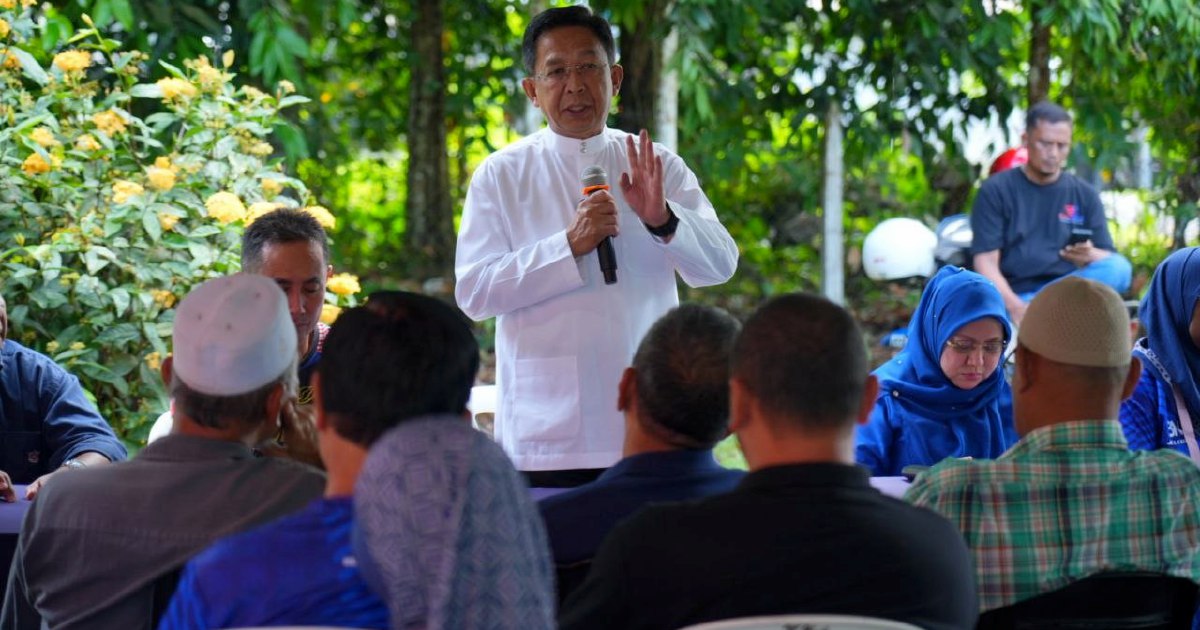
Perikatan Nasional has begun mapping potential leadership candidates for Negri Sembilan ahead of the state election scheduled for August 1, with Datuk Seri Jalaluddin Alias, the incumbent Umno chairman for the state, emerging as a prominent contender for the menteri besar position should the PN-Barisan Nasional alliance secure victory at the ballot box.
The identification of Jalaluddin Alias signals PN's confidence in leveraging established Umno figures within its broader coalition framework. As state Umno chairman, Jalaluddin brings institutional knowledge of party machinery and existing networks across the state, making him a strategically viable option for leadership. His nomination would represent continuity with Umno's traditional role in Negri Sembilan's political landscape, particularly important given the state's historical reliance on Malay-Muslim majority support.
The joint understanding between Perikatan Nasional and Barisan Nasional in Negri Sembilan represents a crucial realignment ahead of polls. This partnership consolidates the two major coalitions' competing factions—Umno, PAS, and Bersatu under PN's umbrella alongside BN's broader membership—into a unified force against the incumbent Pakatan Harapan government. The move mirrors similar political configurations seen in recent Malaysian state contests, where cross-coalition cooperation has become instrumental in determining electoral outcomes.
For Malaysian voters tracking coalition dynamics, this arrangement holds particular significance. Negri Sembilan has historically proven pivotal in determining which coalition controls the state assembly, making the MB position a consequential prize. The choice of candidate reflects deeper calculations about which leader can consolidate support across both PN and BN component parties while maintaining appeal among the state's diverse constituencies.
Jalaluddin Alias's prominence within Negri Sembilan's Umno hierarchy suggests he enjoys backing from party grassroots and senior leadership alike. His elevation to MB consideration underscores how traditional party structures remain central to candidacy decisions even within newer, more fluid coalition arrangements. This reflects a broader pattern where established figures with proven organizational credentials tend to emerge as coalition frontrunners during high-stakes electoral contests.
The August 1 election represents a critical juncture for state governance, with implications extending beyond Negri Sembilan's boundaries. A PN-BN victory would reshape Negri Sembilan's political composition and potentially provide momentum for similar coalition strategies in upcoming contests elsewhere. Conversely, if Pakatan Harapan retains power, it would signal voter preference for the incumbent administration's policies and governance approach.
Meanwhile, the mention of other potential MB candidates alongside Jalaluddin indicates PN and BN are maintaining flexibility in their final selection process. This prudent approach allows both coalitions to adjust their choice closer to polling day, potentially responding to campaign dynamics or emerging public sentiment. Internal party negotiations may yet shift the balance, particularly if post-campaign analysis suggests alternative candidates could deliver stronger electoral performance.
Negri Sembilan's economic composition and demographic profile make the MB position particularly demanding. The state encompasses industrial zones, agricultural regions, and growing urban centers, requiring leadership capable of addressing diverse development priorities. The successful candidate must balance resource allocation between competing interests while maintaining social cohesion across religious and ethnic lines.
The timing of publicly identifying potential candidates typically reflects campaign strategy, with coalitions building narrative around stability and competent succession. By introducing Jalaluddin Alias and other contenders now, PN and BN seek to project organizational readiness and clear governance vision to voters. This contrasts with keeping leadership choices ambiguous, which some strategists argue risks appearing unprepared or internally divided.
For Jalaluddin Alias personally, the nomination signals recognition within PN circles and potential advancement beyond his current state-level position. Should the coalition prevail and he receive the MB appointment, he would inherit responsibility for state development policies, local administration, and inter-governmental coordination with federal authorities. The role demands executive experience, political acumen, and capacity to navigate relationships with potentially competing power centers within both PN and BN.
Regional observers should note that Negri Sembilan's election results often foreshadow broader peninsular trends, given the state's demographic representativeness and electoral competitiveness. The choice of MB candidate carries symbolic weight beyond immediate governance implications, potentially influencing how voters assess each coalition's overall leadership quality and organizational maturity.
As the August 1 election approaches, the PN-BN coalition's efforts to present viable, credible leadership alternatives will likely intensify. Whether Jalaluddin Alias ultimately receives the MB nomination may depend on multiple factors including campaign performance, inter-party negotiations, and final strategic calculations by senior coalition leaders seeking to maximize electoral appeal across Negri Sembilan's constituent communities.

