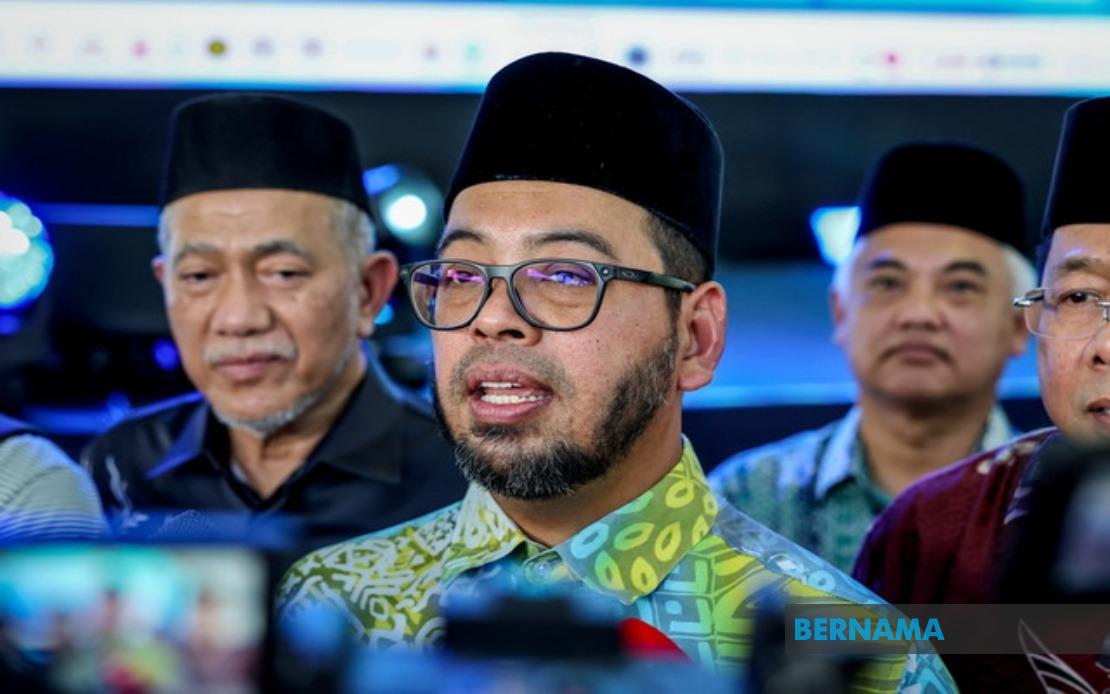
The Department of Islamic Development Malaysia has initiated a nationwide standardisation of funeral management protocols, driven partly by a recent incident that sparked significant public attention. Religious Affairs Minister Dr Zulkifli Hasan announced the move while addressing attendees at an event in Bukit Mertajam, emphasising that the new framework will operate as a comprehensive reference guide for Islamic funeral practices across the country.
The push towards unified guidelines reflects a longstanding complexity in Malaysia's Islamic administration, where religious matters fall under state jurisdiction yet require national coordination. While several states have already established their own funeral management protocols, JAKIM recognises that variations in approach and potential gaps have created confusion among the public and funeral service providers. The new framework is designed to address this fragmentation without overriding existing state enactments and legal structures, acknowledging the constitutional autonomy that state religious authorities maintain.
Dr Zulkifli indicated that the development process is well advanced, with foundational guidelines already in place requiring refinement rather than wholesale creation. He projected that finalisation would occur swiftly, noting that the existing groundwork would accelerate the timeline considerably. The minister stressed that any new standards must harmonise with state-specific laws and religious council requirements, ensuring that the national framework enhances rather than complicates local implementation.
The initiative emerged following a controversy involving funeral management in Selangor that gained traction on social media platforms. The incident centred on allegations of burial delays at Ukay Perdana Muslim Cemetery in Hulu Kelang, involving the Masjid Nurul Hidayah in Kampung Pandan Dalam and the funeral management organisation Badan Kebajikan Salatulrahim. Rather than centralising the response, the Selangor Islamic Religious Council directed all stakeholders—including the mosque management, the welfare organisation, next of kin, and the Selangor Islamic Religious Department—into immediate dialogue to develop solutions.
Chairman Datuk Salehuddin Saidin emphasised that the collaborative approach sought not merely to resolve the immediate dispute but to identify systemic improvements that would prevent recurrence. This orientation towards long-term procedural enhancement rather than blame assignment reflects broader efforts to maintain communal harmony around sensitive religious matters. The council's intervention demonstrated how state-level authorities can respond decisively while maintaining the inclusive consultation that funeral arrangements demand.
Dr Zulkifli's public appeal for calm and unity carries particular weight given the emotional dimensions of funeral controversies. Incidents affecting burial practices touch deeply held religious convictions and family grievances, making them prone to rapid polarisation. The minister's emphasis on collaborative problem-solving rather than confrontational approaches suggests official recognition that technical improvements must be paired with sustained dialogue among all relevant parties, from religious scholars to funeral professionals to affected families.
The standardisation effort has implications extending beyond procedural efficiency. Malaysia's plural society includes diverse funeral practices across different Muslim communities and traditions, and any national guidelines must accommodate legitimate theological and cultural variations. The framework being developed must therefore balance uniformity of basic standards—ensuring dignity, compliance with Islamic principles, and timely procedures—with flexibility for communal preferences and regional practices. This calibration represents a substantial undertaking requiring input from Islamic scholars, state religious authorities, cemetery operators, and funeral services.
For Malaysian families and funeral service providers, standardised guidelines promise clearer expectations and reduced friction during emotionally taxing periods. Ambiguity about required procedures, timeline expectations, and coordination between mosque authorities, burial grounds, and welfare organisations can exacerbate family distress. A transparent national framework would allow families to understand processes beforehand and enable funeral professionals to operate within clearly defined parameters, potentially reducing disputes arising from misaligned expectations.
The timing of this initiative reflects broader patterns in Malaysian governance around religious affairs administration. As urbanisation and social diversification accelerate, traditional funeral practices increasingly intersect with modern cemetery management, diverse family structures, and multi-stakeholder coordination requirements. Funeral management cannot rely solely on inherited communal knowledge; it requires explicit procedural frameworks that accommodate contemporary circumstances while preserving religious principles and community values. The viral incident that prompted this effort likely represents accumulated frustration with unclear procedures rather than a isolated anomaly.
Regional considerations also emerge from this development. Southeast Asian Muslim-majority nations including Indonesia, Malaysia, and Brunei similarly balance centralised religious authority with federal or state-based administration. Malaysia's approach of developing national guidelines that respect state autonomy may offer a model relevant to neighbouring jurisdictions grappling with similar coordination challenges. As religious administration increasingly operates within complex modern systems, practical solutions from one jurisdiction inform approaches elsewhere in the region.
The success of JAKIM's standardisation effort depends substantially on implementation and sustained engagement rather than guideline publication alone. State religious councils, mosque authorities, cemetery operators, and funeral service organisations must align their practices with new standards, requiring training, communication, and periodic review. The collaborative approach demonstrated in the Selangor response suggests that JAKIM recognises implementation demands partnership rather than top-down imposition. Ongoing consultation with state authorities will be essential to ensure that national guidelines enhance rather than disrupt existing successful local practices.

